
Freightliner Conventional Daycab Trucks For Sale in California
Shop Freightliner conventional daycab trucks in California. Compare Cascadia specs, DD13 power, wheelbases, axle setups, and transmission options.
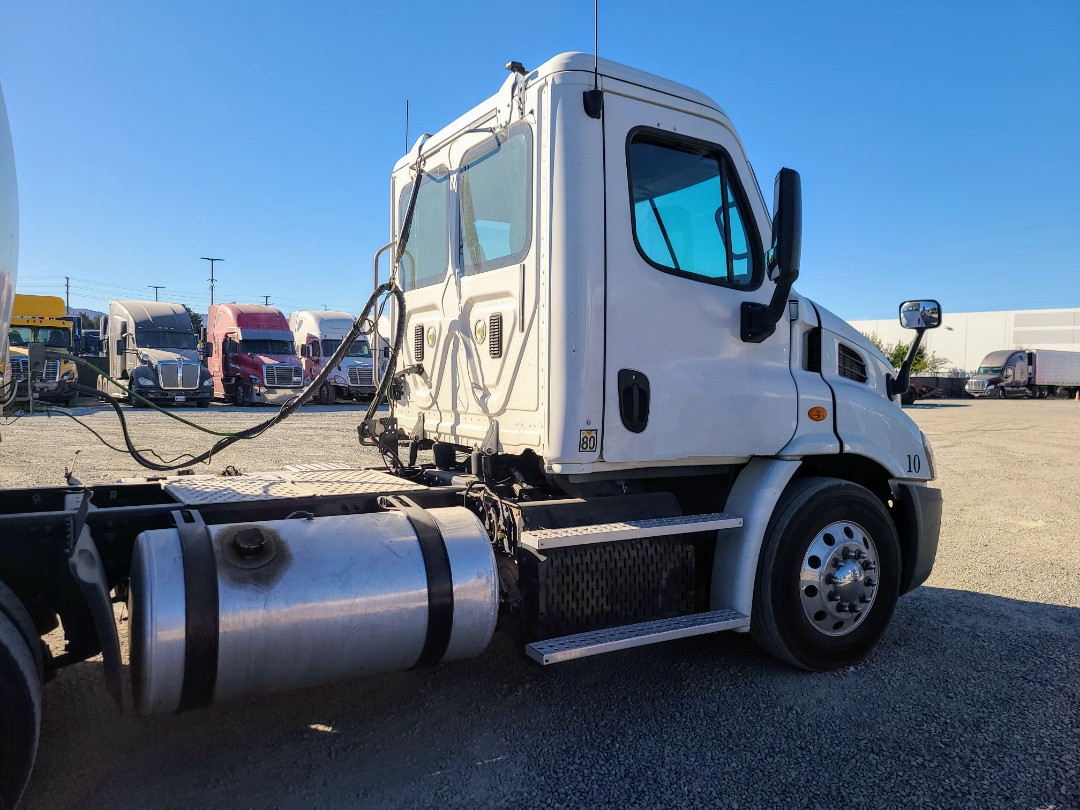

Have freightliner conventional daycab truck to sell? List it here to reach thousands of buyers.
Freightliner Conventional Daycab Trucks in California
A lot of the buying decision comes down to drivetrain and axle spec. Many Freightliner daycabs in California are equipped with Detroit DD13 engines in the 410 to 450 horsepower range, often paired with DT12 automated manuals or Eaton Fuller 10-speed manuals. A 6x4 tandem axle setup is common for heavier regional freight, while single axle versions can make sense for lighter payloads and lower operating cost. Pay attention to rear axle ratings, suspension type, and gearing. A 2.50 ratio may be aimed at fuel-efficient highway work, while a 3.25 ratio is better suited to heavier starts and more demanding stop-and-go service. Wheelbase also matters more than many buyers expect. A 166-inch to 178-inch wheelbase can change turning radius, bridge law flexibility, and trailer gap depending on the fifth wheel position.
Freightliner Cascadia daycabs are also known for spec flexibility in cab and chassis features. Common items include air ride suspension, air ride cab, aluminum wheels, dual fuel tanks, engine brakes, telescoping wheel, power windows, and sliding fifth wheels. Newer trucks may include collision mitigation and disc brakes, which can be valuable in high-density traffic and regional highway use. For California buyers, it is smart to confirm emissions equipment condition, engine software status, and any history involving the CPC, aftertreatment, or idle management systems. On used units, service records matter. Look closely at DPF and DEF system history, transmission calibration, front axle and rear suspension wear, and the condition of the interior if the truck has seen multiple drivers.
The best Freightliner conventional daycab is the one matched to the lane and trailer type, not just the lowest price point. A port and warehouse operation may prioritize a shorter wheelbase, automatic transmission, and easy cab access. A heavier regional application may need a tandem axle, higher rear axle capacity, and a stronger ratio for repeated loaded starts. Buyers comparing Freightliner daycabs should focus on engine hours, maintenance consistency, brake and tire spec, fuel capacity, and how the fifth wheel setting matches their trailer mix. When the spec is right, a Freightliner daycab can be a cost-effective fleet truck with strong driver acceptance and predictable operating economics.
Frequently Asked Questions about Freightliner Conventional Daycab Trucks in California
What engine and transmission combinations are common in Freightliner conventional daycab trucks?
Many Freightliner daycabs, especially Cascadia models, are equipped with Detroit DD13 engines rated around 410 to 450 horsepower. Common transmission choices include the Detroit DT12 automated manual and Eaton Fuller manual transmissions such as 10-speeds. The DT12 is popular in fleet service because it can improve consistency and reduce driver fatigue in heavy traffic, while a manual transmission may still appeal to buyers who want simpler mechanical familiarity or already run manual-equipped trucks in the fleet.
Is a single axle or tandem axle Freightliner daycab better for California operations?
It depends on payload, trailer type, and route profile. A single axle daycab can reduce tare weight, tire expense, and fuel use, which makes it attractive for lighter regional freight or dedicated lanes. A tandem axle 6x4 truck is the better choice for heavier gross weights, more demanding traction conditions, and applications that require stronger rear axle capacity. Buyers should match the axle setup to the heaviest routine load rather than the occasional light load, because under-speccing usually costs more in uptime and resale.
What should I inspect on a used Freightliner Cascadia daycab?
Start with the emissions system, engine fault history, and transmission operation. On Freightliner trucks with Detroit power, buyers should review DPF cleaning records, DEF system repairs, CPC history, software updates, and any active or stored fault codes. Also inspect suspension wear, kingpins, steering play, brake condition, wheel seals, and fifth wheel operation. Cab condition can tell you a lot about how the truck was treated, especially on fleet units that may have rotated between drivers.
Why does wheelbase matter on a conventional daycab?
Wheelbase affects turning radius, trailer swing clearance, bridge compliance, and how the truck handles with different trailer lengths. A shorter wheelbase is usually easier to maneuver in ports, yards, and city traffic. A longer wheelbase can improve ride quality and allow more flexibility with fuel tank sizing and component placement. Buyers should consider the fifth wheel location and kingpin setting of the trailers they pull most often, because wheelbase only works well when it matches the trailer geometry.
Are Freightliner daycabs a good choice for local and regional fleet work?
Yes. Freightliner conventional daycab trucks are widely used for local and regional service because they offer a good balance of fuel efficiency, service support, driver comfort, and spec variety. The Cascadia platform is especially common in fleet use, which helps with parts availability, technician familiarity, and resale. For buyers focused on uptime, the main advantage is that these trucks are common enough that maintenance practices, replacement parts, and diagnostic procedures are already well established across much of the market.