
Trucks For Sale Near Clayton, North Carolina
Browse trucks for sale in Clayton, North Carolina, including pickups, municipal units, tank trucks, refuse trucks, and commercial work trucks.
Learn more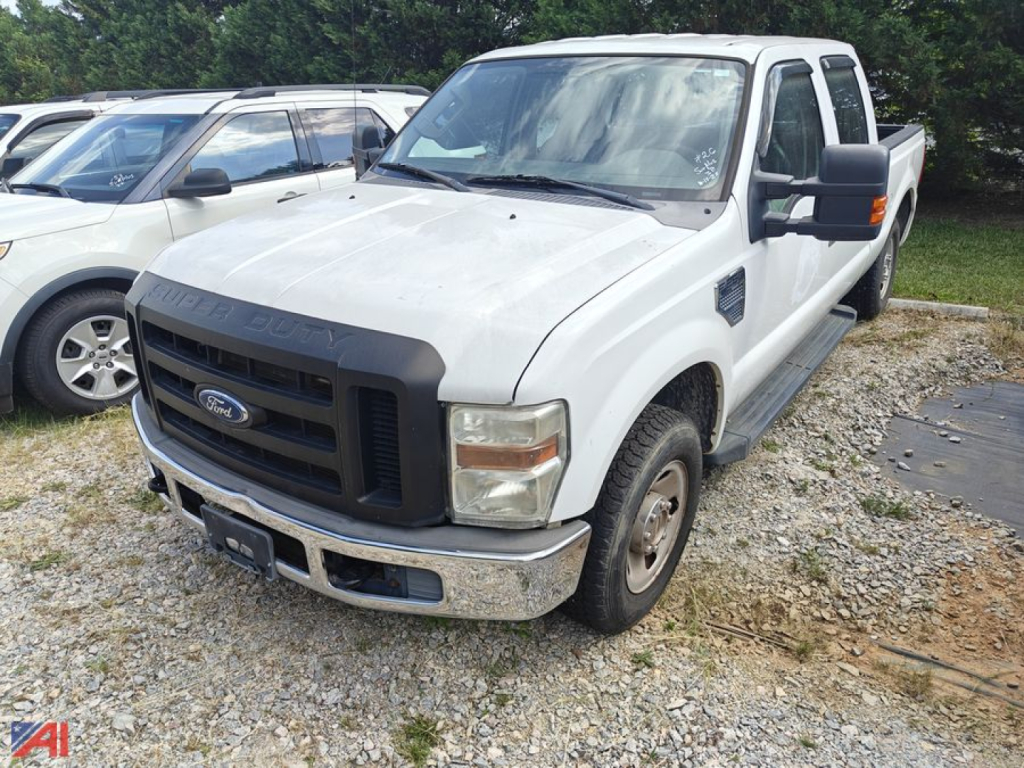

Have truck to sell? List it here to reach thousands of buyers.
About Trucks Near Clayton, North Carolina
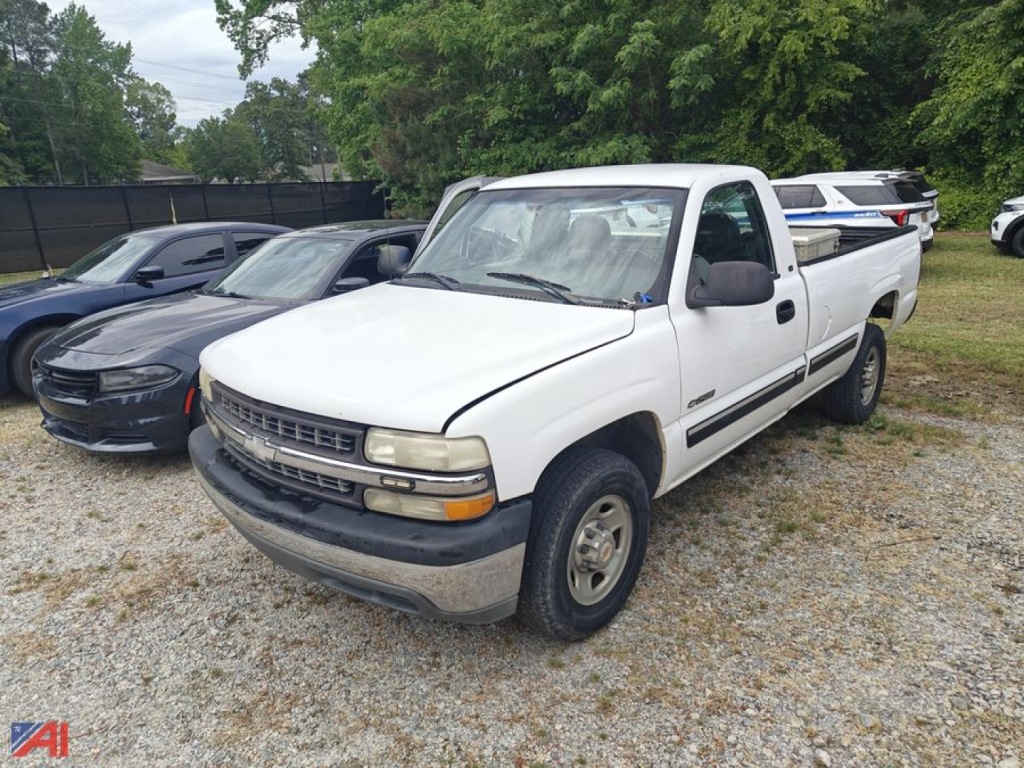
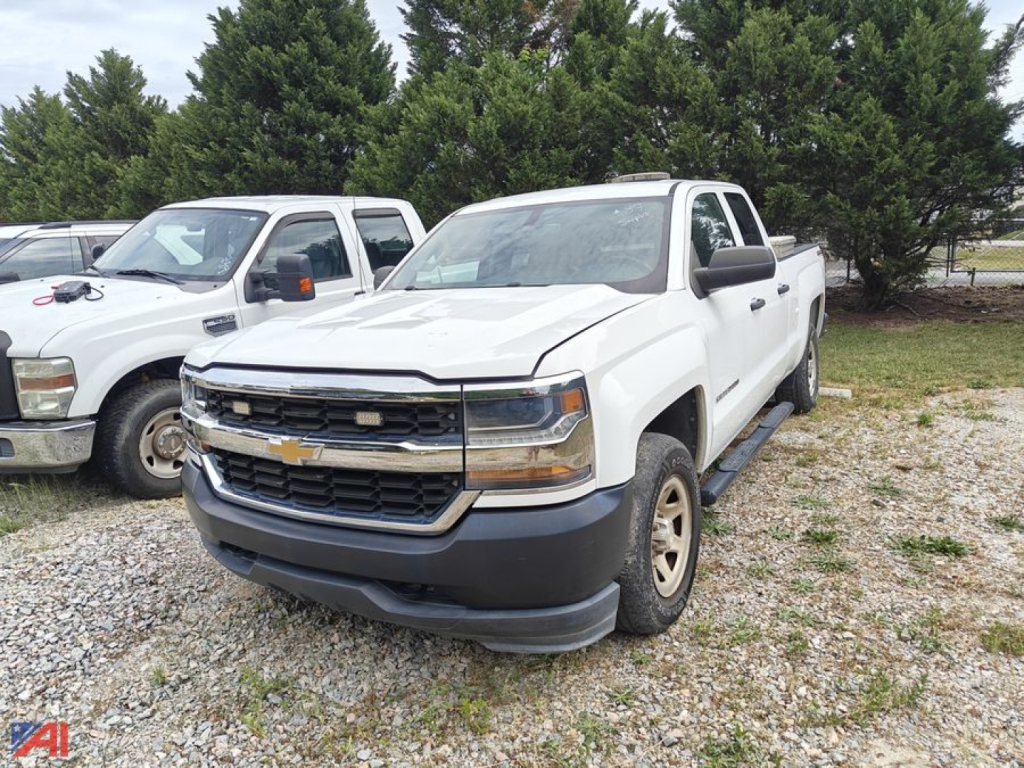
For pickup trucks, buyers usually compare 2WD versus 4WD, gas versus diesel, cab style, bed length, and towing capacity. Models in the 1500, 2500, and F-250 class are common choices for contractors, public works departments, farms, and utility crews. A half-ton truck generally favors lighter payloads and daily driving comfort, while a three-quarter-ton truck is better suited for heavier trailers, bed-mounted equipment, and sustained jobsite use. Crew cab pickups add passenger room, but wheelbase and turning radius matter if the truck will spend time in tight lots or neighborhoods.
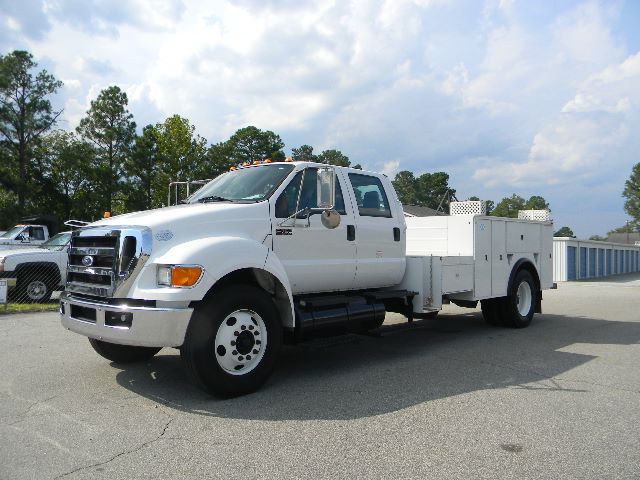
On heavier commercial trucks, the priority shifts to application-specific equipment and service history. Tank trucks and street flush trucks need close attention on tank condition, pump output, PTO operation, plumbing, nozzle controls, and corrosion around wet systems. Garbage trucks, also known as refuse trucks, are judged heavily on packer condition, hydraulic performance, body integrity, hopper wear, and the health of the engine and aftertreatment system under severe-duty cycles. Key chassis specs include GVWR, front and rear axle ratings, suspension type, transmission model, rear ratio, and cab configuration such as conventional or cabover. In municipal and utility applications, a detailed maintenance record can be just as important as miles.
For buyers comparing trucks for sale in Clayton, NC, local use patterns matter. Municipal and fleet units in the region often accumulate engine hours, idle time, and stop-start wear that may not show up in mileage alone. Check for rust in body mounts, cab corners, frame areas, and underbody components, especially on trucks that carried water, waste, or road-use equipment. Verify PTO engagement, hydraulic response, warning lights, emissions system status, brake condition, and tire date codes before making a final decision. A well-matched truck should fit the route, payload, terrain, and maintenance budget, not just the purchase price.
Frequently Asked Questions
What should I look at first when buying a used truck in this category?
Start with the truck’s intended job and confirm the core chassis specs support it. GVWR, axle ratings, wheelbase, engine, transmission, drivetrain, and body or equipment type should all match the payload, towing, and duty cycle you expect. On used trucks, service records, engine hours, PTO function, hydraulic performance, and visible frame or body corrosion often tell you more than appearance alone.
How do pickup trucks differ from heavier vocational trucks?
Pickup trucks are designed for lighter payloads, towing, crew transport, and general work use, with common configurations including 2WD, 4WD, regular cab, extended cab, and crew cab. Vocational trucks such as tank trucks, street flush trucks, and refuse trucks are purpose-built around specialized bodies, higher gross vehicle weight ratings, PTO systems, hydraulic components, and severe-duty operating cycles. The right choice depends on whether the truck is mainly moving people and tools or powering job-specific equipment every day.
Are miles enough to judge the condition of a used commercial truck?
No. Mileage is useful, but it does not tell the full story on commercial trucks, especially municipal or vocational units. Engine hours, idle time, PTO hours, route type, maintenance history, and the condition of hydraulics, suspension, brakes, and emissions components are all critical. A lower-mile truck with heavy idle time or deferred maintenance can be a worse buy than a higher-mile truck with strong records and consistent service.
What matters most on a used tank or street flush truck?
Buyers should inspect tank integrity, pump capacity, plumbing, spray bars or nozzles, PTO engagement, control systems, and signs of corrosion from water exposure. It is also important to verify the truck’s axle ratings, transmission, and rear ratio are appropriate for the loaded operating weight. Wet-system trucks can look acceptable from the outside while hiding expensive issues in pumps, valves, and internal tank condition.
What should I check on a used garbage or refuse truck?
Focus on packer operation, hydraulic cylinder condition, hopper wear, body cracks, leaks, tailgate sealing surfaces, and the condition of the frame around the body mounts. Refuse trucks work in one of the harshest duty cycles in the industry, so transmission behavior, brake wear, steering play, suspension condition, and aftertreatment health deserve close attention. If available, review maintenance records for hydraulic repairs, engine work, emissions-related parts, and body rebuild history.