
Used Chevrolet Commercial Trucks For Sale in North Carolina
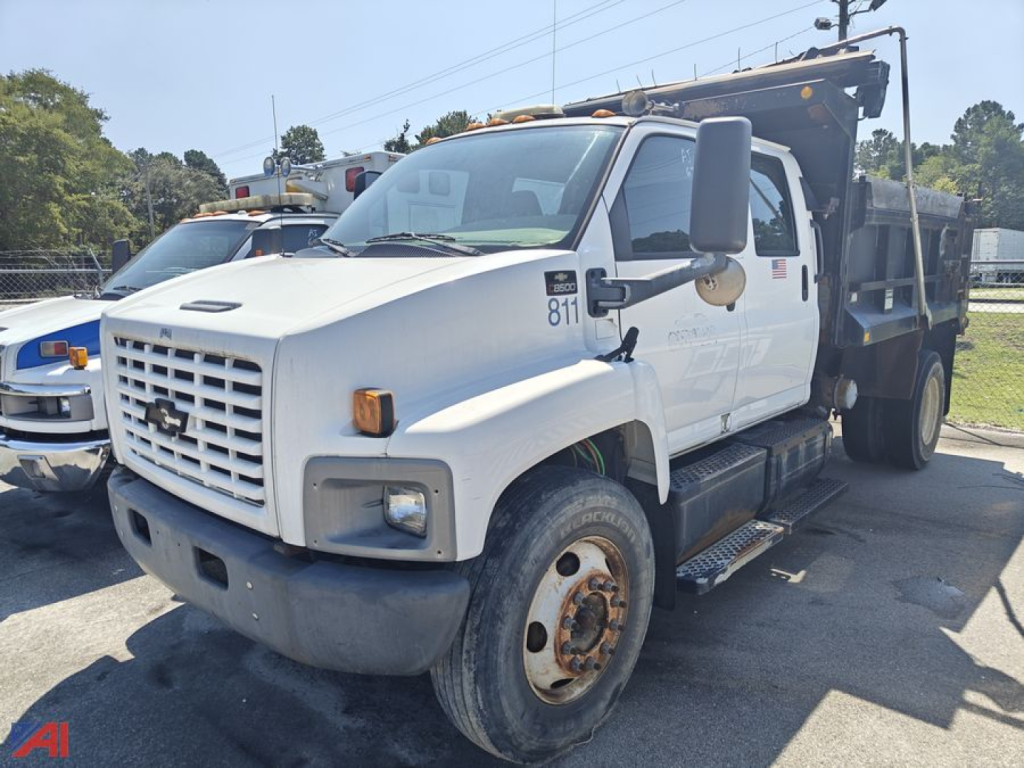
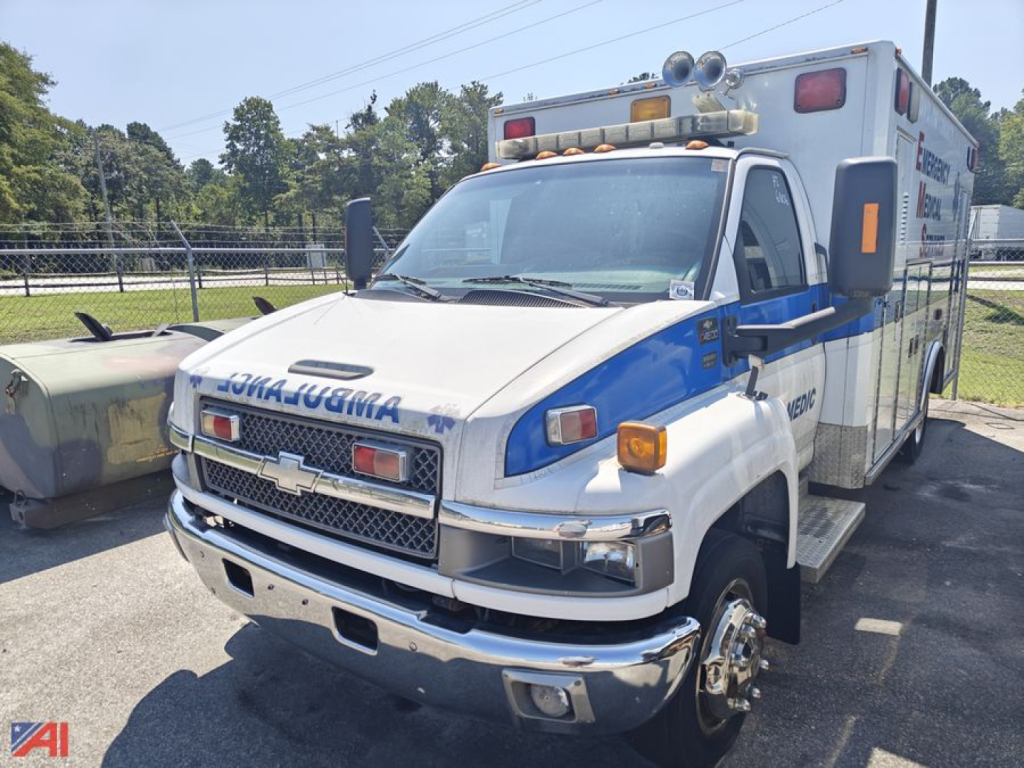
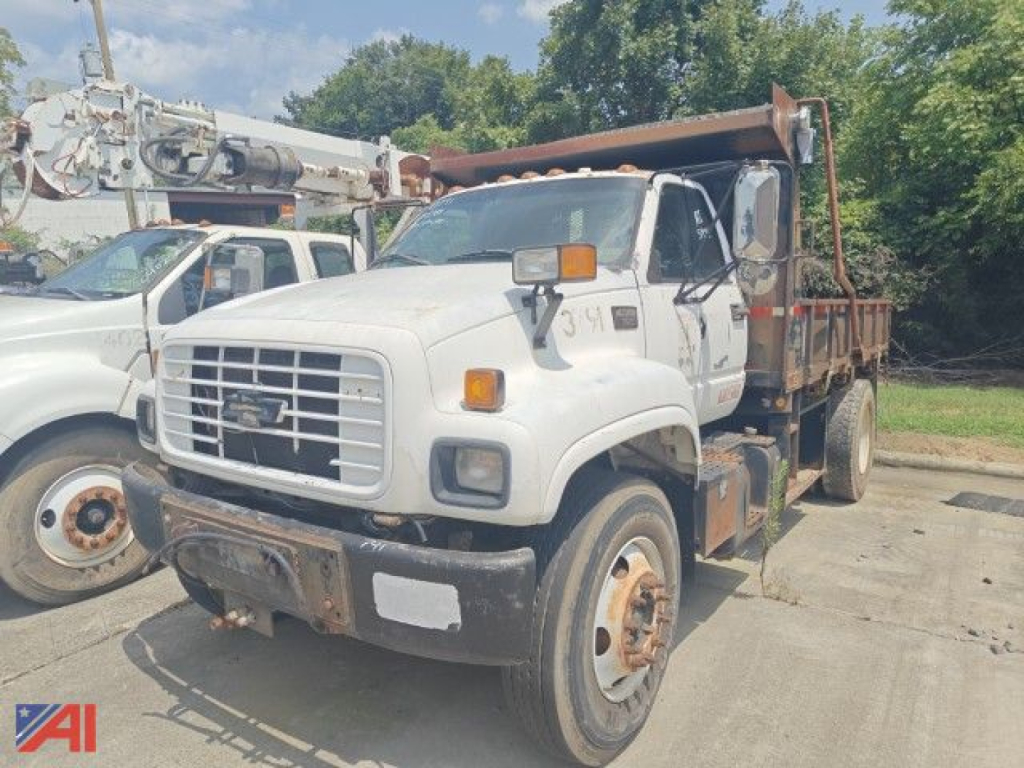
Have used chevrolet commercial truck to sell? List it here to reach thousands of buyers.
Used Chevrolet Commercial Trucks in North Carolina
A used Chevrolet medium-duty truck deserves close attention to GVWR, wheelbase, cab-to-axle measurement, and current body configuration. If the truck is a dump model, inspect hoist operation, floor condition, sidewall integrity, tailgate function, and any signs of frame stress around body mounts. Engine and transmission combinations vary by year and series, so it is worth confirming horsepower, torque, PTO setup, rear axle ratio, and service history before comparing trucks side by side. Older Chevrolet vocational units can still be strong value buys if the hydraulic system, suspension, brakes, and driveline have been maintained correctly. Rust condition also matters, especially on cab corners, crossmembers, bed floors, and underbody components.
For work in North Carolina, buyers often prioritize maneuverability, parts access, and a spec that fits local routes rather than chasing maximum capacity. A shorter wheelbase truck may suit municipal work, tree crews, and tight jobsite access, while a longer chassis can make more sense for grain bodies, flatbeds, or contractor setups. Diesel versus gas is another practical decision based on annual miles, idle time, and maintenance budget. On older used Chevrolet trucks, emissions complexity may be lower than on newer models, but age-related wear becomes a bigger factor, particularly in cooling systems, steering components, electrical systems, and hydraulic equipment.
Chevrolet trucks have long been used as dependable fleet units, and that reputation shows up most clearly in straightforward vocational applications where uptime and ease of service matter. Buyers comparing used Chevrolet trucks should focus less on badge loyalty and more on spec match: actual payload needs, CDL requirements, brake system type, body condition, and the availability of local service support. A well-matched used Chevrolet truck can be a cost-effective option for excavation, property maintenance, paving support, public works, and general commercial hauling across North Carolina.
Frequently Asked Questions about Used Chevrolet Commercial Trucks in North Carolina
What should I check first on a used Chevrolet medium-duty truck?
Start with the truck's rating and configuration, including GVWR, axle capacity, wheelbase, cab-to-axle measurement, and body type. Then verify engine, transmission, brake system, and PTO or hydraulic setup if it is a vocational truck. After that, inspect maintenance records, frame condition, suspension wear, tire condition, and any corrosion on structural components. On a dump or work truck, body condition and equipment function are just as important as the chassis.
Are used Chevrolet trucks a good fit for dump and vocational work?
Yes, many used Chevrolet trucks are well suited for dump, flatbed, utility, and municipal applications, especially in medium-duty configurations. The key is matching the truck's axle ratings, frame, hoist or PTO equipment, and body dimensions to the intended job. A truck that has spent its life in lighter municipal or contractor service may offer better remaining value than one that has been consistently overloaded or used in severe off-road conditions.
How important is wheelbase and cab-to-axle measurement on a used Chevrolet truck?
It is critical because those dimensions determine body fit, turning radius, load distribution, and bridge law considerations in some applications. A truck can look right on paper but still be a poor fit if the wheelbase is too long for local routes or the cab-to-axle dimension does not match the body you need. Buyers planning to swap bodies or repurpose a chassis should confirm these measurements before purchase.
Should I choose a gas or diesel used Chevrolet truck?
That depends on duty cycle, annual mileage, and maintenance priorities. Gas trucks can make sense for lower-mileage local work, simpler service needs, and operations with lots of start-stop use. Diesel trucks usually offer better torque for heavier payloads and more demanding vocational duty, but they can bring higher repair costs depending on age and emissions equipment. The right choice comes down to payload, route profile, and total operating cost.
What matters most when buying a used Chevrolet truck in North Carolina?
Condition and spec matter more than model year alone. Buyers in North Carolina should look closely at rust, hydraulic performance, cooling system health, brake condition, steering play, tire wear, and evidence of past overloading. It also helps to consider the truck's fit for local terrain, municipal requirements, and service network access, since downtime on a vocational truck can quickly outweigh a lower purchase price.