
Chevrolet Trucks For Sale in Other
Browse Chevrolet trucks for sale, including Silverado work trucks, chassis cabs, and utility-ready models built for towing, service, and fleet use.
Learn moreNo exact matches found for your search
Showing Trucks in Other instead.

Have chevrolet truck to sell? List it here to reach thousands of buyers.
About Chevrolet Trucks in Other
A Chevrolet 3500-class truck is commonly chosen when payload, towing, and body upfit flexibility matter more than daily driver comfort. Buyers should look closely at GVWR, rear axle rating, single rear wheel versus dual rear wheel, and engine choice. Many commercial units are diesel-powered for torque and towing performance, while gas engines can make sense for lower annual miles and simpler maintenance. Crew cab versus regular cab affects storage and passenger capacity, while 4x2 versus 4x4 should match the jobsite and region. Rust exposure, idle hours, PTO compatibility, and frame condition are worth checking on any former fleet or government unit.
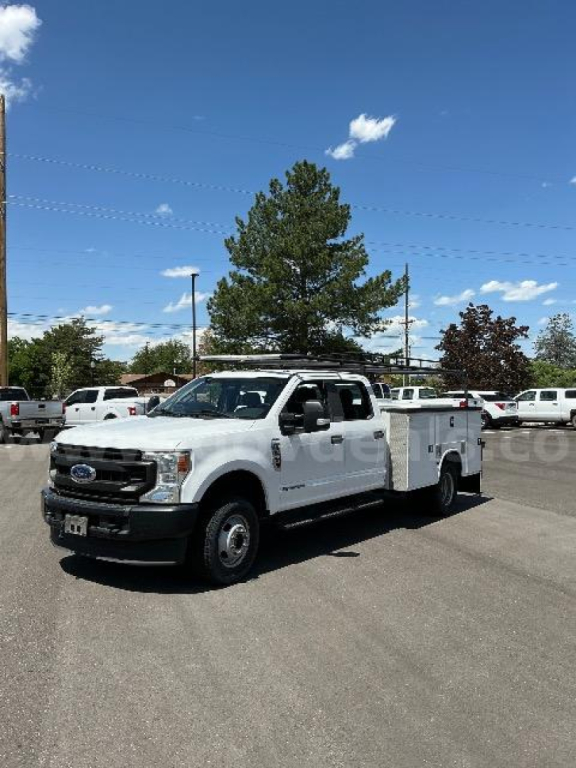
Chevrolet service and utility trucks often show up with enclosed side-pack bodies, ladder racks, compressor space, and jobsite storage already in place. That can save a buyer the cost and lead time of an upfit, but it also makes body condition, compartment integrity, and electrical layout more important. Check for door sag, latch wear, corrosion in the compartments, and signs of overloading around the rear suspension. If the truck has been used in a public sector fleet, maintenance history may be better documented than average, but cosmetic wear, interior stains, and deferred repairs are also common. Powertrain condition should be verified carefully, especially on diesel units with known fuel system, turbocharger, or emissions-related needs.
For many buyers, Chevrolet trucks hit a practical middle ground between capability, parts availability, and operating cost. They are also known as Chevy work trucks or Silverado work trucks, and they remain a common choice for electricians, plumbers, utility crews, and general contractors. The best unit is the one that matches the body, axle, engine, and cab configuration to the actual job. A lightly used pickup may be enough for towing and supervisor duty, while a chassis cab with a utility body is better suited for tools, field service, and daily commercial use.
Frequently Asked Questions
What Chevrolet truck models are most common in commercial and fleet use?
The most common Chevrolet commercial trucks on the used market are Silverado 2500HD and Silverado 3500HD models. Buyers will see them as standard pickups, cab and chassis trucks, service trucks, and utility body units. The 3500 platform is especially common when higher payload ratings, towing capacity, or vocational upfits are required.
Should I choose a diesel or gas Chevrolet work truck?
A diesel Chevrolet truck usually makes the most sense for heavier towing, higher annual mileage, and applications where low-end torque matters. A gas engine can be a smart choice for lighter duty use, shorter routes, and fleets focused on lower upfront cost and simpler maintenance. The better option depends on payload, trailer weight, duty cycle, and how much emissions-system complexity you are willing to manage over time.
What should I inspect on a used Chevrolet service or utility truck?
Start with frame condition, suspension wear, brake life, tire wear pattern, and signs of hard use around the hitch or rear axle. On utility body trucks, inspect compartment floors, hinges, latches, seals, ladder rack mounts, and any onboard electrical equipment. On diesel models, review service records and look closely at the turbocharger, injectors, fuel system components, and emissions equipment, since those repairs can change the true cost of the truck quickly.
Is a Chevrolet 3500 better as single rear wheel or dual rear wheel for commercial work?
Single rear wheel trucks are easier to maneuver, lighter, and often better suited for mixed-use driving where the truck spends time in tighter areas. Dual rear wheel trucks offer better stability under heavy payloads and when towing larger trailers, which makes them a stronger fit for service bodies, flatbeds, and heavier commercial use. The right choice depends on body weight, trailer size, and how often the truck operates near its rated capacity.