
Trucks For Sale Near Cameron Mills, New York
Browse trucks for sale in Cameron Mills, NY, including dump and vocational models with common specs, applications, drivetrain options, and buying tips.
Learn more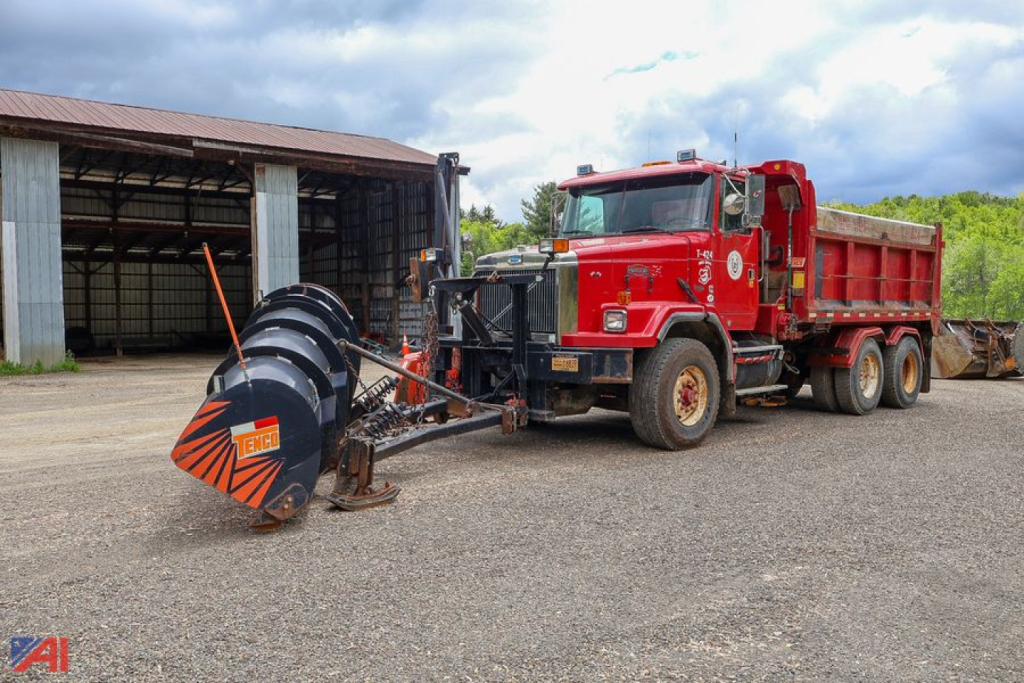
Have truck to sell? List it here to reach thousands of buyers.
About Trucks Near Cameron Mills, New York
For used trucks, the chassis and powertrain matter as much as the body. Buyers should look closely at engine family, transmission type, suspension rating, rear axle ratio, and brake configuration, especially on older vocational units that may have spent years in severe-duty service. Dump trucks typically use steel bodies for abrasion resistance, with hoists, hinge points, crossmembers, and frame rails showing the most telling signs of wear. On snow and municipal trucks, hydraulic pumps, spreader controls, plow gear, electrical connections, and underbody rust can tell you more than the hour meter alone. In hilly parts of New York, gearing, engine brake performance, and overall braking condition are practical concerns, not just spec-sheet details.
Body and chassis spec should match the material being moved. Aggregate, asphalt, topsoil, salt, and demolition debris all load differently and affect the ideal side height, floor thickness, tarp system, and gate style. Tandem dump trucks are a common middle ground for contractors who need useful payload without stepping into a larger tri-axle footprint. Buyers comparing older municipal trucks should also account for idle hours, PTO operation, steering component wear, and the condition of the cab floor, rocker panels, and mounting points. Trucks that have lived through multiple winters can still be good value, but frame scale, brake line condition, and corrosion around suspension hangers need a careful review.
A good truck listing should help confirm GVWR class, wheelbase, axle ratings, tire size, body manufacturer, and any work-ready equipment already installed. For vocational buyers, practical spec details often matter more than cosmetic appearance. A truck with the right hoist, correct axle setup, serviceable hydraulics, and a solid frame usually has more long-term value than a cleaner truck with the wrong configuration. In Cameron Mills and the surrounding Southern Tier, buyers tend to favor trucks that can handle rough secondary roads, jobsite entrances, and winter conditions without sacrificing reliability or parts support.
Frequently Asked Questions
What should I look for first when buying a used vocational truck?
Start with the truck’s intended use, then verify that the chassis, axle configuration, and body are matched to that work. On dump and municipal trucks, the most important areas are frame condition, hoist operation, hydraulic leaks, suspension wear, brake system condition, and corrosion. Rust around spring hangers, cab mounts, crossmembers, and brake lines can be more important than mileage on older severe-duty trucks. A truck that is correctly spec’d for payload and terrain is usually a better buy than one with a newer appearance but the wrong setup.
Is a 6x4 truck a good choice for dump and plow work in New York?
A 6x4 is a common and practical configuration for dump and plow applications because it provides power to both rear axles and handles loose surfaces, grades, and winter road conditions better than lighter-duty layouts. It is well suited for contractors, municipalities, and highway departments that need traction and durability. The tradeoff is additional weight and complexity compared with lighter configurations, so buyers should confirm that the truck’s payload needs and route conditions justify the setup.
How do I evaluate a used dump body?
Inspect the floor, sides, tailgate, hinge points, hoist mounts, and rear frame area for cracking, patching, and distortion. Material type matters because steel bodies handle abrasive loads well but can show corrosion and impact damage over time. Check that the hoist lifts smoothly, the body settles correctly, the gate seals and latches properly, and the tarp system works if equipped. Uneven wear, fresh welds, or visible buckling can indicate a hard service history or repeated overloading.
Are municipal and government-surplus trucks worth considering?
They can be, especially for buyers who value maintenance records, standardized specs, and work-ready equipment such as plow gear, hydraulics, or spreader controls. The main caution is that municipal trucks often accumulate high idle hours, repeated cold-weather starts, and heavy seasonal corrosion exposure. A surplus truck can still be a strong value if the frame, hydraulics, electrical system, and rust-prone areas are in sound condition. Inspection is critical because service history can vary widely by department and use case.
What specs matter most on a truck listing?
GVWR, axle ratings, wheelbase, suspension type, engine, transmission, rear axle ratio, brake type, tire size, and body dimensions are core specs that help determine if the truck fits the job. On vocational trucks, buyers should also look for PTO setup, hydraulic system details, body manufacturer, gate style, plow or spreader prep, and any recent repairs to major components. These details are often more useful than generic descriptions because they directly affect payload, maneuverability, serviceability, and operating cost.