
Freightliner Cab and Chassis Trucks For Sale in Maine
Shop Freightliner cab and chassis trucks in Maine. Compare wheelbases, GVWRs, engine options, and body-ready specs for vocational use.
Learn more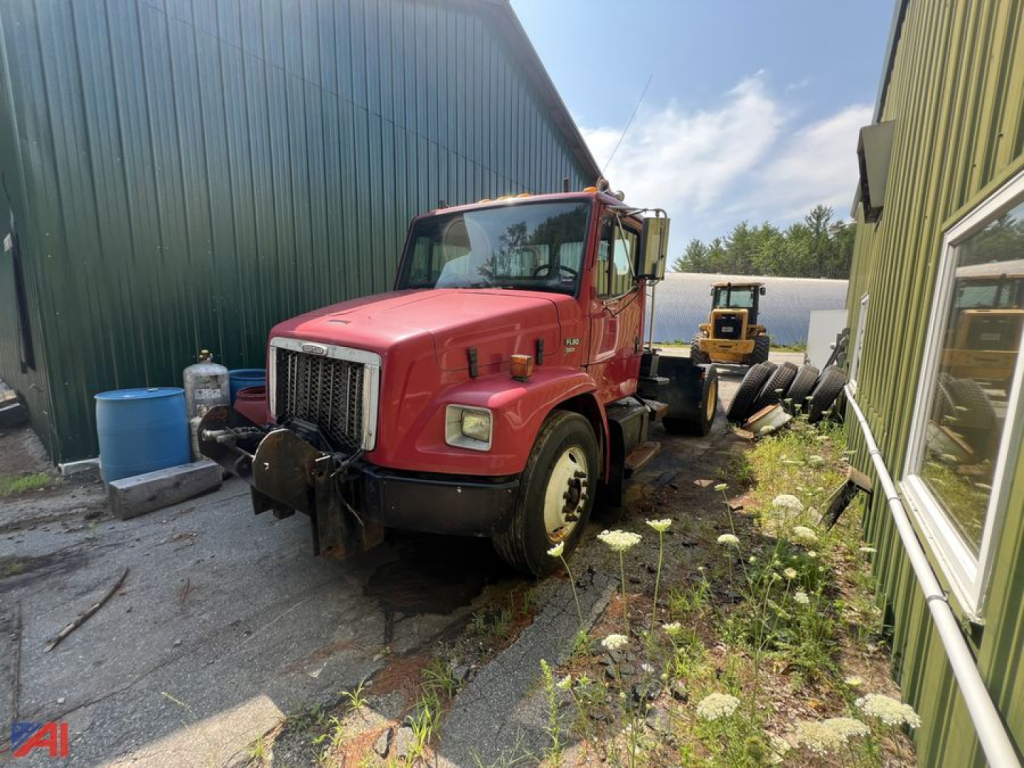
Have freightliner cab and chassis truck to sell? List it here to reach thousands of buyers.
About Freightliner Cab and Chassis Trucks in Maine
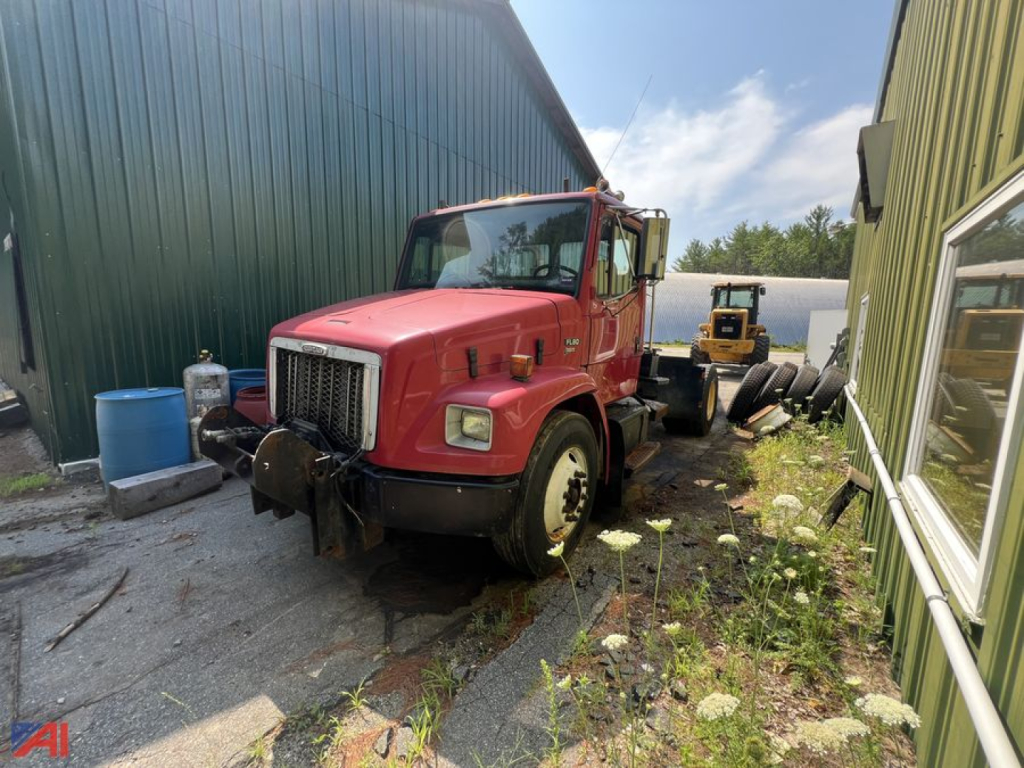
Older and mid-range Freightliner models such as the FL-series are common in the used market, while newer M2 and vocational configurations bring more modern cab ergonomics, electronics, and emissions systems. Buyers should look closely at GVWR, front and rear axle capacities, suspension type, brake setup, and frame rail condition, especially on trucks that have worked in snow, salt, and municipal service. In Maine, corrosion is not a minor detail. Check spring hangers, crossmembers, fuel tank mounts, brake lines, wiring, and the top and inside faces of the frame where rust can hide under an old body or subframe. If the truck previously carried equipment, verify that prior upfit holes, welds, and reinforcements will not complicate the next body installation.
Powertrain choice depends on intended duty cycle. Freightliner cab and chassis trucks are commonly found with medium-duty diesel engines paired with manual or automatic transmissions, and many buyers prefer an Allison automatic for stop-and-go vocational work. For heavier jobs, confirm rear axle ratio, driveline specs, and PTO openings before assuming the chassis will support hydraulic equipment. A truck set up for local delivery is very different from one meant for plowing, towing, or running a loaded dump body on secondary roads. Turning radius, cab-to-axle measurement, and usable frame length should be verified against the body manufacturer’s requirements before purchase.
A good Freightliner cab and chassis should save time during the upfit process and hold up under vocational use. Look for clean electrical integration, accessible frame space, and enough reserve capacity in the axles, suspension, and cooling system for the body and payload you plan to add. For Maine operators, cold-weather starting, heater performance, block heater availability, traction setup, and tire selection also deserve attention. The best truck in this category is not simply the lowest-cost chassis. It is the one whose wheelbase, ratings, drivetrain, and frame condition match the body you need to mount and the work you expect it to do.
Frequently Asked Questions
What is a Freightliner cab and chassis truck used for?
A Freightliner cab and chassis truck is a stripped, body-ready platform designed to accept a vocational or commercial body. Common uses include dump trucks, utility trucks, box trucks, tow trucks, flatbeds, hooklifts, and municipal equipment. The advantage is flexibility. The buyer can match the chassis to a specific body, payload, and duty cycle instead of buying a preconfigured truck that may not fit the job.
What should I check before mounting a body on a used cab and chassis?
Start with cab-to-axle measurement, wheelbase, frame length, and GVWR, then confirm axle ratings and suspension capacity. Inspect the frame rails for corrosion, cracks, extra drill holes, prior weld repairs, and damage from previous body mounts. Also verify PTO provision, transmission compatibility, wiring access, and available space for hydraulic tanks, toolboxes, outriggers, or underbody equipment. A used chassis may look suitable at a glance but still be a poor fit for the intended upfit.
Are Freightliner cab and chassis trucks a good choice for Maine service?
They can be, provided the truck is evaluated carefully for rust and cold-weather readiness. Maine conditions are hard on frames, brake lines, electrical connections, and mounting hardware because of road salt, freeze-thaw cycles, and snow-duty use. A sound Freightliner chassis with a clean frame, solid suspension components, and properly maintained electrical and air systems can serve well in municipal, contractor, and local fleet applications.
Which specs matter most when buying a Freightliner cab and chassis?
The most important specs are GVWR, wheelbase, cab-to-axle length, front and rear axle ratings, engine output, transmission type, rear axle ratio, and frame dimensions. For vocational work, PTO capability, suspension design, brake type, and tire size also matter. These specs determine whether the truck can legally carry the finished body and payload, and whether it will perform correctly once upfitted.
Is an automatic or manual transmission better in a cab and chassis truck?
That depends on the job. Automatic transmissions are common in vocational service because they reduce driver fatigue, improve low-speed control, and work well in stop-and-go routes or plowing applications. Manual transmissions may still appeal to buyers who want simplicity, specific gearing control, or compatibility with older fleet maintenance practices. The right choice comes down to route type, driver pool, PTO needs, and total operating cost.