
Freightliner Cab and Chassis Trucks For Sale in Indiana
Shop Freightliner cab and chassis trucks for sale in Indiana. Compare wheelbases, GVWR, axle setups, PTO options, and body-ready specs.
Learn more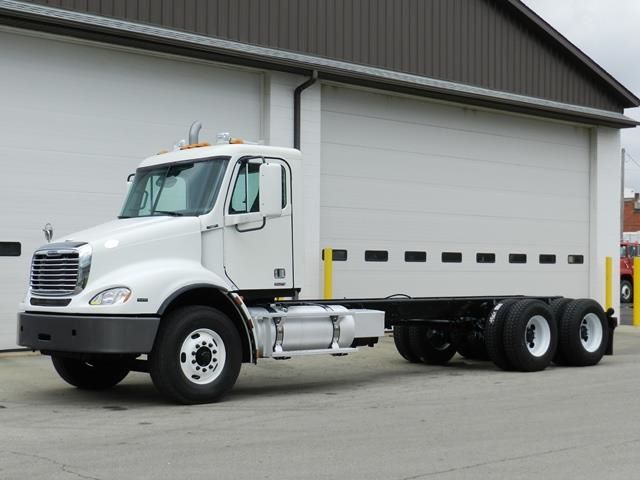
Have freightliner cab and chassis truck to sell? List it here to reach thousands of buyers.
About Freightliner Cab and Chassis Trucks in Indiana
For Indiana operators, application matters as much as brand. Local construction, municipal, utility, grain, and equipment-hauling work often call for tandem axle 6x4 setups, double-frame rails, and higher front axle ratings to support heavier bodies and PTO-driven equipment. Wheelbase and cab-to-trunnion dimensions need to match the body you plan to install, and that is one of the most important measurements to confirm before purchase. Buyers should also review rear suspension type, rear axle ratio, transmission type, and PTO compatibility. An automatic such as an Allison can be a strong fit for stop-and-go vocational work, while engine brake, locking rear differentials, and proper gearing can matter more if the truck will spend time on soft ground, job sites, or secondary roads.
Freightliner cab and chassis trucks are commonly spec'd with diesel engines from Detroit Diesel, Cummins, Mercedes-Benz on older units, and vocational driveline components from Meritor and other major suppliers. GVWR can vary widely, from medium-duty single axle chassis up to heavy tandem axle trucks rated for demanding body installations and payloads. Buyers should pay close attention to front axle capacity, frame rail condition, crossmember integrity, tire size, brake condition, and whether the truck has air and electric run to the rear if towing is part of the job. If a truck is being purchased for a future upfit, clear frame space behind the cab, exhaust routing, tank placement, and existing body builder provisions can save time and fabrication cost.
A strong Freightliner cab and chassis truck is one that fits the body, not just the budget. Service records, rust exposure, and prior application tell you a lot about remaining life. Trucks from dry climates may show better frame and cab condition, while Midwest buyers should inspect corrosion closely around spring hangers, frame flanges, brake plumbing, battery boxes, and wiring. In this category, the best value often comes from matching the chassis to the job with as little rework as possible.
Frequently Asked Questions
What is a Freightliner cab and chassis truck used for?
A Freightliner cab and chassis truck is used as a body-ready platform for vocational and commercial upfits. Common applications include dump bodies, service trucks, rollback carriers, utility bodies, stake beds, flatbeds, tank installations, and hooklift systems. The truck is sold as a chassis with cab so the final body, PTO equipment, and rear configuration can be matched to a specific job.
What specs matter most when buying a Freightliner cab and chassis?
The most important specs are wheelbase, cab-to-axle or cab-to-trunnion measurement, GVWR, axle ratings, frame specification, suspension type, and transmission setup. These determine what body can be installed and how the finished truck will carry weight. Buyers should also verify PTO capability, rear axle ratio, brake type, tire size, and any frame modifications from prior use.
Are tandem axle Freightliner cab and chassis trucks better than single axle models?
Tandem axle models are better for heavier bodies, higher payloads, towing, and demanding vocational work, but they are not automatically the better choice for every operation. A single axle chassis can be more maneuverable, lighter, and less expensive to operate in local delivery or lighter service applications. The right setup depends on body weight, legal bridge requirements, jobsite conditions, and intended gross operating weight.
What should buyers inspect on a used Freightliner cab and chassis truck in Indiana?
Indiana buyers should inspect frame rust, crossmembers, brake lines, wiring, suspension mounts, and cab mounts closely because Midwest use can expose trucks to moisture and road salt. It is also important to check for prior body removal damage, extra frame holes, cracked weld repairs, and corrosion around battery boxes and fuel tank mounts. If the truck is being upfitted, measure the available frame space carefully and confirm that tanks, exhaust, and accessories will not interfere with the planned body.
Which Freightliner models are common in cab and chassis applications?
Common Freightliner cab and chassis models include the Business Class M2 for medium-duty work and the 108SD or 114SD for heavier vocational applications. Older Columbia and similar severe-service configurations also appear in this category, especially in tandem axle specs. The best model depends on the body size, weight requirement, engine choice, and whether the truck will be used primarily on pavement or in harsher jobsite conditions.