
Ford Cab and Chassis Trucks For Sale in Texas
Shop Ford cab and chassis trucks in Texas. Compare F-350, F-450, and F-550 platforms for upfit, towing, service, utility, and flatbed work.
Learn more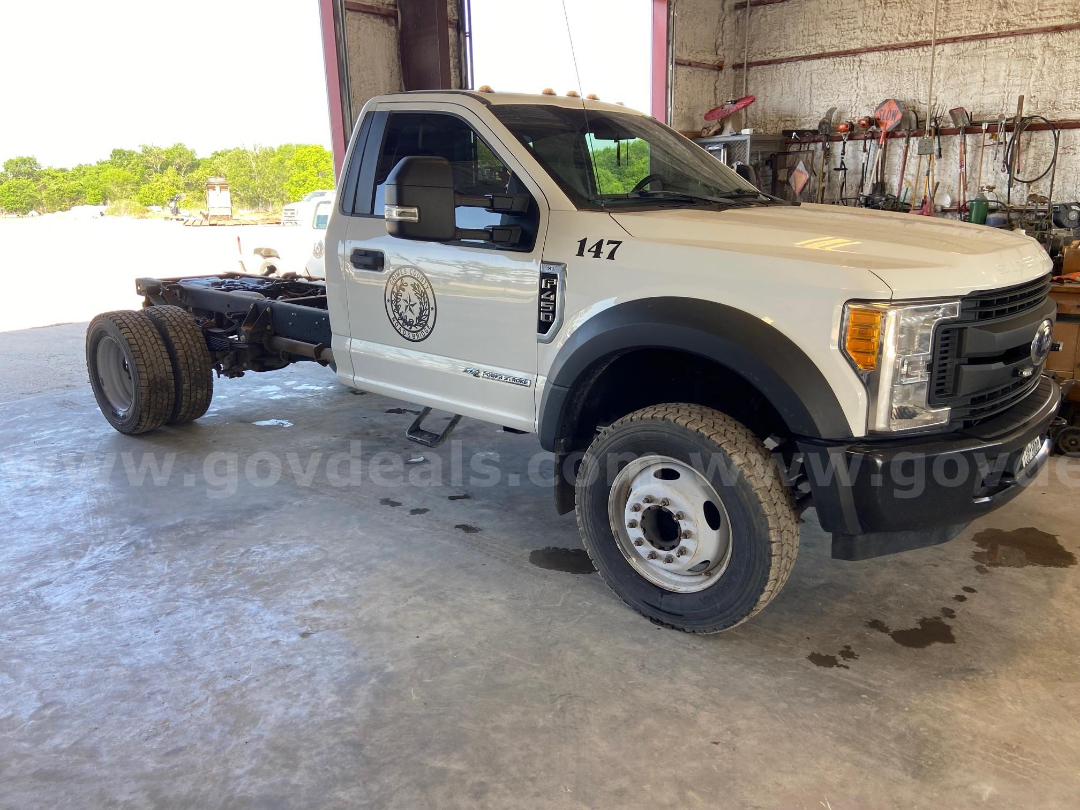
Have ford cab and chassis truck to sell? List it here to reach thousands of buyers.
About Ford Cab and Chassis Trucks in Texas
One of the first things to compare is intended body and payload. A Ford cab and chassis is sold with a straight frame behind the cab, making it easier to mount vocational equipment than a pickup-style frame. Buyers should verify CA, or cab-to-axle, length, wheelbase, frame dimension, rear axle rating, and GVWR before choosing a body. Those numbers matter for fitment, bridge law planning, and final weight distribution. On used units, check for frame modifications, corrosion around body mounts, PTO setup if equipped, electrical connections for upfits, and whether the truck has already been configured for gooseneck, fifth-wheel, crane, compressor, or hydraulic applications.
Powertrain choice is another major decision point. Many Ford cab and chassis trucks are equipped with the 6.7L Power Stroke diesel, especially in heavier-duty applications that demand towing capacity, idle time, and torque under load. Buyers running local delivery or lighter service routes may also compare gas-engine trucks for lower upfront cost and simpler maintenance. In Texas heat and stop-and-go service, cooling system condition, transmission operation, DEF and emissions performance, and front suspension wear deserve close attention. If the truck will spend time on ranch roads, oilfield access routes, or construction sites, look at tire size, rear differential ratio, 4x2 versus 4x4 configuration, and any signs of underbody damage or excessive frame twist.
Ford cab and chassis trucks appeal to fleets because parts support is strong, upfit familiarity is widespread, and the platform is easy to tailor to specialized work. A regular cab may make the most sense for maximizing body length, while SuperCab and Crew Cab layouts give crews more room but reduce available frame space. For many buyers, the best truck in this category is not the one with the highest rating on paper. It is the one with the correct axle capacity, wheelbase, and body-ready dimensions for the exact job cycle. Matching the chassis to the upfit, route, and payload profile is what determines long-term productivity.
Frequently Asked Questions
What is a Ford cab and chassis truck used for?
A Ford cab and chassis truck is used as a base vehicle for vocational upfits. Common applications include flatbeds, service bodies, utility bodies, dump beds, stake beds, hauler beds, and small box bodies. The straight frame rails and body-ready chassis make it easier to install commercial equipment than on a standard pickup bed configuration.
What should I check before buying a used Ford cab and chassis truck?
Start with the CA measurement, wheelbase, GVWR, front and rear axle ratings, and cab configuration to make sure the chassis matches the body you plan to install. Then inspect frame condition, evidence of prior upfit removal, PTO and hydraulic provisions, wiring for body equipment, suspension wear, brake condition, and tire load range. On diesel models, review engine hours if available, emissions system history, injector performance, and cooling system condition.
Which Ford models are most common in cab and chassis form?
The most common Ford cab and chassis models are the F-350, F-450, and F-550 Super Duty. The right model depends on body weight, payload, towing demands, and axle requirements. F-350 units often fit lighter commercial work, while F-450 and F-550 trucks are more common when the truck will carry heavier service bodies, tow equipment, or operate with higher GVWR needs.
Is a Ford cab and chassis different from a regular pickup truck?
Yes. A cab and chassis truck is built for commercial body installation, so it uses a straight frame behind the cab instead of a factory pickup box. That design changes fitment, weight distribution, and body-mounting options. Cab and chassis trucks are typically chosen when the buyer needs a purpose-built work truck rather than a pickup that will remain in stock bed form.
Why do Texas buyers often choose Ford cab and chassis trucks?
Texas buyers often need trucks that can handle towing, service work, construction, agricultural use, and long distances between jobs. Ford cab and chassis trucks are common because they offer broad dealer and parts support, familiar Super Duty serviceability, and multiple chassis ratings for different vocational setups. That makes them practical for fleets and owner-operators who need an upfit platform that can be tailored to regional work demands.