
Trucks For Sale Near Bridgewater, New York
Browse trucks for sale in Bridgewater, New York, including dump and municipal work trucks built for hauling, plowing, spreading, and jobsite use.
Learn more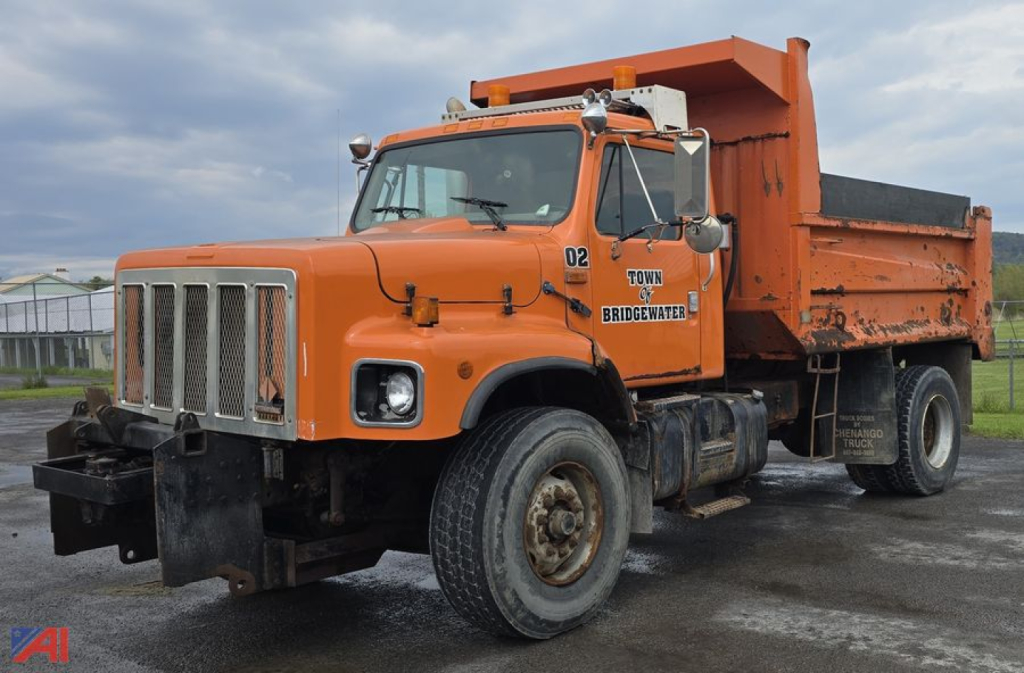
Have truck to sell? List it here to reach thousands of buyers.
About Trucks Near Bridgewater, New York
Dump trucks are among the most common truck types in this class, and they are built to handle aggregate, debris, asphalt, salt, and general material hauling. Common points to compare include GVWR, axle configuration, body length, hoist type, and tailgate design. A single-axle dump may be the better fit for tighter local routes, farm lanes, and lighter payload requirements, while tandem-axle trucks are better suited for heavier loads and tougher jobsite conditions. If the truck is fitted with a plow, wing, or sander, check the front frame horns, hydraulic plumbing, controls, and electrical system for proper operation. These accessories can add real productivity for highway departments and snow contractors, but they also place extra stress on the chassis and front suspension.
Engine choice, transmission type, and brake configuration matter because they directly affect operating cost and driver acceptance. Many trucks in this category use diesel power with manual, automated, or automatic transmissions depending on age and application. For stop-and-go municipal use, an automatic can improve ease of operation, while a manual may still appeal to buyers focused on simplicity and serviceability. Suspension rating, tire size, wheelbase, and locking differential setup all influence how the truck performs on soft jobsites, rural roads, and winter pavement. Buyers should also review service records closely for clutch work, injector or EGR repairs, brake drum or rotor replacement, and hydraulic cylinder maintenance.
The best truck for this market is the one matched to the work, not just the lowest upfront price. A buyer comparing used trucks in Bridgewater should look at rust exposure, frame crossmember condition, dump body floor wear, steering play, and any signs of municipal fleet maintenance history. For severe-duty trucks, it is worth confirming the condition of the spring hangers, pintle setup, lighting, spreader controls, and cab floors. A well-matched truck can serve construction, excavation, snow removal, landscaping, and public works for years, especially when the chassis specs, body equipment, and axle ratings line up with the actual payload and route demands.
Frequently Asked Questions
What should I look for first when buying a used truck in Bridgewater, New York?
Start with frame condition, rust level, and evidence of hard vocational use. In western and upstate New York, trucks used for snow work, salting, and winter road service can have significant corrosion on the frame, cab mounts, crossmembers, brake lines, and electrical connections. After that, review the engine hours if available, PTO operation, hydraulic performance, suspension wear, and service history. A sound chassis with documented maintenance is usually more valuable than a lower-priced truck with hidden structural or hydraulic issues.
Are dump trucks a common choice in this truck category?
Yes. Dump trucks are one of the most common vocational truck types buyers will find in this category because they serve construction, municipal, landscaping, excavation, and farm applications. Key specs include axle count, GVWR, body size, hoist configuration, and whether the truck has extras such as a plow, wing, or sander. The right choice depends on payload target, route conditions, maneuverability needs, and whether the truck will spend more time on paved roads or rough jobsites.
Is a truck with a plow and sander a good buy for commercial use?
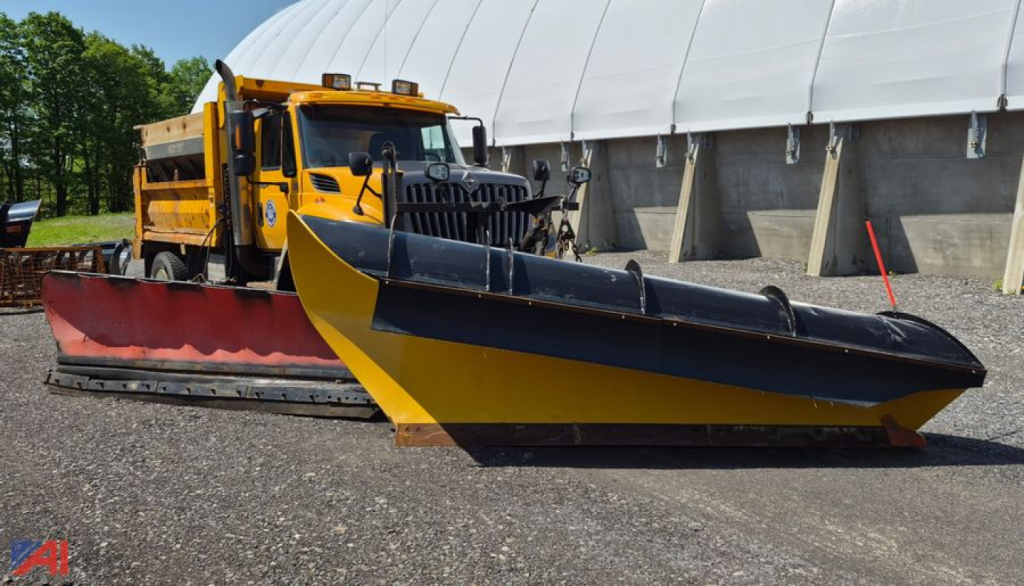
It can be, especially for municipal contractors, snow removal operators, and fleets that need a multi-season truck. A plow and sander setup adds utility, but buyers should inspect the front axle, steering components, hydraulic controls, electrical harnesses, and mounting points carefully. Snow equipment increases wear on the front end and can expose the truck to heavy corrosion from salt. If the equipment is functional and the chassis has been maintained properly, these trucks can deliver strong value for regional winter operations.
What axle setup is best for a used work truck?
The best axle setup depends on the job. Single-axle trucks are easier to maneuver, generally lighter, and often more economical for local hauling, property maintenance, and smaller loads. Tandem-axle trucks provide higher payload capacity, better weight distribution, and more stability in demanding construction or municipal applications. Buyers should compare axle ratings, wheelbase, suspension type, and intended payload rather than choosing based on axle count alone.
Why do service records matter so much on used vocational trucks?
Service records help confirm how a truck was maintained and can reveal expensive repairs before they become your problem. On vocational trucks, items like hydraulic cylinders, PTO components, clutches, brakes, suspension parts, steering gear, and emissions equipment often see heavy wear. A truck with clear documentation for preventive maintenance, seasonal inspections, and major component work gives a buyer a better picture of expected uptime and near-term repair costs.