
Box Trucks For Sale in Oklahoma
Browse box trucks for sale in Oklahoma. Compare GVWR, body length, liftgate, cab style, and engine options for local and regional delivery work.
Learn moreBrowse Box Trucks by Make
Have box truck to sell? List it here to reach thousands of buyers.
About Box Trucks in Oklahoma
Powertrain and cab configuration matter more in this category than many first-time buyers expect. Diesel box trucks remain popular for higher-mileage regional work, while gas models can make sense for lower annual miles and simpler maintenance. In medium-duty examples such as a Hino 268A, buyers often compare automatic transmissions, rear axle ratios, horsepower, torque, and brake type to match stop-and-go delivery versus steady suburban or highway operation. A regular cab keeps overall length tighter, while extended and crew cab configurations add room for labor crews, installers, or moving teams. If the truck will spend its life on city routes, turning radius, door access, and step-in height deserve as much attention as engine specs.
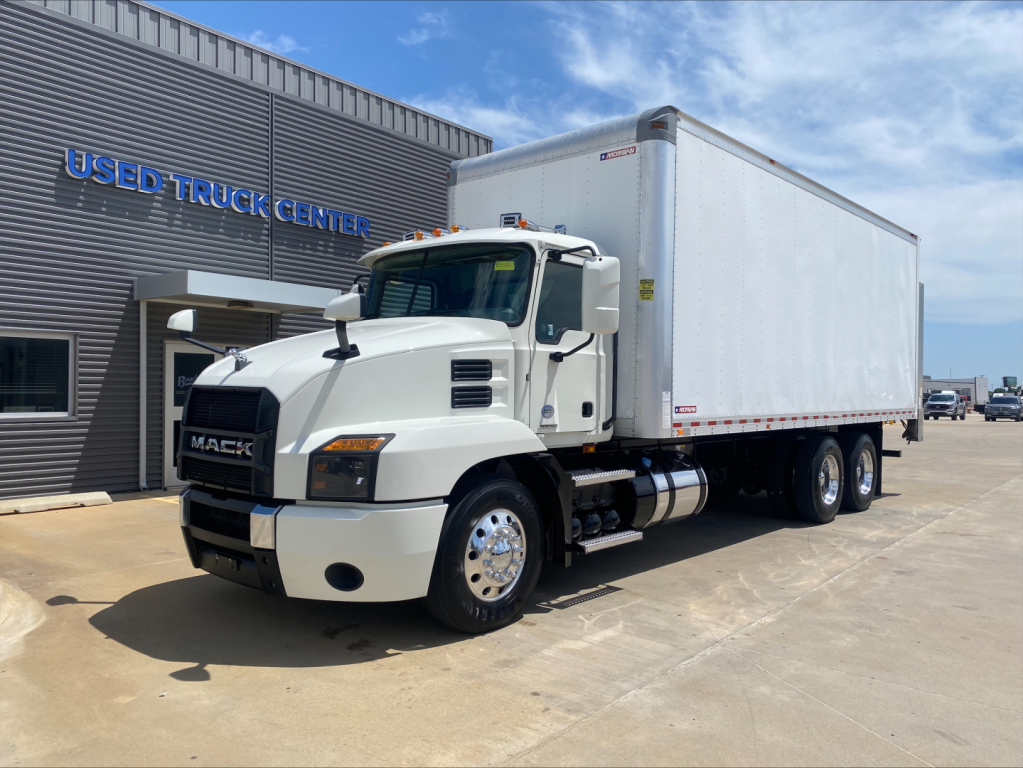
The box itself is where application fit is won or lost. Dry freight bodies are common, but interior height, E-track placement, hardwood or laminated flooring, translucent roof panels, and roll-up versus swing doors all affect day-to-day usability. A liftgate is often the deciding option for palletized freight, vending, equipment delivery, and final-mile work where a dock is not guaranteed. Buyers in Oklahoma should also pay attention to body condition, roof integrity, corner cap repairs, frame rust, and signs of floor soft spots from forklift traffic or moisture intrusion. If the truck hauled dense freight, verify that axle ratings, spring capacity, and tire load range are appropriate for the intended payload.
For commercial buyers comparing used box trucks for sale, the best unit is the one sized to the route and cargo, not just the lowest upfront price. Check wheelbase-to-body balance, cab-to-axle measurement, maintenance history, and any signs of overloading or repeated dock damage. PTO-driven refrigeration units, shelving packages, tuck-under liftgates, and side doors can add value when they match the operation. A well-spec'd box truck can serve moving companies, beverage distributors, contractors, municipal departments, and local delivery fleets for years, provided the chassis, body, and cargo-handling equipment are matched to the job.
Frequently Asked Questions
What size box truck is best for local delivery work?
For most local delivery operations, the right size depends on freight density, stop count, and parking constraints. A 16 to 20 foot box truck is often easier to route through urban streets, alleys, and tight customer locations, while a 24 to 26 foot body gives more cargo volume for furniture, appliances, and multi-stop retail deliveries. Buyers should look at payload capacity, wheelbase, door opening height, and whether a liftgate is required before choosing body length.
What should I inspect on a used box truck before buying?
Focus on both the chassis and the body. On the chassis side, review engine hours and mileage, transmission operation, brake wear, suspension condition, tire age, and maintenance records. On the body side, inspect the roof for leaks, floor for rot or forklift damage, roll-up door alignment, sidewall condition, and signs of patch repairs at corners or front bulkheads. Also verify the liftgate, if equipped, operates smoothly under load and that the truck's axle ratings match the intended cargo.
Is a diesel or gas box truck better?
Diesel box trucks are typically favored for higher-mileage service, heavier payloads, and longer vehicle life in medium-duty applications. Gas box trucks can be a practical choice for lower annual mileage, lighter loads, and fleets that want simpler emissions systems and potentially lower upfront cost. The better option depends on route length, idle time, payload, service network, and total cost of ownership rather than fuel type alone.
Do I need a liftgate on a box truck?
A liftgate is important when freight is loaded or unloaded at locations without dock access. It is especially useful for palletized goods, vending equipment, appliances, and final-mile deliveries where manual handling is inefficient or unsafe. Buyers should match liftgate capacity, platform style, and bed height to the freight they handle most often, because an undersized gate can become a daily operating problem.