
Used Mack Box Trucks For Sale in Oklahoma
Browse used Mack box trucks for sale in Oklahoma. Compare van body sizes, liftgate options, axle ratings, engines, and transmission specs.
Learn more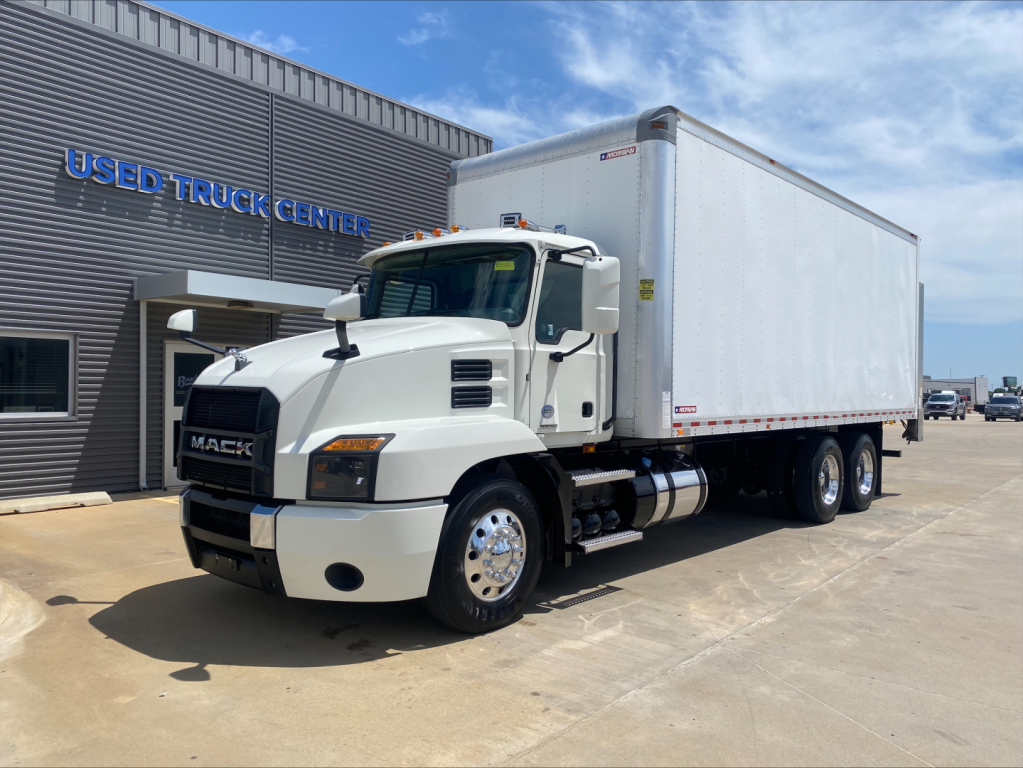
Have used mack box truck to sell? List it here to reach thousands of buyers.
About Used Mack Box Trucks in Oklahoma
The first decision is usually chassis class and body length. Buyers should look closely at GVWR, front axle rating, rear axle rating, wheelbase, and the actual van body size, since payload stability and turning radius change quickly as body length increases. Common configurations in this segment include 22-foot to 26-foot bodies, roll-up rear doors, hardwood or laminated floors, E-track, scuff liners, translucent roofs, and tuck-under or rail-style liftgates. If frequent dock work is part of the route, door opening height and body floor height matter just as much as overall cubic capacity. For palletized freight, liftgate capacity and platform size should match the heaviest regular load, not just occasional use.
On the powertrain side, used Mack box trucks often appeal to fleets that want a highway-capable diesel setup with more torque than a typical straight truck spec. Mack MP-series engines, automated manual transmissions such as mDRIVE, and air ride rear suspensions are worth comparing because they affect fuel economy, driver acceptance, and load protection. Rear axle ratio, horsepower, and torque curve should line up with the truck's actual duty cycle. A route truck that spends all day in stop-and-go traffic has different needs than a straight truck running longer Oklahoma corridors between Tulsa, Oklahoma City, Lawton, and regional freight lanes beyond the state. Suspension condition, brake type, tire wear, and PTO or liftgate electrical system health also deserve attention on a used unit.
Body condition is just as important as the cab and chassis. Inspect the roof, front wall, crossmembers, floor wear, rear frame, door tracks, and signs of water intrusion. Check for patch repairs around the corners and threshold, especially on older dry van bodies that have seen dock impact or forklift traffic. Buyers comparing used Mack box trucks should also confirm body manufacturer, inside dimensions, liftgate brand, service history, emissions system maintenance, and any evidence of frame modifications after the body was installed. A well-matched used Mack box truck can serve as a durable platform for local delivery, regional freight, moving applications, or specialized commercial hauling where enclosed cargo protection and heavier straight-truck capability are both required.
Frequently Asked Questions
What should I look for first when buying a used Mack box truck?
Start with the truck's actual working configuration, not just the model year or mileage. Confirm GVWR, axle ratings, wheelbase, van body length, and liftgate capacity before comparing engine or cab features. A used Mack box truck may have the power for heavier freight, but the body size, floor condition, rear door opening, and suspension setup determine how well it fits palletized freight, route delivery, or regional transfer work. Service records for the engine, transmission, aftertreatment system, and liftgate are especially important on a used commercial unit.
Are Mack box trucks good for heavier payload applications?
Mack box trucks are often selected because the chassis can support heavier-duty straight truck work than many lighter delivery platforms. That makes them a strong fit for dense freight, beverage loads, equipment distribution, industrial supplies, and routes that combine urban stops with interstate miles. The exact payload capacity still depends on the specific body, axle ratings, suspension, and local legal weight limits, so buyers should calculate available payload from the truck's empty weight rather than relying on general brand reputation.
What body features matter most on a used box truck?
Floor condition, body dimensions, door operation, and liftgate specification usually matter more than cosmetic appearance. Buyers should inspect for soft spots in the floor, damaged crossmembers, roof leaks, wall delamination, bent rear frames, and worn door hardware. Interior features such as scuff liners, E-track, logistics posts, and cargo tie-down systems can add real value if they match the freight being hauled. If the truck will handle dock deliveries and ground-level stops, the liftgate's rated capacity, platform size, and hydraulic condition are critical.
Is an automated manual transmission like Mack mDRIVE a good choice in a box truck?
An automated manual transmission can be a strong choice for a box truck that sees mixed city and highway service. It can reduce driver fatigue, improve shift consistency, and help protect the driveline compared with poorly managed manual operation. The main consideration is maintenance history and how the truck was used, since clutch wear, software updates, and calibration history all affect performance. Buyers should confirm smooth engagement, proper shift behavior under load, and documented service when evaluating a used unit.
Why does Oklahoma operation change what I should look for in a used Mack box truck?
Oklahoma fleets often need a truck that can handle wind exposure, long highway stretches, uneven yard conditions, and mixed regional duty rather than short urban loops alone. That puts more emphasis on engine torque, gearing, suspension condition, tire quality, cooling system health, and cab comfort for longer runs. If the truck will work in construction supply, oilfield support, or regional distribution, a heavier chassis spec and stronger liftgate may be more valuable than maximum cargo cube alone.