
Used Mack Box Trucks For Sale in Kansas
Browse used Mack box trucks in Kansas. Compare MD-series specs, body lengths, liftgates, and GVWR options for delivery and route work.
Learn more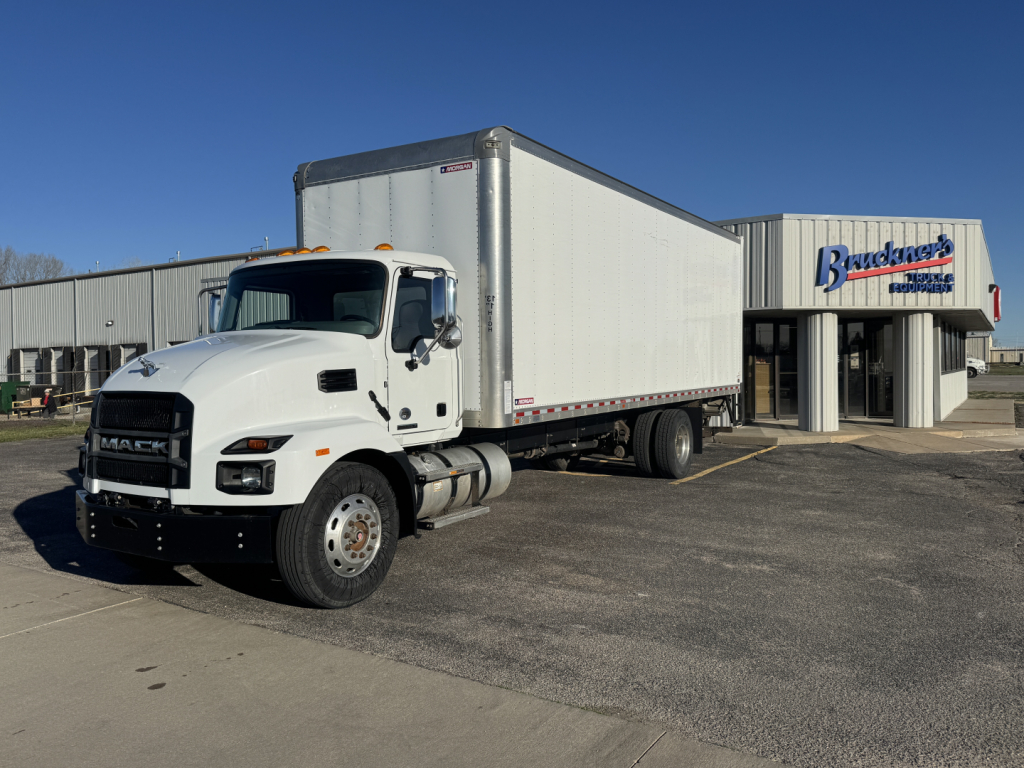
Have used mack box truck to sell? List it here to reach thousands of buyers.
About Used Mack Box Trucks in Kansas
The key buying decision usually starts with GVWR, body length, and powertrain. Mack MD6 models are typically positioned in the Class 6 range and are often spec'd with a Cummins diesel and an Allison automatic transmission, a combination that many fleets prefer for ease of driver training and predictable maintenance. For a used unit, mileage is only part of the story. Buyers should look closely at idle hours if available, service records, brake life, tire condition, liftgate operation, and signs of body damage around the rear frame, door opening, and cargo floor. On box trucks, cargo area condition matters as much as the cab. Check for water intrusion, soft flooring, damaged scuff liners, poor roll-up door alignment, and evidence of repeated forklift impact.
Body spec can change the truck's usefulness more than the badge on the hood. A 26-foot box with a liftgate suits multi-stop delivery and hand-unload freight, while a shorter body may be a better fit for urban routes, tighter alleys, or drivers who need easier maneuverability. Payload capacity depends on the body build, liftgate weight, fuel capacity, and exact chassis rating, so it is worth confirming the actual door-sticker weights instead of relying on assumptions. Suspension setup, wheelbase, and rear axle ratio also affect ride quality, turning radius, and highway performance. If the truck will spend most of its time loaded near capacity, pay attention to spring ratings, tire load range, and the condition of the rear suspension components.
Kansas buyers should also consider corrosion exposure, even on trucks that appear clean at first glance. Road treatment, agricultural use, and mixed regional service can show up underneath the body, on crossmembers, liftgate hardware, and electrical connections. A strong used Mack box truck should present well in the cab, track straight under braking, shift cleanly, and show consistent maintenance across the engine, transmission, and body equipment. If the truck includes a Morgan or similar dry freight body, inspect roof seams, front wall integrity, interior fasteners, and dock bumper wear. For many operations, a used Mack box truck offers a practical balance of commercial-grade chassis durability, serviceable drivetrain components, and the cargo security of an enclosed van body, also known as a straight truck or dry freight box truck.
Frequently Asked Questions
What is the typical use for a Mack box truck?
Mack box trucks are commonly used for local and regional delivery, dry freight, final-mile service, retail distribution, furniture and appliance delivery, and route-based commercial hauling. The enclosed body protects cargo from weather and theft, while a medium-duty chassis gives the truck better payload capability than a cargo van. Many are also equipped with liftgates, which makes them practical for locations without a dock.
What should I inspect first on a used Mack box truck?
Start with the body, liftgate, and chassis together, because all three affect revenue use. Inspect the cargo floor for rot, delamination, or forklift damage, check the roll-up door for smooth operation, and test the liftgate under load if possible. On the chassis side, review engine and transmission service history, check for suspension wear, inspect brakes and tires, and look closely at frame rails, crossmembers, and wiring for corrosion or repairs.
Is a Mack MD6 a good fit for delivery work in Kansas?
A Mack MD6 is a strong fit for many Kansas delivery applications because it balances highway stability with medium-duty maneuverability. It can handle mixed routes that include interstate travel, town-to-town delivery, and stop-and-go urban work. The common Cummins and Allison drivetrain combination is also familiar to many shops and drivers, which can simplify maintenance planning and driver onboarding.
How important is liftgate spec on a used box truck?
Liftgate spec is critical because it directly affects what freight the truck can handle and how efficiently drivers can work. Buyers should confirm the platform size, weight rating, cycle speed, hydraulic condition, and any signs of structural cracking or rust. A truck with the right liftgate can serve more customers and reduce labor strain, while a weak or poorly maintained liftgate can create downtime and safety issues.
What body length is most common on a used Mack box truck?
Many used Mack box trucks are configured with bodies in the 24-foot to 26-foot range, which is a common sweet spot for delivery fleets. That size provides solid cubic capacity without pushing too far into hard-to-maneuver territory for city and suburban routes. The right length still depends on freight type, dock access, parking constraints, and the payload needed on a typical day.