
Mack Box Trucks For Sale in New Mexico
Explore Mack box trucks for sale in New Mexico, including MD6 specs, GVWR, body lengths, powertrain options, and delivery applications.
Learn more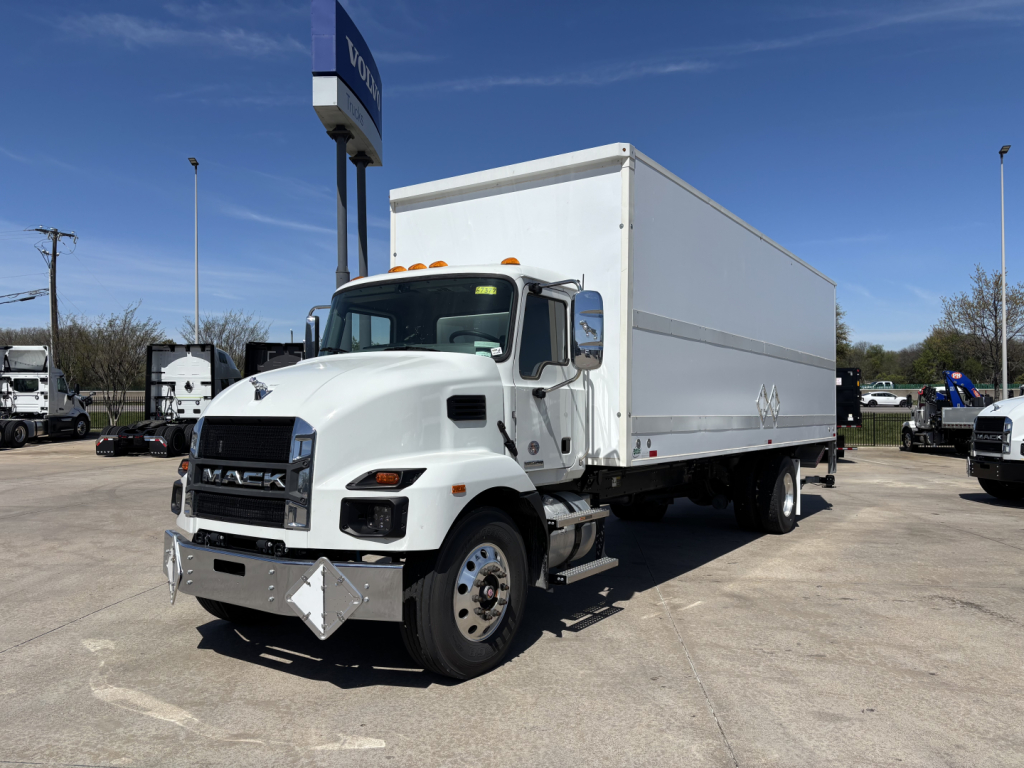
Have mack box truck to sell? List it here to reach thousands of buyers.
About Mack Box Trucks in New Mexico
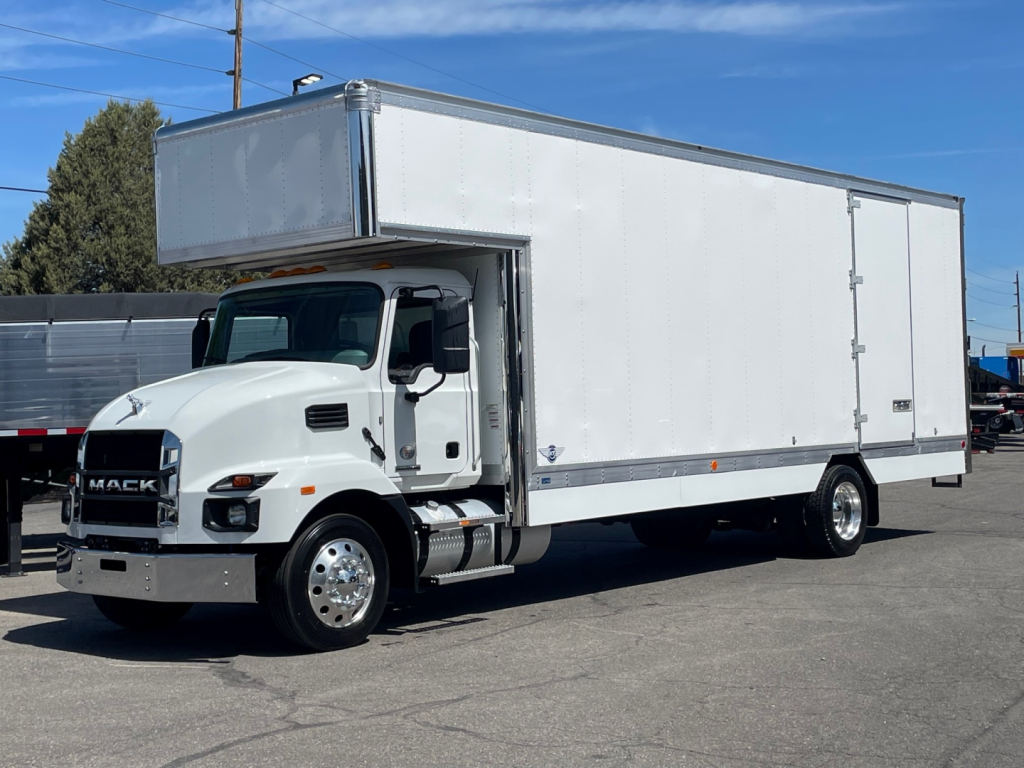
A typical Mack box truck in this class is built around the MD6 platform with a 26-foot van body or moving body, single axle configuration, and a GVWR in the 26,000-pound range. That puts it at the top end of non-CDL operation when properly spec’d, which is a major advantage for fleets trying to widen the driver pool. Common power includes the Cummins ISB6.7 diesel, often in the 260 horsepower range, paired with an Allison automatic such as the 2500 RDS. That combination is popular for city and regional work because it is straightforward to maintain, easy to drive, and well matched to frequent stop-and-go duty. Buyers should also pay attention to rear axle ratio, front and rear axle ratings, and suspension type, especially when the truck will see heavy cube loads, liftgate use, or repeated starts on grades.
The body spec matters just as much as the chassis. Box trucks can be outfitted as straight trucks with dry van bodies, moving vans, and delivery bodies with options like translucent roofs, E-track, scuff liners, hardwood floors, attic space, cargo tie rails, walk ramps, and tuckaway or rail liftgates. In a market like New Mexico, insulation, body sealing, and door durability can make a real difference for temperature-sensitive freight, furniture, and household goods. If the truck will spend time in tighter city corridors or customer lots, check overall length, cab-to-axle measurement, turning radius, and mirror visibility. If dock work is the priority, rear door opening height, floor height, and body width deserve close attention.
A good Mack box truck spec balances legal payload with body volume and route type. Air brakes are common on heavier medium-duty configurations, and air ride rear suspension can help with ride quality and cargo protection on rougher secondary roads. Buyers looking at used or late-model units should review maintenance history, body condition, roof integrity, door frame wear, liftgate cycle hours if equipped, and signs of floor rot or sidewall damage. For fleet use, it also makes sense to compare warranty coverage, telematics compatibility, and dealer support across New Mexico and neighboring states. Mack box trucks appeal to buyers who want a medium-duty straight truck with proven diesel power, automatic transmission availability, and a chassis that can support commercial van body applications without overcomplicating the spec.
Frequently Asked Questions
What is the typical GVWR for a Mack box truck like the MD6?
A common Mack MD6 box truck configuration is rated at 26,000 pounds GVWR. That rating is important because it places the truck at the upper end of the non-CDL Class 6 segment when the vehicle is spec’d and registered accordingly. For many delivery, moving, and dry freight operations, 26,000 pounds offers a strong balance of payload capacity, body size, and driver accessibility.
What engine and transmission are commonly found in Mack box trucks?
Many Mack box trucks in the medium-duty category are equipped with a Cummins ISB6.7 diesel engine paired with an Allison automatic transmission, often a 6-speed such as the 2500 RDS. This is a widely accepted combination for box truck service because it supports stop-and-go delivery work, simplifies driver training, and has a strong service network. Horsepower ratings around 260 are common for 26-foot van body applications.
Is a 26-foot Mack box truck a good fit for moving and delivery work?
Yes. A 26-foot Mack box truck is a common size for household goods, furniture delivery, appliance routes, parcel service, and general dry freight. It provides substantial cubic capacity while remaining more maneuverable than larger tractor-trailer combinations. The right fit still depends on body build, door opening dimensions, liftgate needs, and axle ratings, so buyers should match the truck to cargo type and route density.
What should buyers inspect on a used Mack box truck?
The priority items are chassis condition, service records, engine and transmission performance, brake system type and condition, tire wear, suspension wear, and any evidence of frame corrosion or accident repair. On the body side, inspect the roof, front wall, corners, rear door seals, floor condition, and scuff liner wear. If the truck has a liftgate, check operating speed, platform condition, hydraulic leaks, and maintenance history because body equipment condition can affect total ownership cost as much as the chassis.
Why does wheelbase matter on a Mack box truck?
Wheelbase affects body fit, weight distribution, ride quality, and turning radius. A longer wheelbase can support larger bodies and improve straight-line stability, but it can also reduce maneuverability in tight delivery environments. A shorter wheelbase is easier to handle in urban stops and confined lots, but it may limit body length or payload balance. Matching wheelbase to body length and intended route type is one of the most important spec decisions on a box truck.