
Box Trucks For Sale in Kansas
Browse box trucks for sale in Kansas, including 16- to 26-foot van bodies, liftgate options, diesel power, and delivery-ready specs.
Learn more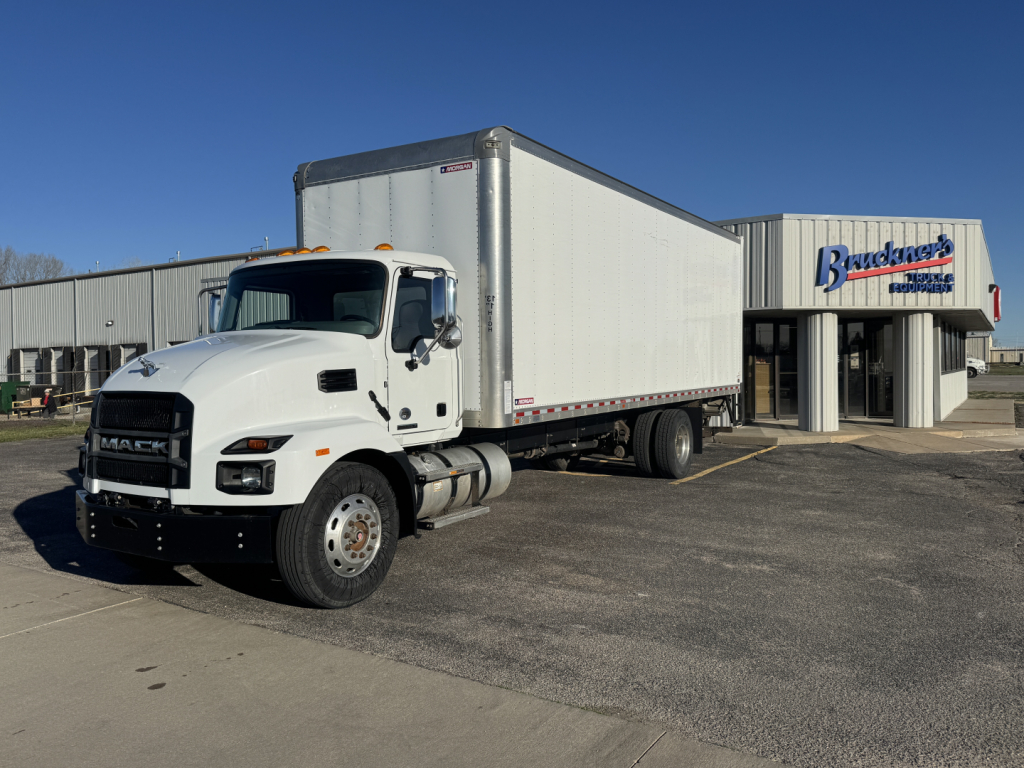
Have box truck to sell? List it here to reach thousands of buyers.
About Box Trucks in Kansas
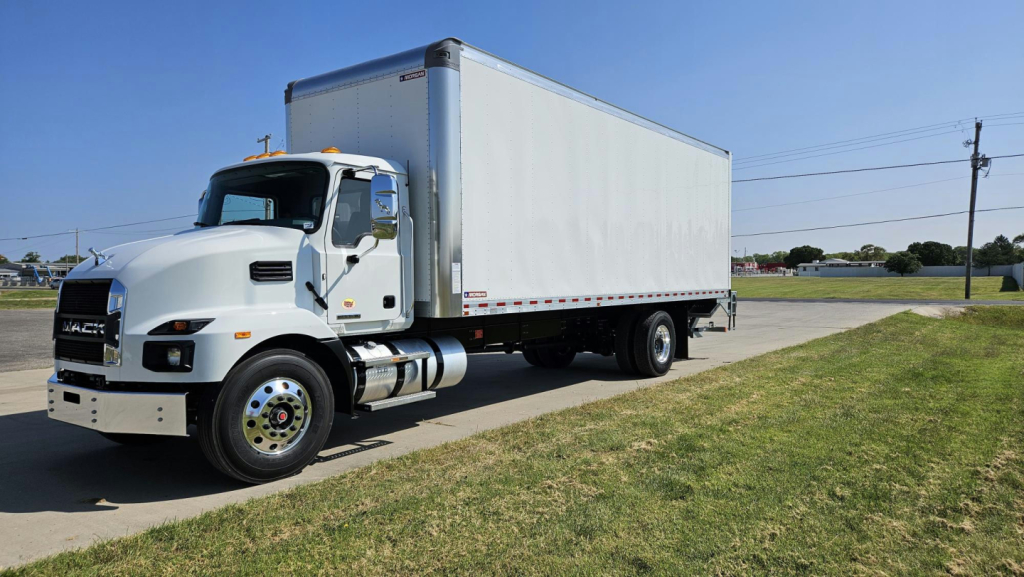
The first buying decision is usually body length and rear access. A 26-foot box maximizes cube for high-volume freight, while shorter bodies can be easier to maneuver in Wichita, Kansas City routes, older loading areas, and tight customer sites. Liftgates matter if your freight is palletized or handled without a dock. Common units in this segment use aluminum or steel tuck-under or rail-style liftgates with capacities around 2,500 to 3,500 pounds. Buyers should also look at floor construction, crossmember spacing, scuff liners, E-track or cargo slats, roof material, door opening height, and forklift rating if dock and warehouse loading is part of the job.
Powertrain choice is typically straightforward in this class. Many box trucks run a medium-duty diesel such as the Cummins B6.7 or ISB6.7 paired with an Allison automatic, a combination favored for stop-and-go reliability and simple driver onboarding. Rear axle ratio, suspension type, and wheelbase have a direct effect on launch feel, ride quality, and turning radius. Air ride rear suspension can help protect fragile cargo and improve ride quality, while spring suspension keeps the truck simple and durable. If the truck will spend most of its life on Kansas highways with frequent starts and stops in metro areas, buyers should compare horsepower, torque, transmission programming, and axle ratings with the actual freight profile instead of just shopping by box length.
Condition and body spec often matter as much as miles. A clean van body with a solid floor, dry roof, straight corners, and a properly functioning roll-up door can save more downtime than a lower-mile truck with a tired body. Check liftgate cycle condition, platform size, corrosion at hinges and mounts, cab-to-body clearance, and signs of water intrusion along the front wall and roof seams. On CDL-sensitive applications, a 25,999-GVWR setup may be the target. On heavier routes, a 26,000-plus GVWR truck with stronger axle capacity and a higher-rated body may be the better long-term choice. The right box truck is the one that matches your freight dimensions, loading method, route density, and driver requirements without forcing daily compromises.
Frequently Asked Questions
What size box truck is best for delivery and moving work?
For many commercial buyers, 24-foot and 26-foot box trucks are the standard because they offer strong cargo volume without moving into a full tractor-trailer setup. A 26-foot body is common for moving, furniture, appliance, and route delivery work where cubic capacity is more important than compact maneuverability. Shorter bodies can be a better fit for dense urban stops, narrow alleys, and operations that prioritize easier parking and tighter turning radius.
Do I need a liftgate on a box truck?
A liftgate is one of the most valuable options when freight is loaded without a dock or forklift. It is especially useful for palletized freight, appliances, vending, medical equipment, and final-mile deliveries. Buyers should match liftgate capacity and platform dimensions to the heaviest and widest freight they handle, because an undersized gate creates daily bottlenecks and safety issues.
What GVWR should I look for in a box truck?
GVWR should be chosen based on payload, driver requirements, and body weight. Some buyers target 25,999 GVWR to stay below common CDL thresholds, while others need a 26,000-plus GVWR chassis to carry heavier loads or support a more robust 24-foot or 26-foot body with liftgate. The important step is calculating real payload after body weight, liftgate weight, fuel, driver, and equipment are included, not just relying on the chassis rating alone.
Are diesel box trucks with Allison automatic transmissions a good choice?
Yes. In the medium-duty box truck market, diesel engines such as the Cummins 6.7 paired with an Allison automatic are widely used because they handle stop-and-go delivery cycles well and are familiar to many service departments. This combination is often preferred for route work, driver turnover environments, and applications where ease of operation and dependable low-speed performance matter more than maximum highway speed.
What should I inspect on a used box truck?
The body and rear access components deserve close attention. Inspect the floor for soft spots or heavy forklift damage, check roof seams and front wall areas for leaks, and make sure the roll-up door tracks, seals, and springs operate correctly. If the truck has a liftgate, inspect the platform, cylinders, pins, wiring, and corrosion around the mounting structure. On the chassis side, review engine hours, transmission operation, suspension wear, brake condition, and whether axle ratings match the truck's intended payload.