
Isuzu Box Trucks For Sale in Washington
Shop Isuzu box trucks in Washington. Compare cab-over dry van models built for urban delivery, regional routes, payload efficiency, and visibility.
Learn more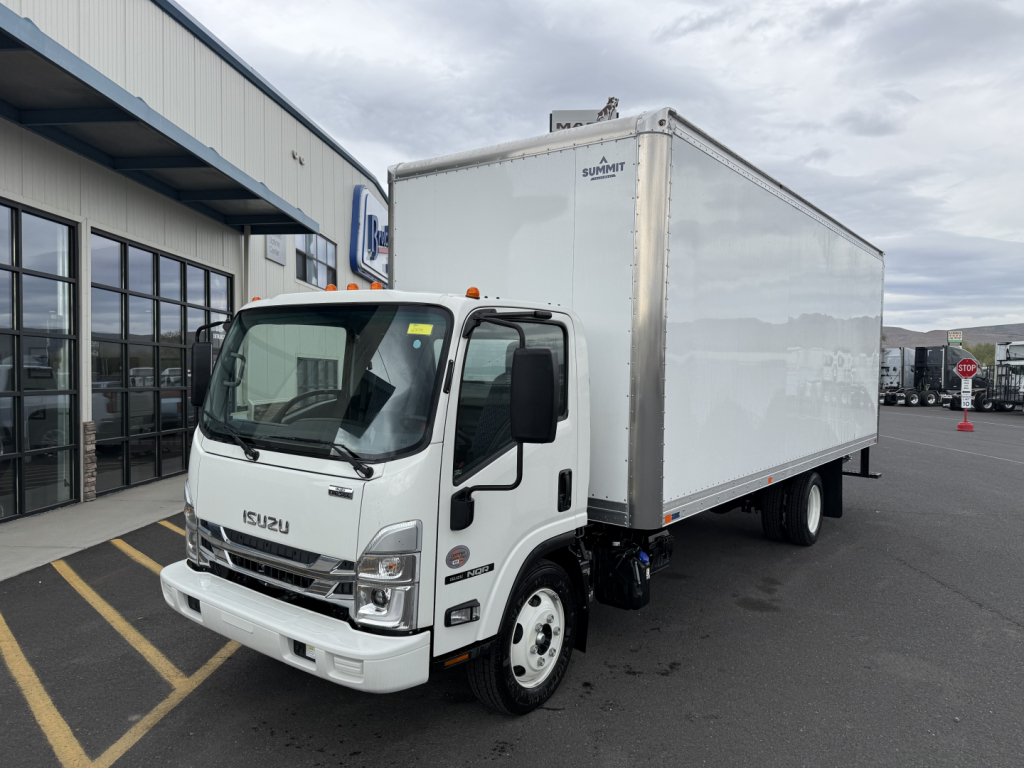
Have isuzu box truck to sell? List it here to reach thousands of buyers.
About Isuzu Box Trucks in Washington
One of the main reasons buyers stay with Isuzu is the chassis layout. Models such as the NPR, NPR-HD, NQR, and NRR are known for a tight turning radius, wide forward visibility, and easier cab access for high stop-count work. Diesel-equipped units often use the 5.2L Isuzu engine paired with an Aisin automatic transmission, a combination valued for predictable operation and good fuel economy in city and regional service. GVWR varies by model, but many buyers in this class are shopping in the range that supports light to medium-duty freight without stepping into a larger truck than the job requires. That can help with driver comfort, route flexibility, and operating cost. If your freight is dense, pay close attention to rear axle rating, body weight, and floor construction so cargo capacity is not eaten up by an overbuilt body.
Body spec matters as much as chassis spec on a box truck. Aluminum dry van bodies help control corrosion and tare weight, which is useful in wet Northwest conditions. Features like translucent roofs improve daytime visibility inside the cargo area, while composite or wood scuff protection helps reduce wall damage from carts, pallet jacks, and shifting freight. A liftgate is often the better choice for appliance, beverage, and palletized delivery, while a long walk ramp can work well for furniture, records storage, and hand-load applications. Buyers comparing listings should also look at door opening height, interior body height, wheelbase, and dock-height compatibility. A truck that fits the route and loading method usually outperforms a bigger truck that is harder to place and slower to unload.
For Washington operators, rust resistance, braking feel in wet conditions, and service access are practical buying points. A clean Isuzu box truck with documented maintenance, straight body lines, and a cargo box free of floor soft spots or severe wall damage is usually worth closer attention than a similar truck with more cosmetic flash. Check for suspension wear, cab entry condition, liftgate cycle history if equipped, and signs of repeated curb contact on wheels and lower body panels. If the truck will run mountain grades or longer regional lanes, confirm horsepower, axle ratio, and loaded cruising expectations before buying. The right Isuzu box truck is not just about fitting freight inside the body. It is about matching chassis rating, body build, and delivery pattern so the truck stays productive over thousands of stops.
Frequently Asked Questions
What Isuzu box truck models are most common for dry van applications?
The most common Isuzu box truck models in this category are the NPR, NPR-HD, NQR, and NRR. These low-cab-forward chassis are widely used for dry freight bodies because they offer strong visibility, a tight turning radius, and practical GVWR choices for city and regional delivery. The right model depends on body length, payload, and how much axle capacity you need once the box, liftgate, ramp, and cargo are all included.
Is an Isuzu box truck a good choice for city delivery routes?
Yes. Isuzu box trucks are well suited for urban delivery because the cab-over design shortens overall vehicle length relative to body size and improves forward sightlines. That makes them easier to place in alleys, loading docks, downtown streets, and retail parking lots. They are especially popular in high stop-count applications where driver entry, turning radius, and maneuverability affect route time every day.
What should I check when comparing Isuzu box truck listings?
Focus on body length, GVWR, wheelbase, rear axle rating, engine and transmission, and the actual body equipment installed. Cargo features such as logistic track, scuff liners, floor type, interior height, roll-up door condition, and liftgate capacity directly affect usability. It is also important to confirm that the body weight does not reduce payload too much for your application. Maintenance records, tire condition, suspension wear, and signs of box damage are key indicators of how the truck was used.
Are aluminum box bodies better for Washington service?
Aluminum bodies are often a strong choice in Washington because they resist corrosion better than heavier steel-intensive builds and can help reduce empty weight. In wet climates and year-round delivery service, that can support longer body life and lower cosmetic deterioration. Buyers should still inspect the rear frame, fasteners, floor crossmembers, and door hardware because corrosion and wear can still appear in high-use areas even on an aluminum body.
How do I choose between a ramp and a liftgate on an Isuzu box truck?
A ramp works well for hand carts, furniture, and lighter rolling freight where simplicity and low maintenance are priorities. A liftgate is usually the better tool for palletized freight, appliances, beverage delivery, and heavier cargo that would be unsafe or inefficient on a ramp. The choice should match your loading method, dock access, average shipment weight, and how often one driver is expected to load or unload without warehouse support.