
Used Ford Box Trucks For Sale in Illinois
Browse used Ford box trucks for sale in Illinois, including common specs, GVWR ranges, body lengths, liftgates, and delivery applications.
Learn more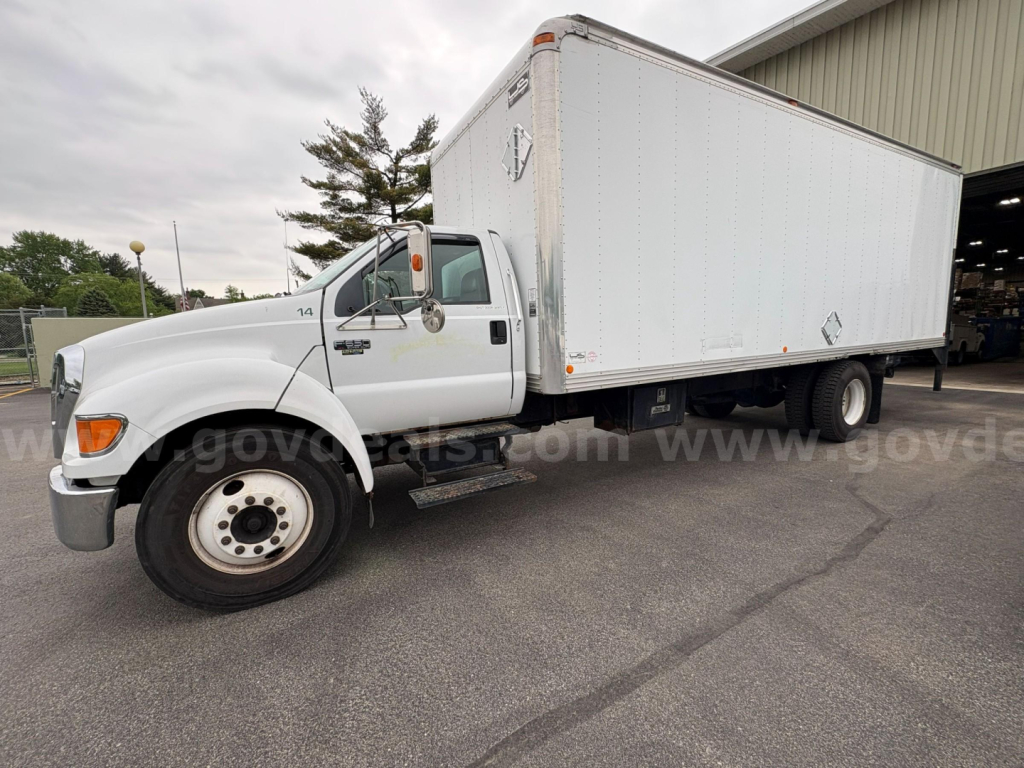
Have used ford box truck to sell? List it here to reach thousands of buyers.
About Used Ford Box Trucks in Illinois
A used Ford box truck in this class may be powered by a diesel or gas engine depending on model year and original vocation. Transmission type, rear axle ratio, and brake configuration all influence how the truck performs in city traffic versus longer regional routes. In Illinois, stop-and-go metro operation around Chicago puts added value on maneuverability, turning radius, cab visibility, and a driveline that has not spent its life overloaded. If the truck will be used for appliance delivery, beverage routes, contractor supply, or final-mile freight, it is worth checking body construction, floor condition, roof integrity, and the state of the liftgate cylinders, chains, and platform. A strong chassis with a tired body can become expensive quickly once leaks, rotten wood subflooring, or door track issues show up.
Ford box trucks are also known as cube trucks, straight trucks, or dry van trucks, depending on the body and application. Cab and chassis specs vary widely, so buyers should confirm wheelbase, body manufacturer, inside box height, and door opening dimensions instead of assuming all units in the same model family are alike. A 24-foot box truck, for example, may be ideal for furniture or general freight but can be less convenient in tight alleys or older commercial districts. If forklift loading is part of the operation, floor height and liftgate rating should match the freight profile. If hand unloading is more common, ease of step-up, grab handle placement, and cargo access can matter just as much as engine power.
On a used truck, service history and signs of vocational abuse are often the deciding factors. Look closely at frame condition, spring and shackle wear, steering play, tire wear patterns, and evidence of water intrusion around marker lights and front cap seams. Check that the box is square, the rear frame extension is sound, and the liftgate cycles smoothly under load. Buyers in Illinois should also pay attention to rust on underbody components and body mounts due to winter road treatment. A well-maintained used Ford box truck can be a cost-effective platform for local and regional hauling, but the best value usually comes from matching the body size, duty rating, and access equipment to the actual freight, not just choosing the lowest upfront price.
Frequently Asked Questions
What should I check first on a used Ford box truck?
Start with the basics that affect daily productivity and repair risk: GVWR, box length, payload capacity, engine and transmission combination, and whether the truck has a working liftgate. After that, inspect the box itself for roof leaks, floor rot, damaged scuff areas, rear door wear, and signs the body is out of square. On the chassis side, pay close attention to frame rust, suspension wear, brake condition, steering looseness, and tire wear patterns. A box truck can look acceptable in photos and still need major body or undercarriage work.
What box length is most common on used Ford medium-duty trucks?
Used Ford box trucks are commonly found with bodies ranging from about 16 to 26 feet, with 24-foot bodies being especially common in delivery and moving applications. The right size depends on freight density, loading method, and route environment. Longer bodies improve cube capacity but can reduce maneuverability in city alleys, dock areas, and older industrial zones. Buyers should verify the actual inside dimensions and rear door opening because two trucks listed with the same body length may still load very differently.
Are Ford box trucks good for local delivery work in Illinois?
Ford box trucks are widely used for local and regional delivery because they are straightforward to spec, broadly supported in the service market, and available in a range of medium-duty chassis ratings. For Illinois operations, they can fit well in parcel, furniture, contractor supply, municipal, and foodservice support roles, especially when the truck is matched to urban stop frequency and payload requirements. The main concern on used units is condition, particularly rust exposure, driveline wear from stop-and-go service, and the condition of the cargo body and liftgate.
Is a liftgate important on a used box truck?
A liftgate is critical if the operation handles palletized freight without guaranteed dock access or if crews regularly deliver heavy items to ground level. It adds versatility, but it also adds another system to inspect and maintain. Buyers should verify the liftgate brand, weight rating, platform size, hydraulic operation, and structural attachment points to the body and frame. A non-working or underrated liftgate can turn a useful delivery truck into a poor fit for the intended job.
What is another name for a Ford box truck?
A Ford box truck may also be called a cube truck, straight truck, dry van truck, or box van depending on the body style and the type of freight being carried. In most commercial listings, these terms refer to a cab-and-chassis truck fitted with an enclosed cargo body rather than a tractor-trailer combination. The exact configuration still matters because body height, body length, door style, and liftgate equipment can vary significantly from one truck to another.