
Chevrolet Box Trucks For Sale in North Carolina
Browse Chevrolet box trucks for sale in North Carolina. Compare GVWR, body length, door types, liftgates, and gas or diesel drivetrain options.
Learn more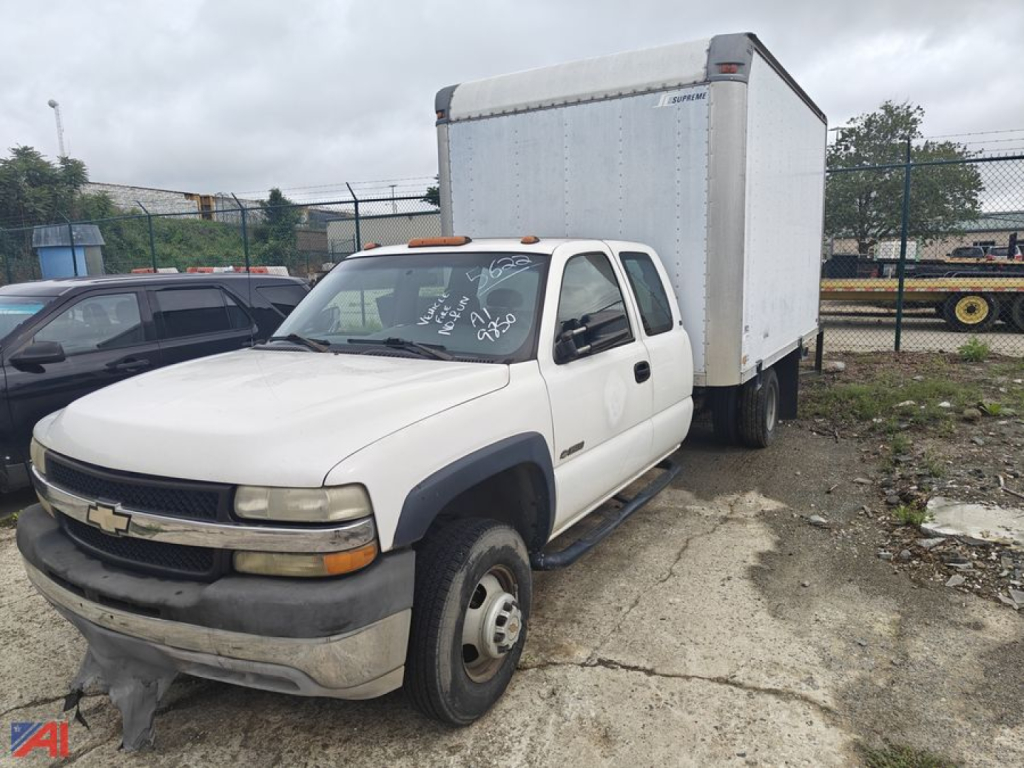
Have chevrolet box truck to sell? List it here to reach thousands of buyers.
About Chevrolet Box Trucks in North Carolina
On used Chevrolet box trucks, the key decision is usually between maneuverability and cube capacity. A shorter wheelbase truck is easier to place in downtown loading zones, residential streets, and multi-stop routes, while a longer box increases usable cargo space for cartons, appliances, and route freight. Buyers should verify interior height, door opening dimensions, floor condition, and whether the body was built for dock loading or ground-level deliveries. Liftgate rating matters if the truck will handle palletized freight, vending equipment, or heavier retail shipments. If the truck is replacing an existing unit, matching cargo length and deck height can prevent route and warehouse issues.
Powertrain and operating cost also matter in this category. Chevrolet box trucks are commonly equipped with gasoline V8 engines in lighter GVWR classes, which can be a practical choice for short-route delivery fleets that want simpler emissions systems and easier cold-start operation. Transmission behavior under load, rear axle ratio, brake condition, and suspension wear are worth checking closely, especially on stop-and-go applications. North Carolina buyers should also pay attention to rust around cab corners, body mounts, step wells, and the lower box structure, along with signs of water intrusion at the roof cap, front wall, and door seals.
A well-matched Chevrolet box truck can be a cost-effective platform for final-mile delivery and vocational hauling where easy service access and familiar parts support are important. The best unit is not just the newest one. It is the truck with the right box length, payload capacity, rear access, and body equipment for the work. For buyers comparing multiple listings, focus on GVWR, body manufacturer, box dimensions, liftgate presence and capacity, engine type, maintenance history, and how the truck was previously used.
Frequently Asked Questions
What should I look for first when buying a used Chevrolet box truck?
Start with GVWR, box length, and actual payload needs. Those three factors determine whether the truck fits the job, stays compliant with licensing requirements, and carries enough cargo without being oversized for the route. After that, inspect the box structure, floor condition, rear door operation, roof seams, liftgate function if equipped, and signs of hard delivery use such as frame rust, suspension fatigue, and cab damage from repeated urban stops.
Are Chevrolet box trucks better for local delivery than long-haul use?
In most cases, yes. Chevrolet box trucks are typically used in local and regional applications such as parcel delivery, retail distribution, moving, contractor support, and municipal service. Their strengths are maneuverability, straightforward serviceability in lighter-duty classes, and body configurations that work well for frequent stops. They are usually not spec'd for the same sustained payload and highway duty cycle as heavier medium-duty straight trucks.
What body features are most important on a box truck?
The right body features depend on cargo type and delivery method. A roll-up rear door is common for dock and route work, while barn doors can help with certain loading situations. Liftgates are important for palletized or heavy deliveries without dock access. Inside the box, E-track, scuff liners, tie-down points, and a solid floor are important for cargo control and body longevity. Door opening height, interior width between walls, and floor-to-ground height should also be confirmed before purchase.
Do Chevrolet box trucks usually have gas or diesel engines?
Many Chevrolet box trucks in lighter duty classes are equipped with gasoline engines, especially on Express and Silverado-based chassis. Gas power can make sense for fleets running shorter daily miles, lighter payloads, and urban routes where lower upfront cost and simpler maintenance are priorities. Diesel may be found in some configurations, but the actual value depends on route length, load profile, service history, and emissions-system condition.
How do I compare one Chevrolet box truck listing to another?
Compare the trucks by intended use, not just year or odometer reading. Confirm GVWR, wheelbase, box length, interior height, body manufacturer, rear door style, liftgate capacity, engine and transmission combination, axle ratio if available, and maintenance records. A truck with the right body spec, cleaner understructure, and better service history can be the stronger buy even if it is older than another listing.