
Truck Body Only - Other Truck Parts For Sale in Florida
Shop truck body only parts including specialty and replacement bodies. Compare dimensions, material, mounting needs, and application fit.
Learn more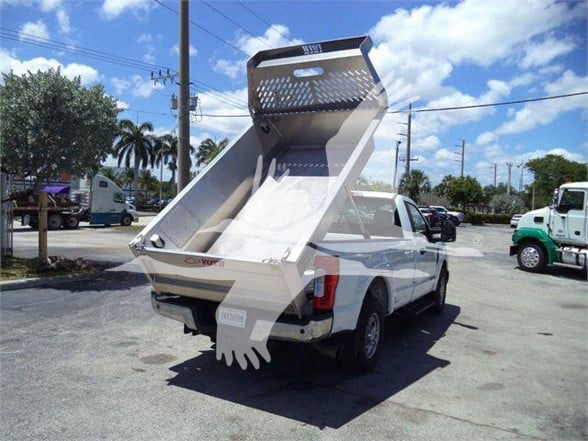
Have truck body only - other truck part to sell? List it here to reach thousands of buyers.
About Truck Body Only - Other Truck Parts in Florida
A body-only purchase has to match the truck it is going on. Key measurements include body length, cab-to-axle, frame width, overall width, floor height, and overhang. Mounting style matters just as much as dimensions. Check crossmember spacing, sill design, subframe condition, hoist compatibility if applicable, and whether the body was removed from a single-rear-wheel, dual-rear-wheel, medium-duty, or cab and chassis platform. If the body includes doors, compartments, liftgates, ramps, tarp systems, headache racks, or PTO-driven equipment, verify what is present and what still needs to be sourced before installation.
Condition should be judged beyond paint and panel appearance. Look for floor wear, cracked welds, rust at mounting points, hinge and latch wear, water intrusion, delaminated panels on van bodies, and damage around corners or rear thresholds. On work bodies, inspect compartment shelves, door seals, scuff liners, tie-down points, and any signs of overloading. Electrical components such as marker lights, strobes, backup cameras, and liftgate controls should be checked for completeness because replacement harness work can add cost fast. If the body is intended for a rebuild or repower, confirm title and VIN requirements in your state when the body includes identifying tags from the original truck.
The best value in this category comes from matching the body to the job before comparing price. A contractor may prioritize compartment layout and payload, while a delivery operation may care more about cube, door configuration, and dock-height access. Buyers replacing a damaged body should also compare the cost of frame adaptation, paint, and installation labor against buying a complete truck. A well-matched truck body only setup can extend the service life of a chassis, reduce upfit lead time, and put a specialized truck back to work faster than a ground-up build.
Frequently Asked Questions
What does truck body only mean?
Truck body only means the sale typically includes the vocational or cargo body without the truck chassis, cab, engine, or drivetrain. The buyer is usually sourcing a replacement body, transferring it to another chassis, or using it in a rebuild or custom upfit project. Exact inclusions vary, so it is important to confirm whether mounting hardware, lights, liftgates, hoists, ramps, PTO components, and accessories are part of the sale.
How do I know if a truck body will fit my chassis?
Fit starts with body length and cab-to-axle measurement, but buyers also need to verify frame rail width, axle placement, overhang, overall height, and mounting method. Crossmember spacing, subframe design, suspension clearance, fuel tank location, and rear tire configuration can all affect compatibility. On medium-duty and vocational trucks, improper body-to-chassis matching can create expensive fabrication work, so dimensions should be confirmed before purchase.
What should I inspect on a used truck body?
Inspect the floor, crossmembers, mounting points, hinges, latches, seals, and structural welds first. Look for corrosion, cracked welds, bent rails, water intrusion, patched panels, and wear around high-stress areas such as rear thresholds and door openings. If the body includes electrical or hydraulic components, check wiring condition, connector integrity, cylinder leaks, pump operation, and whether controls are complete and functional.
Are aluminum truck bodies better for Florida use?
Aluminum bodies are often attractive in Florida because they resist corrosion better than untreated steel and can reduce overall weight. That said, aluminum is not automatically the best choice for every application. Heavy-impact vocational use may still favor steel in certain areas, and mixed-material bodies need close inspection for galvanic corrosion where dissimilar metals meet. The right choice depends on payload, duty cycle, and exposure to salt air or coastal conditions.
Is it cheaper to buy a truck body only instead of a complete truck?
It can be, especially when the existing chassis is mechanically sound and the goal is to replace a damaged, worn, or outdated body. The savings depend on installation labor, paint work, wiring, hydraulic integration, and any frame modifications required to make the new body fit correctly. Buyers should compare the full installed cost against the price and downtime associated with replacing the entire truck.