
Truck Parts For Sale Near Sparrow Bush, New York
Browse truck parts for sale in Sparrow Bush, New York, including used heavy-duty components for engines, cabs, drivelines, suspension, and more.
Learn more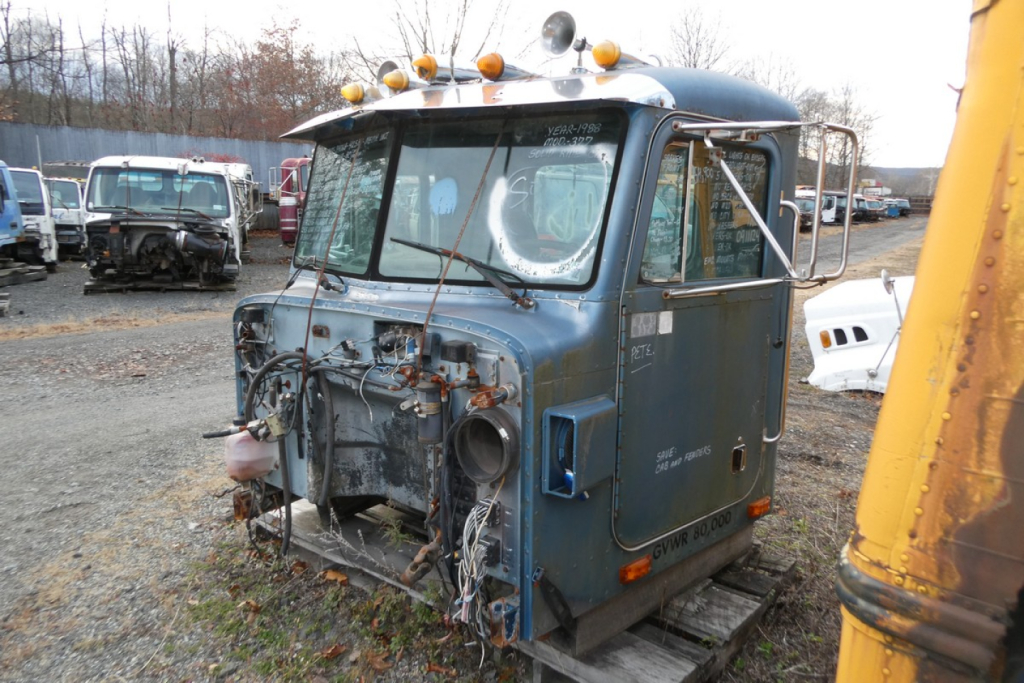
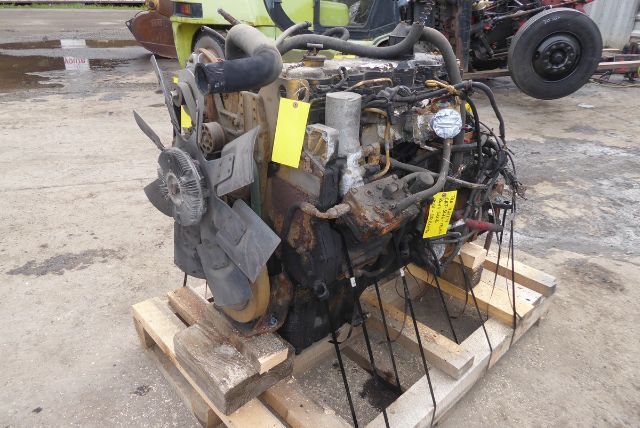
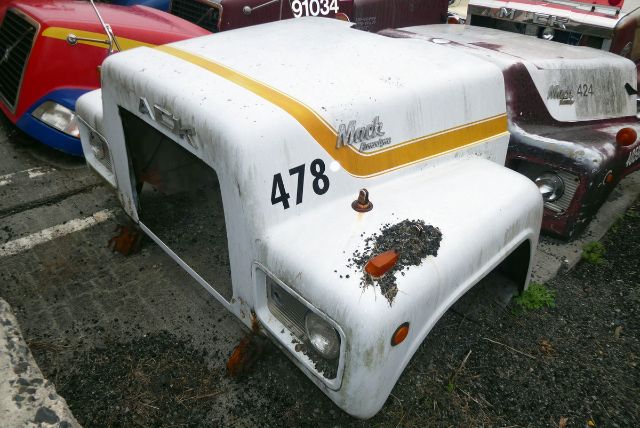
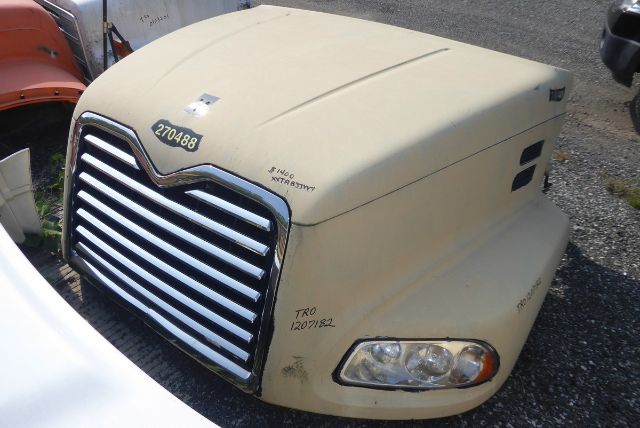
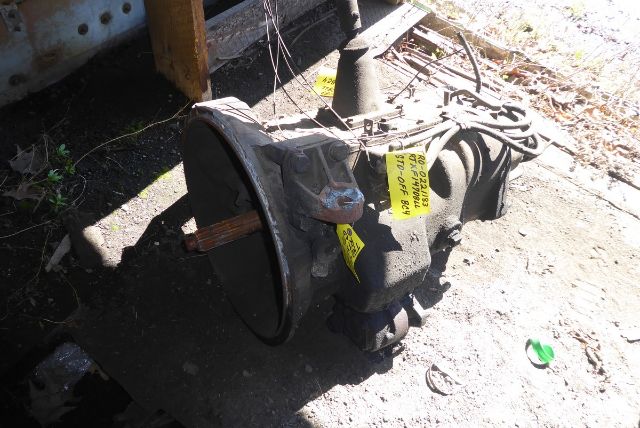
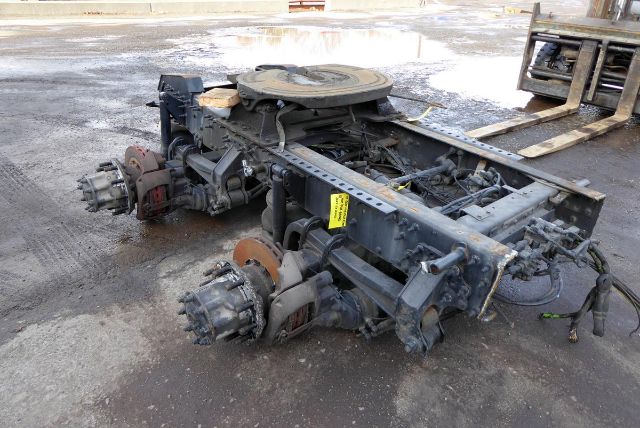
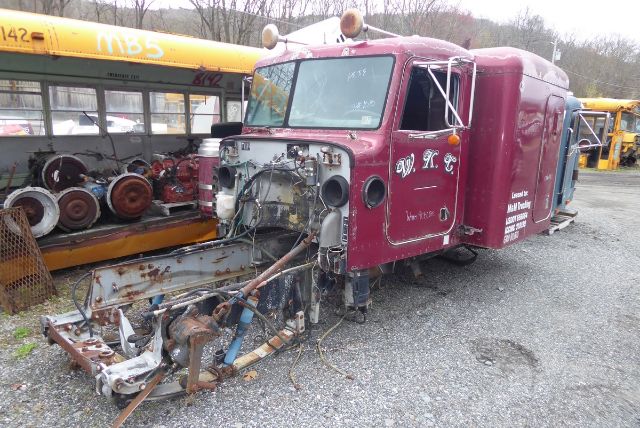
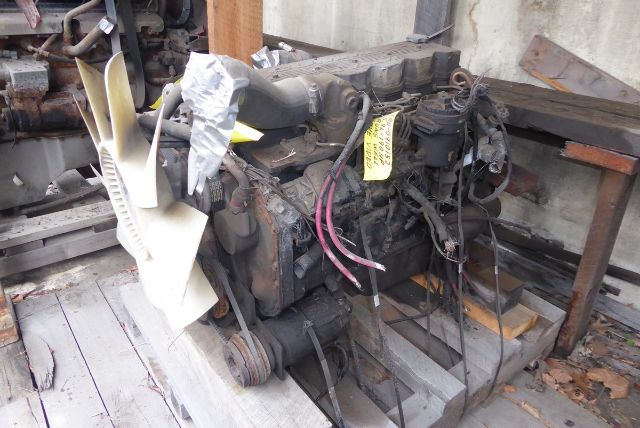
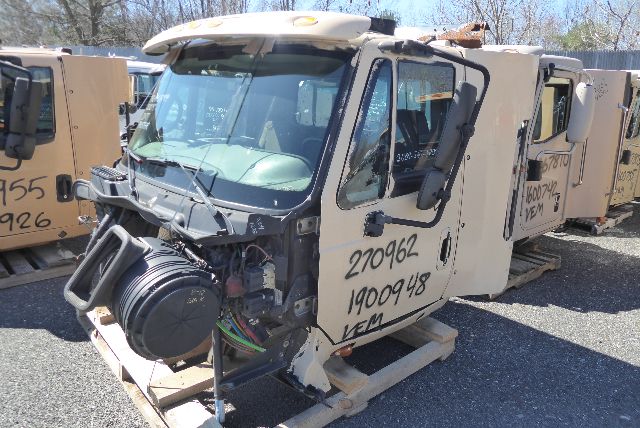
Have truck part to sell? List it here to reach thousands of buyers.
About Truck Parts Near Sparrow Bush, New York
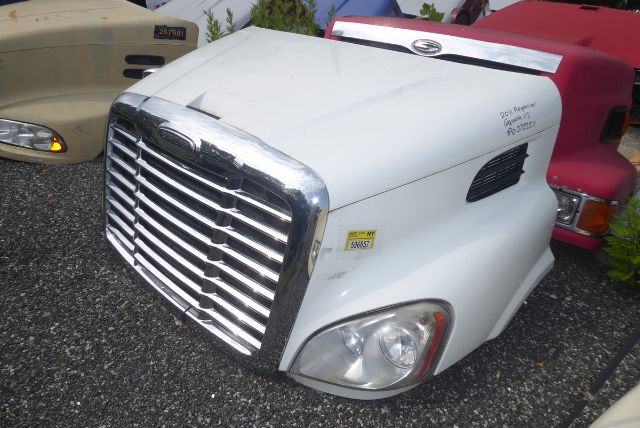
Fitment matters more than the part label. A cab, hood, or bumper may look right and still differ by mounting points, wheelbase configuration, hood length, set-forward or set-back axle layout, or emissions package. On powertrain parts, buyers should confirm engine family, CPL, horsepower rating, transmission model, rear ratio, yoke type, and electronic compatibility before buying. For body and interior pieces, details like sleeper size, dash revision, bracket style, door shell design, and VIN-specific changes can make the difference between a direct swap and a time-consuming rework. If the part is coming from a donor truck, it is smart to ask whether it was removed from a running unit, a wrecked truck, or a long-term parked chassis.
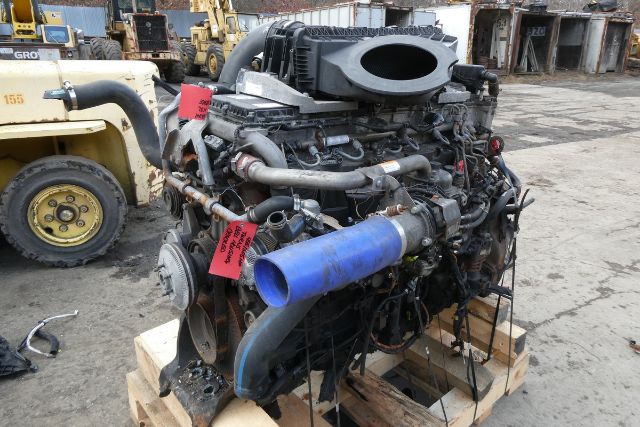
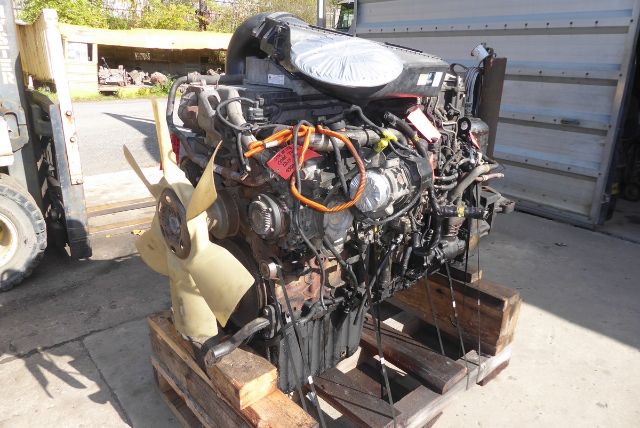
Condition is the next big filter. Used truck parts are often sold as complete assemblies, cores, or take-offs, and each carries a different risk profile. A complete take-out engine or transmission may offer better value if documentation includes mileage, running videos, oil sample history, or prior repair records. Sheet metal, cabs, and other structural parts should be checked for corrosion, previous repairs, stress cracks, and hidden damage around mounts and hinges. Suspension and steering parts need close attention to bushing wear, kingpin movement, housing damage, and any signs of impact. Electrical and emissions parts deserve extra scrutiny because sensor faults, software mismatches, and connector damage can quickly erase any upfront savings.
For buyers in Sparrow Bush, New York, and the broader Northeast, rust exposure and winter road treatment are worth factoring into any used parts decision. Frame-related pieces, cab floors, battery box supports, crossmembers, and brackets can look serviceable in photos but still have scale or corrosion that affects long-term use. The best truck part purchase is not simply the lowest-priced listing. It is the part with the right casting number, serial match, condition history, and compatibility for the truck you are trying to return to work.
Frequently Asked Questions
What information should I match before buying a used truck part?
Start with the truck’s VIN, OEM part number, and any visible casting or tag numbers on the component being replaced. For engines and aftertreatment parts, confirm the engine serial number, emissions family, horsepower rating, and sensor or wiring configuration. For transmissions, axles, cabs, and body parts, verify model designation, mounting style, ratios, dimensions, and revision differences. A part described generally as fitting a certain make and model is not enough for many heavy-duty applications.
Are used truck parts a good option for heavy-duty repairs?
Used truck parts can make excellent sense when the component is expensive new, the truck is older, or downtime matters more than buying a factory-fresh assembly. The key is to buy based on condition and verification, not just price. A documented take-off part from a running donor truck is usually a safer purchase than an untested assembly with no background. Buyers should still account for inspection, seals, fluids, calibration, and any labor needed to install and test the part.
What should I look for when buying a used cab or body part?
Focus on structural integrity first. Check for rust, collision repairs, cracked mounting areas, hinge wear, floor damage, and alignment issues around doors and panels. Cosmetic flaws are usually manageable, but hidden damage around mounts, cab corners, roof seams, and support structures can turn a simple replacement into a fabrication project. Interior completeness also matters because missing trim, seats, dash components, or wiring can add cost quickly.
How do I evaluate a used engine or transmission assembly?
Ask for as much background as possible on the donor truck and the component itself. Useful information includes mileage, service records, fault code history, compression or blow-by observations, fluid condition, and whether the truck was running before disassembly. On transmissions, confirm model number, shift type, PTO provisions, and any controller requirements. On engines, verify serial number, emissions equipment compatibility, and whether key accessories are included or removed.
Why do truck part listings often say whole or for parts?
That phrase usually means the seller may offer either the complete donor truck or individual components removed from it. This can be valuable for buyers looking for discontinued or model-specific parts because a single donor unit may supply matching cab, chassis, drivetrain, and interior pieces. It also helps when multiple related components are needed from the same truck, which can reduce fitment issues compared with sourcing each part from a different donor.