
Used Rears Truck Parts For Sale
Used rear truck parts for sale, including housings, differentials, axle shafts, carriers, hubs, and brake components for common drive axles.
Learn more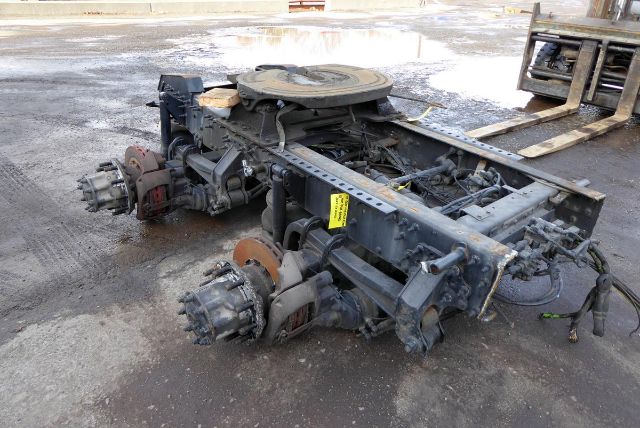
Have used rears truck part to sell? List it here to reach thousands of buyers.
About Used Rears Truck Parts
For differential and carrier sections, ratio verification is critical. Common on-highway drive axle ratios are selected around route profile, gross weight, transmission gearing, and tire size, so an exact match helps avoid driveline mismatch and uneven performance in tandem systems. Buyers should also confirm manufacturer and model family, such as Meritor, Dana Spicer, Eaton, or Mack applications, along with locker or power divider compatibility where applicable. On used rear housings and complete assemblies, check for straightness, weld repairs, cracks around suspension seats, worn cam tube areas, damaged spindle ends, and signs of overheating. If the axle is from a truck with air ride, walking beam, or other suspension layouts, bracket placement and fitment should be reviewed closely.
Brake and hub-related rear parts also deserve careful inspection because wear points add up fast. Drum brake rears may involve backing plates, S-cam components, slack adjuster connections, and wheel-end hardware, while disc brake setups require caliper mounting compatibility and rotor condition. Wheel seal surfaces, bearing journals, hub pilot condition, and ABS tone ring or sensor locations should all be checked before purchase. If the goal is a quick return to service, many buyers prefer rear parts that can be cross-referenced by axle tag, casting numbers, and takeout measurements instead of relying on visual similarity alone.
Used rears can be a practical option for fleets, owner-operators, and repair shops trying to control repair costs on older trucks or vocational applications. They are commonly sourced for highway tractors, dump trucks, day cabs, heavy haul units, and other equipment where the original axle specification still matters. A good used rear component can extend service life at a lower cost than new, but it pays to verify ratio, axle capacity, brake configuration, hub style, and OEM compatibility before installation. For buyers comparing listings, the strongest options are the ones with clear axle identification, complete fitment details, and enough inspection information to reduce guesswork.
Frequently Asked Questions
What should I match first when buying a used rear truck part?
The first items to match are the axle manufacturer, axle model, gear ratio, and capacity rating. After that, confirm brake type, hub style, ABS provisions, spline count, and whether the part came from a single or tandem-drive axle setup. These details determine interchangeability far more reliably than appearance alone.
Can I install a rear differential or carrier with a different ratio than my current setup?
A different ratio is usually a problem, especially in tandem-drive applications where both axles must work together correctly. Running mismatched ratios can cause driveline bind, abnormal tire wear, and rapid component failure. The safe approach is to verify the exact ratio from the axle tag, build sheet, or gear count before installation.
Are used rear axle housings worth buying?
Used rear axle housings can be a cost-effective repair if the housing is straight, free of cracks, and correct for the truck’s suspension and wheel-end configuration. Buyers should inspect bracket locations, spindle ends, cam tube areas, and any prior weld repairs. A housing that saves money upfront but requires fabrication or additional machine work can erase the value quickly.
What brands are common in the used rears category?
Common brands include Meritor, Eaton, Dana Spicer, Mack, and other OEM-specific axle families used in highway and vocational trucks. The exact interchange depends on the axle model and spec, not just the brand name. Casting numbers, axle tags, and part numbers are the best way to confirm compatibility.
What information in a listing helps confirm a used rear part will fit?
The most useful listing details are the axle tag information, part number, ratio, capacity, brake type, hub or wheel-end style, and measurements where applicable. Photos of casting numbers, sensor locations, and mounting points also help. Listings with complete identification data reduce the risk of ordering a part that looks correct but does not install correctly.