
Used Headache Rack Truck Parts For Sale
Browse used headache rack truck parts built to protect the cab, secure accessories, and support chain, binder, and hose storage.
Learn more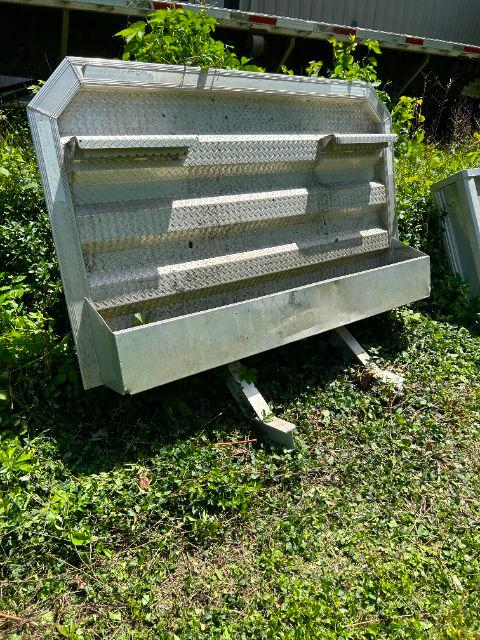
Have used headache rack truck part to sell? List it here to reach thousands of buyers.
About Used Headache Rack Truck Parts
Configuration matters as much as material. Some headache racks are simple protective panels, while others include chain trays, binder racks, winch bar holders, dunnage storage, tool compartments, light boxes, and headache rack cabinets. For a flatbed operation, storage layout can make a major difference in daily efficiency because chains, straps, edge protectors, and tarping gear need to be secure but easy to reach. Buyers should confirm overall width, height above frame, and cab clearance, along with how the rack mounts to frame brackets, deck plates, or existing tractor hardware. On used truck parts, missing brackets, cut-off mounts, damaged doors, and seized latches are common details that affect installation time and total cost.
Fitment is critical because a headache rack has to work with the truck's back-of-cab dimensions, airlines, electrical lines, and any catwalk or deck plate already installed. On sleeper tractors, rear-window and fairing clearance should be measured carefully. On day cabs, access to lines and connections may drive the decision between a low-profile rack and a full storage model. Many buyers also look for integrated work lights, beacon mounts, or pre-wired lighting provisions for night loading and roadside visibility. If the rack includes chain hangers or enclosed cabinets, inspect hinges, latch mechanisms, weather seals, and floor panels for wear. A clean used headache rack can still deliver long service life if the structure is straight and the mounting system matches the tractor.
Used headache rack truck parts appeal to fleets and owner-operators who want the function of a new rack without new-equipment pricing. The best value usually comes from a rack with solid structural condition, usable storage components, and dimensions that match the intended tractor with minimal fabrication. For vocational and open-deck work, a headache rack is more than a cosmetic add-on. It protects the cab, keeps securement gear organized, and helps the truck stay job-ready between loads.
Frequently Asked Questions
What is a headache rack on a truck?
A headache rack is a protective structure mounted directly behind the cab, usually on a tractor used for flatbed or vocational hauling. Its main purpose is to help protect the cab from shifting cargo and to provide storage for chains, binders, straps, winch bars, and related equipment. Many operators also refer to it as a cab guard.
What should I inspect on a used headache rack before buying?
The most important areas to inspect are the main frame, welds, mounting points, and storage components. Look for bent sections, cracked welds, corrosion, damaged doors, worn hinges, bad latches, and missing brackets. If the rack has taken an impact, even minor distortion can create mounting and clearance issues when installed on another truck.
Are aluminum or steel headache racks better?
Aluminum headache racks are popular when weight savings and corrosion resistance are priorities. Steel headache racks are often chosen for severe-duty applications where maximum ruggedness is preferred. The better choice depends on the truck's application, payload sensitivity, climate, and how much exposure the rack will have to road salt, chains, and daily abuse.
Will a used headache rack fit any tractor?
No. Fit depends on back-of-cab dimensions, frame and bracket spacing, deck plate setup, airline routing, and sleeper or fairing clearance. Before buying, measure width, height, mounting style, and available clearance behind the cab. A used rack can be a good value, but fitment problems can quickly add fabrication costs.
Why do flatbed operators use headache racks with storage?
Storage-equipped headache racks keep cargo securement gear organized, protected, and easy to access. Chains, binders, straps, edge protectors, and bars are heavy, dirty, and awkward to store loose on the truck. A well-designed rack improves workflow, reduces clutter on the catwalk or deck plate, and helps drivers keep essential gear secured between loads.