
Engine Truck Parts For Sale in New York
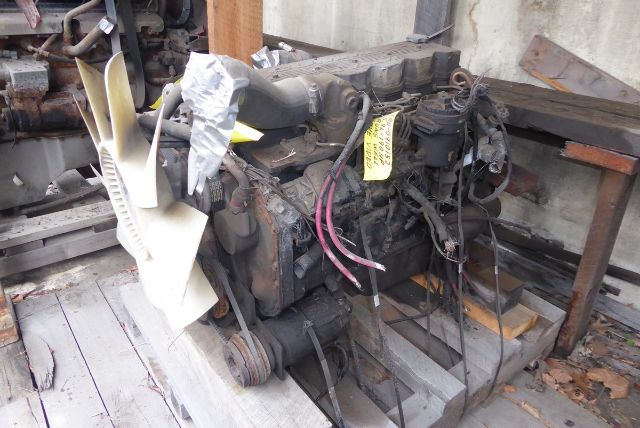
Shop engine truck parts for heavy-duty diesel applications, including core components, fuel, air, cooling, and emissions system parts.
Learn more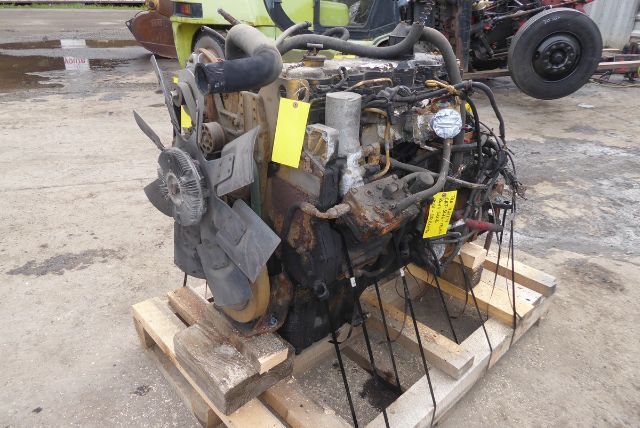
Have engine truck part to sell? List it here to reach thousands of buyers.
About Engine Truck Parts in New York
The first decision is typically OEM versus aftermarket, followed by new, remanufactured, or take-off condition. For fleets and owner-operators trying to control downtime, that choice comes down to application, warranty expectations, and how long the truck is expected to stay in service. A new turbo, injector set, or oil cooler may make sense on a late-model linehaul tractor with emissions compliance requirements, while a reman cylinder head or accessory component can be a practical fit for a vocational truck or older regional unit. In New York, where trucks often see stop-and-go traffic, cold starts, idling, and strict emissions scrutiny, cooling system parts, fuel system components, aftertreatment-related engine sensors, and gasket sealing surfaces deserve extra attention.
Fitment details matter because many heavy-duty engines changed by emissions year, horsepower rating, and calibration package. Buyers should verify engine model, serial number, casting numbers, sensor style, connector type, and any superseded part numbers before ordering. It also helps to confirm whether a part is configured for EPA 2007, EPA 2010, or later emissions systems, especially when dealing with EGR valves, intake components, wiring pigtails, DPF-related sensors, or variable geometry turbo hardware. For internal engine parts, look closely at oversize or undersize specifications, liner flange dimensions, bearing sizes, and whether the component is intended for an in-frame rebuild or a complete out-of-frame overhaul.
A strong engine parts listing should tell you more than the basic part name. Good listings identify the engine platform, condition, brand, casting or reference number, and any included hardware or core charge details. Photos should show machined surfaces, ports, connectors, housings, and tag information where applicable. For buyers comparing multiple listings, the real value is in finding parts that reduce installation surprises and get the truck back to work with the right balance of cost, durability, and compatibility.
Frequently Asked Questions
How do I make sure an engine truck part will fit my diesel engine?
The safest way to confirm fitment is by matching the part to the engine serial number, CPL, arrangement number, or OEM part number, not just the truck brand or model. Heavy-duty engines often use different sensors, turbochargers, fuel components, and internal parts within the same engine family depending on emissions year, horsepower rating, and calibration. Casting numbers, connector style, and superseded part numbers should also be checked before purchase.
Is new or remanufactured better for engine truck parts?
It depends on the repair and the service life expected from the truck. New parts are often preferred for critical components such as injectors, sensors, turbochargers, and emissions-related hardware where exact performance and warranty support matter most. Remanufactured parts can be a cost-effective option for components like cylinder heads, starters, alternators, and some fuel system parts if they come from a reputable source with clear rebuild standards and warranty terms.
What engine parts are most commonly replaced on heavy-duty trucks?
Frequently replaced engine truck parts include water pumps, thermostats, injectors, turbochargers, EGR valves, sensors, oil coolers, fan clutches, gasket sets, belts, tensioners, and starter or charging components. On higher-mileage engines, buyers also commonly look for cylinder heads, liners, pistons, bearings, camshaft components, and complete overhaul kits. The mix depends on duty cycle, maintenance history, and whether the truck is used in linehaul, regional, or vocational service.
Why do emissions year and EPA rating matter when buying engine parts?
Emissions year affects the design of many engine components, especially air management, fuel delivery, sensors, EGR hardware, and turbo systems. A part that fits one version of an engine may not work on another if the truck was built to a different EPA standard. Confirming EPA 2007, EPA 2010, or later configuration helps avoid compatibility issues with electronics, aftertreatment communication, and engine calibration.
What should I look for in a used or take-off engine part listing?
A useful listing should show the exact part number, engine application, condition, and clear photos of key surfaces, connectors, ports, and tags. Buyers should look for signs of cracks, corrosion, damaged threads, worn housings, heat discoloration, or missing hardware. For rotating or pressurized components such as turbochargers, pumps, and accessory drives, mileage or operating history can also help judge remaining service life.