
2024 Truck Parts For Sale
Shop 2024 truck parts including cabs, dump bodies, flatbeds, and body components. Compare materials, fitment, specs, and applications.
Learn morePopular Truck Parts Categories
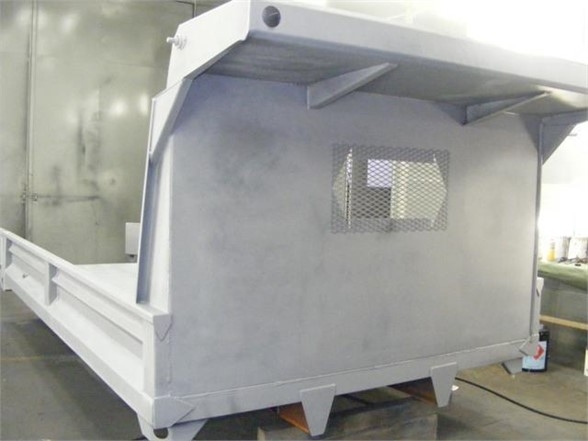
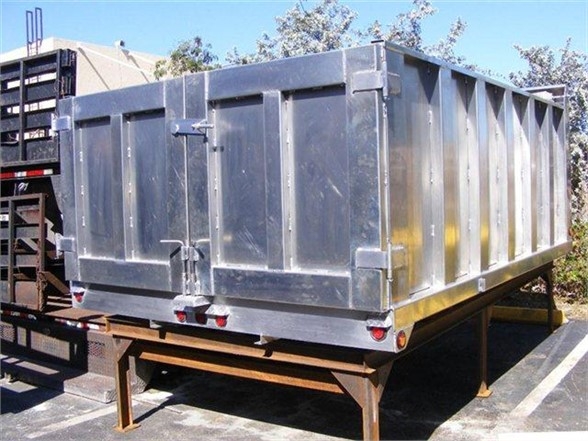
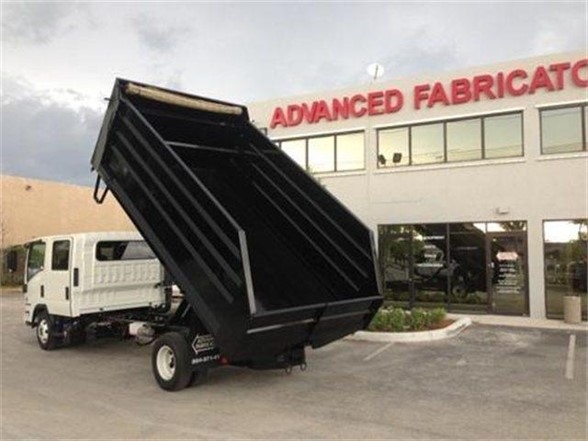
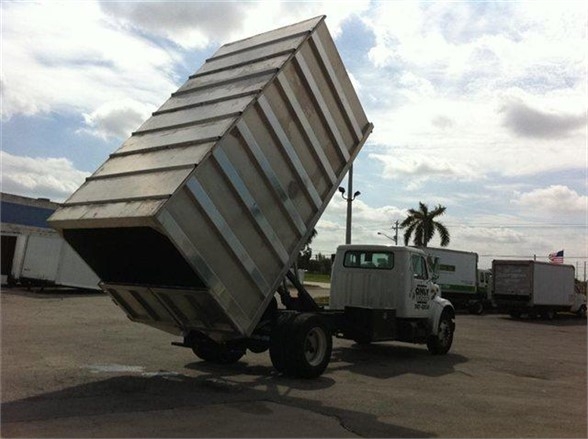
Have 2024 truck part to sell? List it here to reach thousands of buyers.
About 2024 Truck Parts
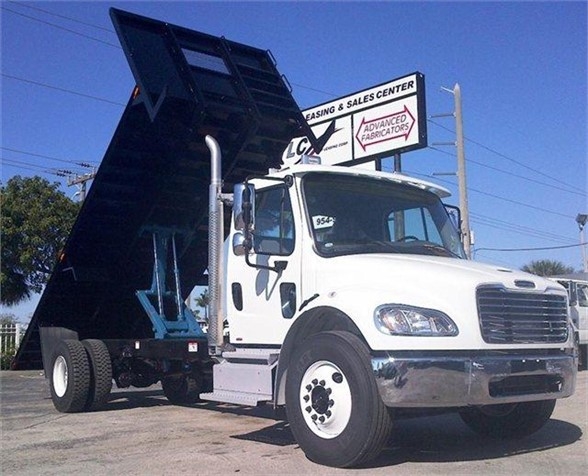
Body-only truck parts from 2024 are commonly built in steel or aluminum, and that material choice drives both payload and durability. Steel flatbeds and dump bodies usually appeal to contractors hauling dense material, equipment, or pallets where impact resistance matters more than tare weight. Aluminum dump bodies, chipper bodies, and trash bodies are popular when corrosion resistance and payload are the priority. Buyers should look closely at floor thickness, crossmember spacing, longsill design, side wall height, bulkhead construction, barn door or tailgate setup, and hoist type. A dump body with 3/16-inch plate, crossmembers on 12-inch centers, reinforced longsills, and a properly matched electric-over-hydraulic or PTO-driven hoist will perform very differently from a lighter-duty build intended for brush, chip, or municipal collection work.
Cab assemblies and take-off parts are another major part of the truck parts market. A replacement cab, also called a cab shell or cab assembly, can be a cost-effective route when the chassis and drivetrain are still worth keeping in service. The details matter here too: suspension type such as air ride or solid mount, interior completeness, seat and dash condition, door hardware, glass, and mirror brackets can change the real installation cost. On used parts, buyers should inspect for corrosion at cab mounts, firewall damage, previous repairs, and VIN or emissions-related compatibility if the donor and recipient trucks differ by model year or engine package. On vocational body parts, lighting compliance, mud flap brackets, ICC bumper placement, hitch equipment, tarp systems, and backup alarm integration are all worth confirming before purchase.
The best 2024 truck parts listings are the ones that give enough dimensional and application detail to match the part to the job. For dump and platform bodies, that means length, width, side height, composition, bulkhead height, and hoist specs. For cabs and structural take-offs, it means mounting points, completeness, and any missing components. Buyers comparing truck parts for sale should think beyond the purchase price and account for installation labor, paint work, wiring, hydraulic plumbing, and downtime. A correctly spec’d body or replacement assembly can extend the useful life of a truck, improve payload, and put a chassis back into revenue service faster than a full truck replacement.
Frequently Asked Questions
What should I verify before buying a 2024 truck body or major truck part?
Start with chassis compatibility. Confirm cab-to-axle or cab-to-trunnion dimensions, frame width, wheelbase, axle ratings, and rear overhang requirements. If the part is a dump body or other hydraulic upfit, verify PTO availability, transmission compatibility, hoist capacity, and hydraulic component needs. Electrical integration is just as important, including lighting, backup alarm circuits, trailer plug wiring, and any body controller requirements. On cabs and used assemblies, check mounting points, completeness, and whether any missing items such as seats, mirrors, or interior components will add cost after purchase.
Is steel or aluminum better for a dump body or flatbed truck body?
Steel is generally better for severe-duty applications where the body takes repeated impact from rock, demo debris, equipment, or pallets. It is heavier, but it typically offers strong resistance to abuse and can be easier to repair in hard-use environments. Aluminum is lighter and resists corrosion well, which helps maximize payload and makes sense for chip, trash, municipal, and many landscape applications. The right choice depends on what the truck hauls every day, local corrosion conditions, and how important payload is relative to body toughness.
How do I choose the right hoist setup for a dump body?
The hoist needs to match both the body design and the material being hauled. Electric-over-hydraulic systems can be a practical choice for certain medium-duty applications and can simplify installation, while PTO-driven hydraulic systems are common when heavier and more frequent dumping is expected. Buyers should compare hoist type, cylinder configuration, lift capacity, body length, hinge placement, and the truck’s transmission and PTO provisions. A mismatch between hoist and application can reduce dump performance, shorten component life, or create stability issues under load.
Are complete cabs a practical alternative to replacing the truck?
Yes, in many cases a replacement cab is a practical repair strategy when the chassis, engine, and drivetrain are still sound. It can be more economical than retiring an otherwise serviceable truck, especially on vocational units with expensive upfits. The key is to evaluate the true swap cost. A cab that appears affordable may still need glass, interior trim, seats, mirrors, wiring repairs, or paint work. Buyers should also confirm compatibility with the truck’s model year, emissions package, and mounting configuration so the project does not turn into a long downtime event.
Why do dimensional details matter so much on truck parts listings?
Dimensional details determine whether a part will fit the truck and perform as intended once installed. On bodies, length, width, side height, bulkhead height, crossmember spacing, and longsill design affect frame fit, load support, and legal equipment placement. On cabs, mount location, suspension type, and assembly completeness affect labor hours and parts sourcing. A listing with clear dimensions and construction details gives a buyer a much better chance of avoiding fabrication surprises, compatibility issues, and extra expense after the part arrives.