
Transcraft Flatbed Trailers For Sale in Colorado
Browse Transcraft flatbed trailers with common specs, combo and all-aluminum designs, California-legal options, and hauling insights.
Learn more
Have transcraft flatbed trailer to sell? List it here to reach thousands of buyers.
About Transcraft Flatbed Trailers in Colorado
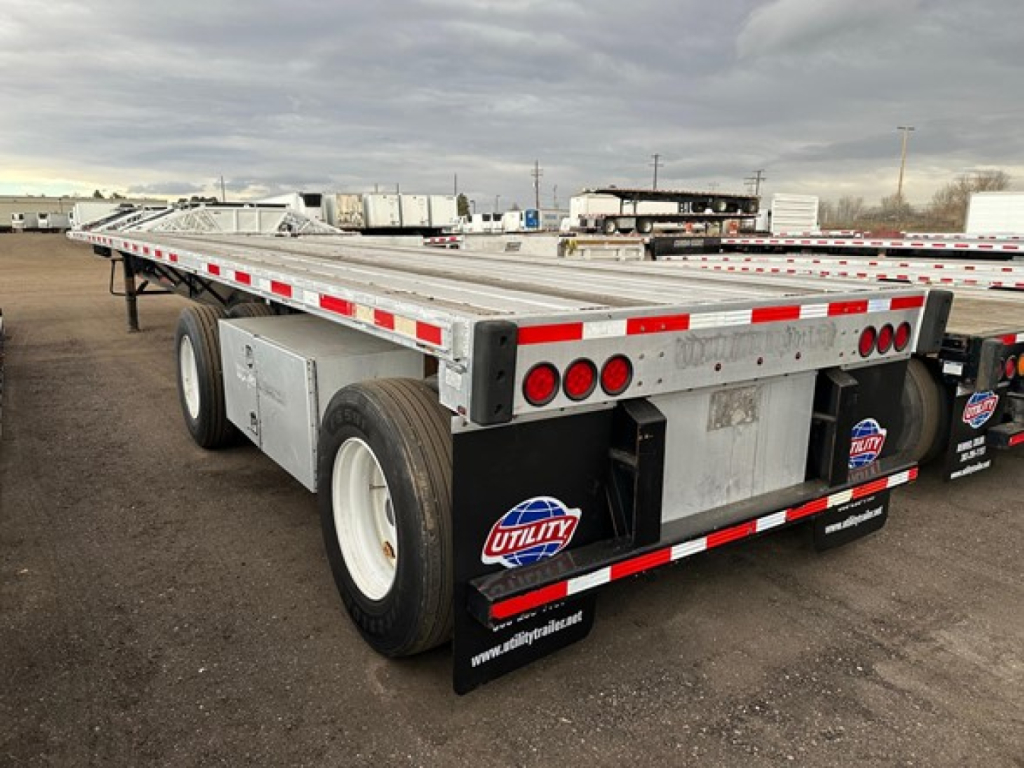
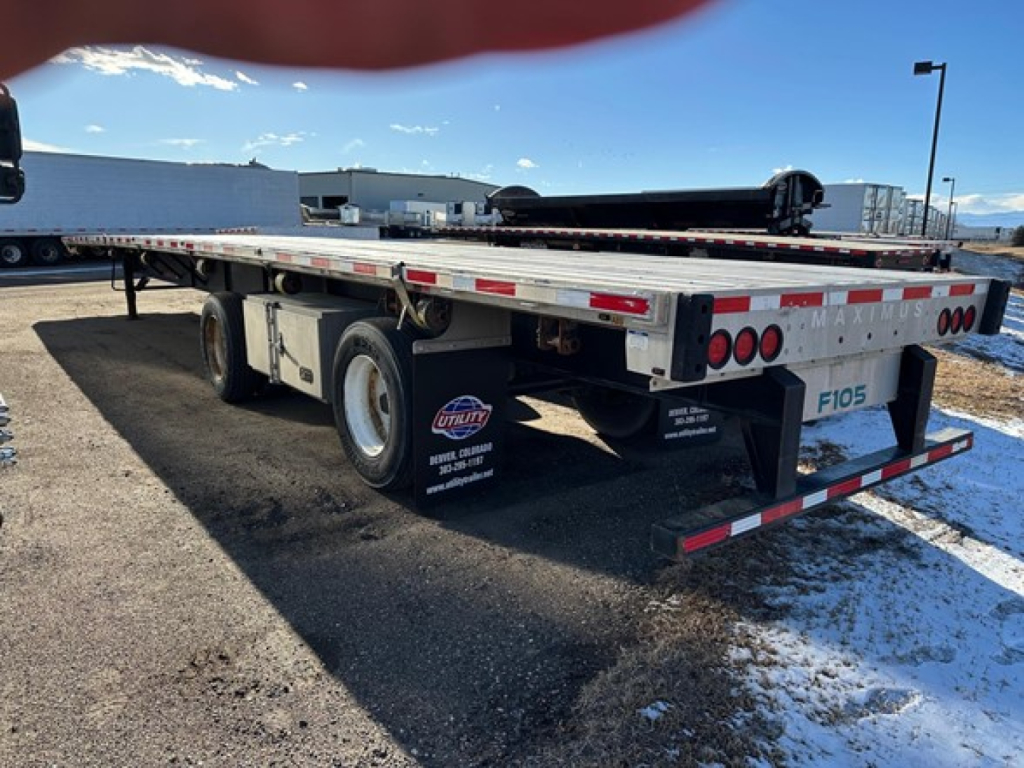
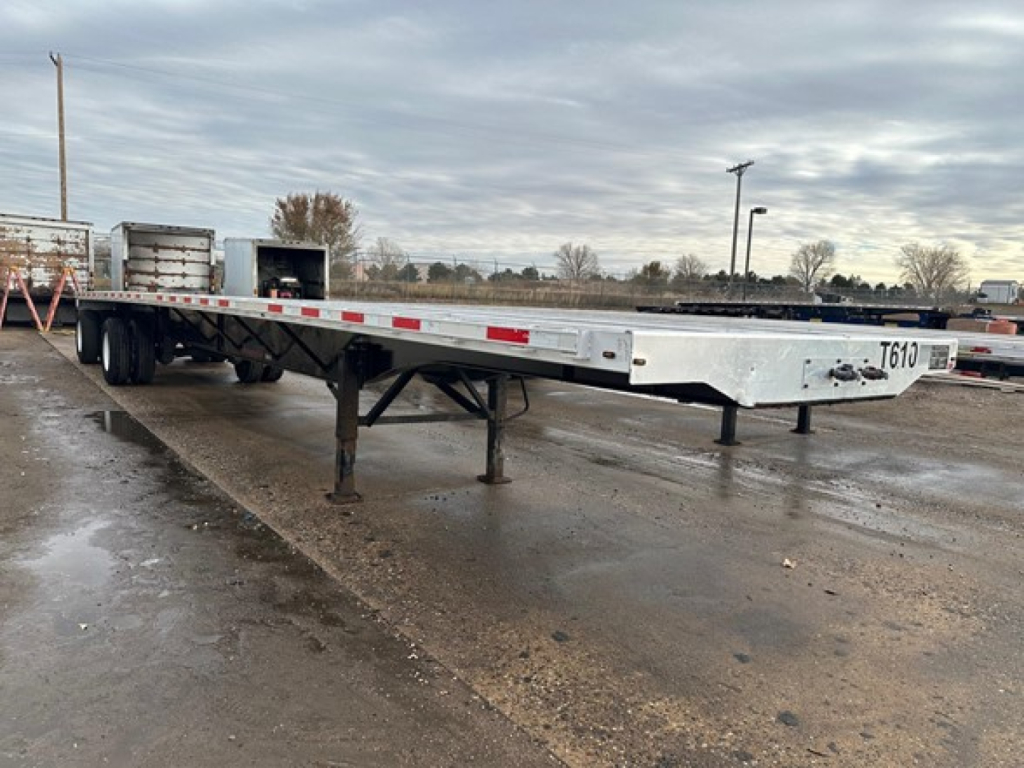
The first spec decision is usually 48-foot versus 53-foot length. A 48 x 102 flatbed is still a strong fit for regional work and shippers that do not need the extra deck space, while a 53 x 102 trailer gives more loading flexibility for longer products and partials. California-legal combinations matter if the trailer may cross western lanes with strict bridge and axle rules, and those specs can also influence resale appeal. Common features on Transcraft flatbeds include stake pockets, pipe spools, sliding winches, nail strips, and ICC bumpers. Fixed spread air ride suspensions are also common, offering a stable ride for cargo while keeping the trailer spec simple and proven.
Construction details matter on a used flatbed. Steel main beams generally hold up well in heavier-duty service, but buyers should pay close attention to corrosion, past repairs, and any evidence of hard loading around the crossmembers, rear frame, and suspension mounting points. On all-aluminum trailers, inspect beam areas, deck condition, and wear around securement points for signs of fatigue or damage. Deck type and surface condition also affect day-to-day usefulness. Nail strips, flooring wear, and the condition of winch tracks, stake pockets, and pipe spools all tell you how the trailer was used and how ready it is for standard securement work.
Tire and wheel setup deserves a close look, especially on trailers running 22.5 low-profile rubber and mixed aluminum and steel wheel packages. Check suspension alignment, bushing wear, brake condition, and axle spread if the trailer will run heavy miles or tight urban deliveries. Tool boxes, wheel material, and securement hardware do not change the trailer class, but they can make a real difference in operating convenience and replacement cost. For many buyers, a Transcraft flatbed stands out because it stays simple: a conventional flatbed trailer, also known as an open-deck trailer, with practical specs that fit a broad range of freight and a strong service network familiarity across the market.
Frequently Asked Questions
What is the difference between a Transcraft combo flatbed and an all-aluminum flatbed?
A combo flatbed typically uses steel main beams with aluminum deck and rail components. That design gives the trailer strong structural support with a lower empty weight than a full steel trailer. An all-aluminum flatbed reduces tare weight further, which can improve payload capacity, but buyers should evaluate the trailer's past application and inspect carefully for fatigue, repairs, and wear at high-stress areas. The better choice depends on freight type, weight targets, and how rough the loading environment is.
Why do buyers look for California-legal Transcraft flatbeds?
California-legal flatbeds are built to meet stricter bridge formula and axle spacing requirements that apply on certain western lanes. A California-legal specification can matter for fleets running into California or across multi-state western routes where compliance and weight distribution are critical. Even for buyers based in Colorado, a California-legal trailer can add route flexibility and may support stronger resale demand because it fits a broader operating footprint.
Is a 48-foot or 53-foot Transcraft flatbed better for general freight?
A 53-foot flatbed usually offers more flexibility because it can handle longer products, more partial freight combinations, and jobs where deck length helps with placement and securement. A 48-foot flatbed can still be an efficient choice for regional work, dedicated accounts, and operations where the freight mix does not require maximum deck space. The right length depends on your lane profile, commodity mix, and any state-specific operating limits that affect your loads.
What should I inspect first on a used Transcraft flatbed trailer?
Start with the main beams, crossmembers, suspension hangers, axle alignment, brakes, and tire wear. Then inspect the deck, nail strips, winch track, stake pockets, pipe spools, and rear frame for damage, distortion, or evidence of repeated overloading. On combo and aluminum models, look closely for cracks, corrosion, and prior repairs around connection points and securement areas. A flatbed's usefulness depends as much on structural condition and securement readiness as it does on age or brand.
What features are most useful on a Transcraft flatbed for everyday securement work?
Stake pockets, sliding winches, pipe spools, and nail strips are among the most practical features because they support fast and flexible cargo securement across different load types. Tool boxes add convenience for chains, straps, edge protection, and tarping gear. Air ride suspension helps protect freight and improves trailer stability. These features do not change the trailer's basic role, but they can make a noticeable difference in loading speed, compliance, and day-to-day driver efficiency.