
Wabash Van Trailers For Sale in Tennessee
Browse Wabash van trailers for sale in Tennessee. Compare Duraplate specs, 53x102 configurations, doors, floors, suspension, and trailer condition.
Learn more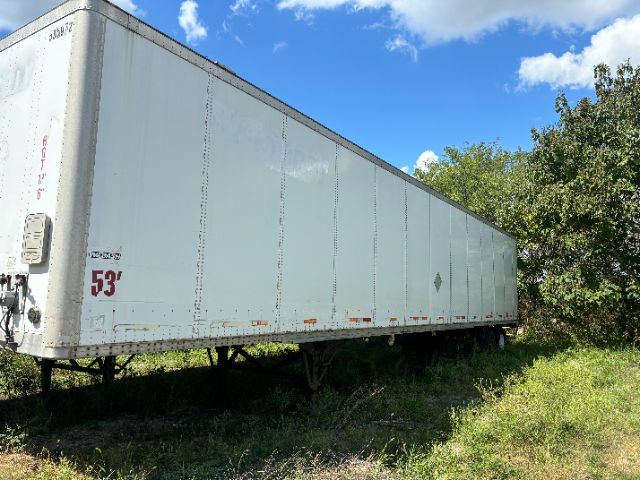
Have wabash van trailer to sell? List it here to reach thousands of buyers.
About Wabash Van Trailers in Tennessee
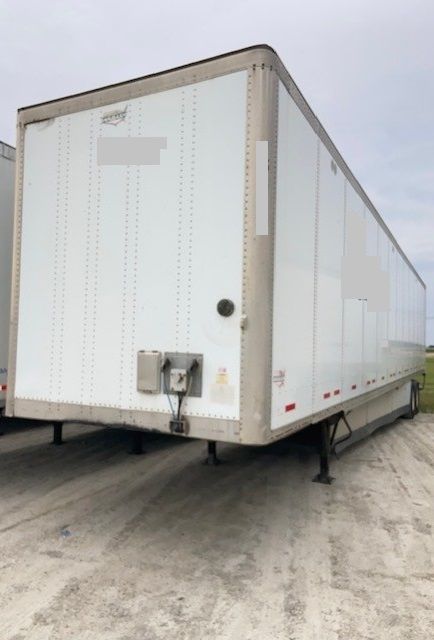
The first buying decision is usually structural condition, not cosmetics. Look closely at the roof bows, front wall, upper rails, rear frame, threshold, and floor fastener areas. A watertight van with a solid floor and straight rear frame can be far more valuable than a cleaner-looking trailer that has hidden damage or chronic leak points. Door type matters too. Swing doors remain common because they are simple and dock-friendly, while roll doors can help in certain route delivery applications but add weight and repair cost. If the trailer has composite doors, scuff liners, logistics posts, or a tire inflation system such as PSI, those features can improve daily usability and reduce operating interruptions.
Suspension and axle specification should match the lane and customer profile. Air ride is preferred for many shipper-sensitive loads and is common on later-model Wabash vans, while spring ride may still make sense in certain cost-driven operations. Buyers in Tennessee often run a mix of interstate freight, regional distribution, and warehouse support, so practical details like slider function, kingpin setting, brake type, tire condition, and skirt damage deserve a close inspection. Side skirts can help fuel economy in over-the-road service, but they should be checked for mounting damage and clearance issues. Interior height, floor rating, and overall tare weight also matter if the trailer will see dense freight or cube-sensitive freight.
Older Wabash van trailers can also make sense for storage, local shuttle work, and drop lot use if the box is dry and the doors seal properly. For over-the-road use, buyers should pay attention to DOT compliance items, including lights, ABS function, brake stroke, suspension wear, tire age, and any signs of previous frame or landing gear repairs. A good Wabash dry van is easy to place in many operations because parts support is strong, specs are familiar to most carriers, and the trailers are accepted across a wide range of freight applications. The best value usually comes from matching the trailer’s age, floor condition, door setup, and suspension package to the actual work it will do.
Frequently Asked Questions
What is the difference between a Wabash DuraPlate van trailer and a traditional sheet-and-post van?
A Wabash DuraPlate trailer uses composite plate sidewalls bonded to steel skins, which creates a smooth interior wall and a strong outer structure with fewer protrusions inside the trailer. Compared with a traditional sheet-and-post design, DuraPlate vans are often favored for durability, easier washout, and reduced sidewall damage from freight contact. Buyers still need to inspect for delamination, impact damage, and structural repairs, but DuraPlate construction is one of the main reasons Wabash dry vans remain popular in fleet service.
What should I inspect first on a used Wabash van trailer?
Start with water integrity and structure. Check the roof, seams, front wall, floor condition, rear frame, door seals, and threshold area before focusing on appearance. Then inspect the suspension, brakes, axle alignment, slider operation, tire condition, and landing gear. On a dry van, a trailer that stays dry and has a sound floor is usually far more useful than one that looks clean but has hidden leaks or structural fatigue.
Are Wabash van trailers good for over-the-road freight in Tennessee?
Yes. Wabash dry vans are commonly used in Tennessee for regional and long-haul freight because they fit standard 53x102 dry van applications and are widely accepted at docks and distribution centers. Air ride models are especially useful for shipper-sensitive freight, and features like side skirts, PSI tire inflation systems, and logistics posts can support fleet efficiency. The right trailer depends on freight type, load density, and how much highway versus local shuttle work it will handle.
Can an older Wabash van trailer still be useful if it is not ideal for long-haul service?
Yes. Many older dry vans remain valuable for storage, yard staging, local transfer work, and drop trailer applications. If the roof is watertight, the floor is sound, and the doors operate correctly, an older trailer can still serve well even if it needs cosmetic work or is no longer the best choice for premium over-the-road freight. The intended use should drive the buying decision more than age alone.