
Wabash Van Trailers For Sale in Illinois
Browse Wabash van trailers for sale in Illinois. Compare 53-foot dry vans, pups, air ride specs, logistics options, and floor ratings.
Learn more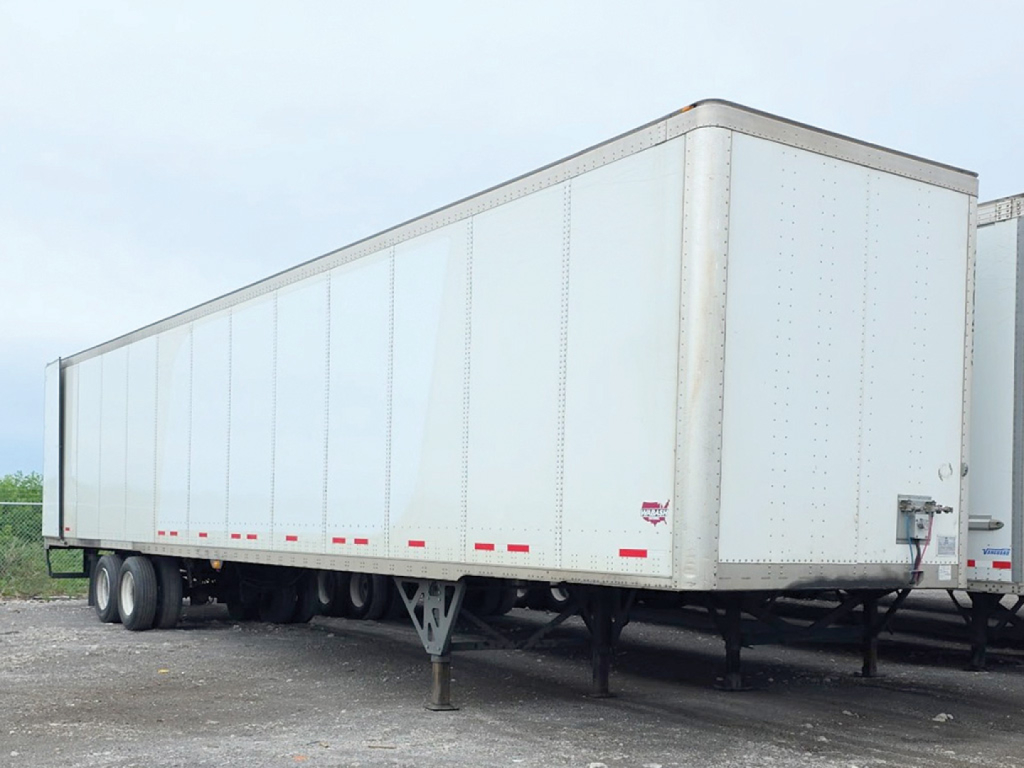
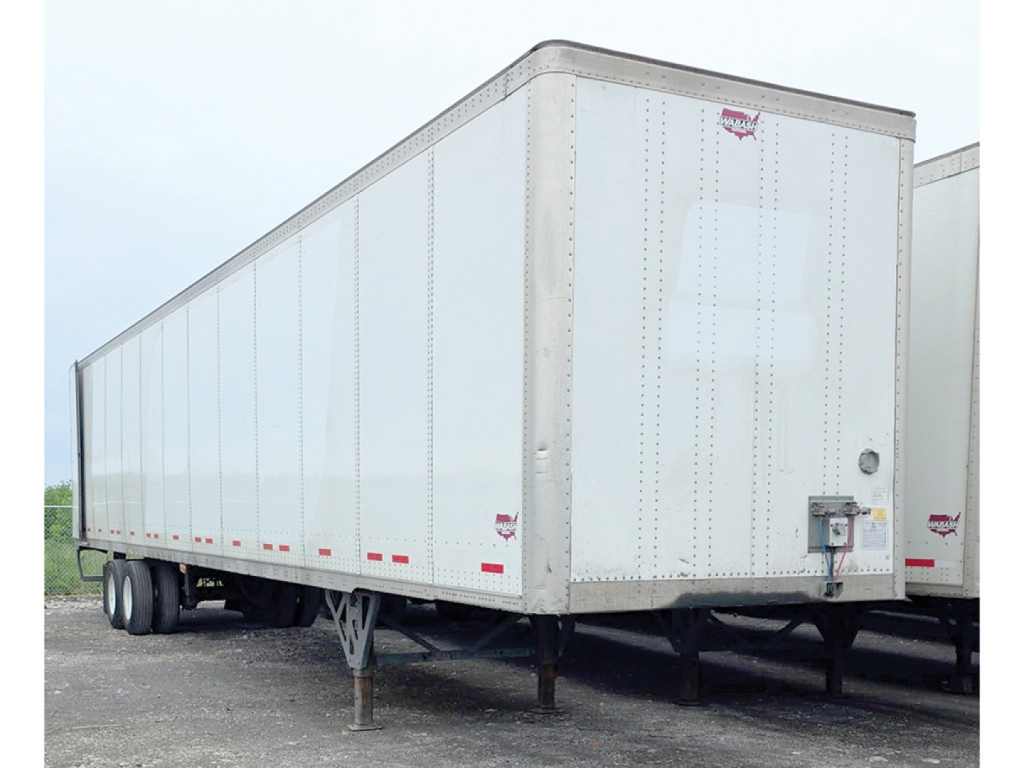
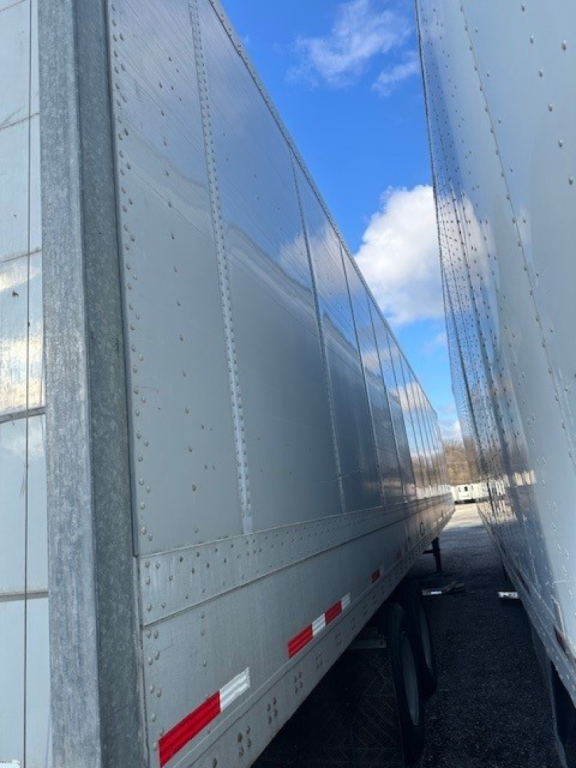
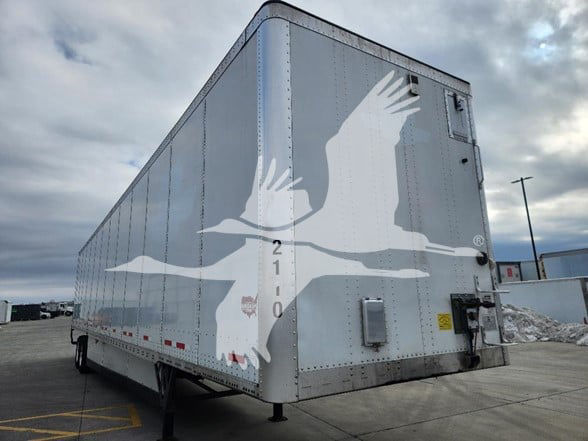
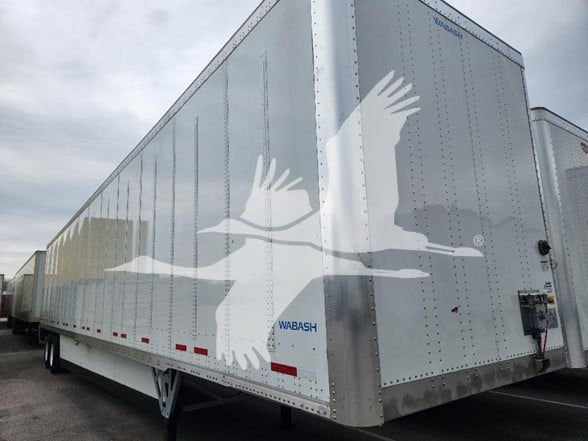
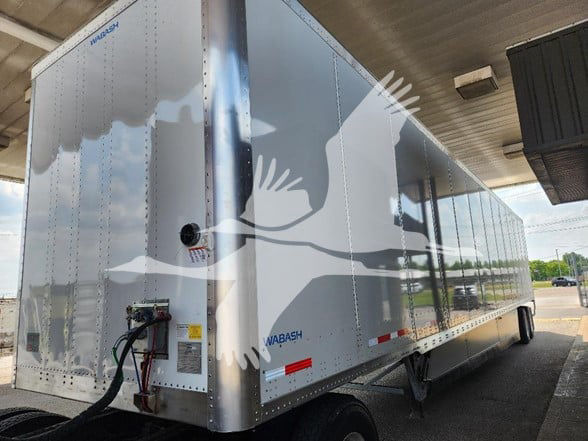
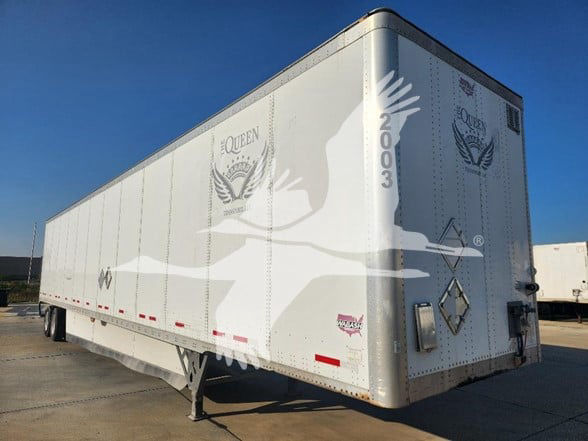
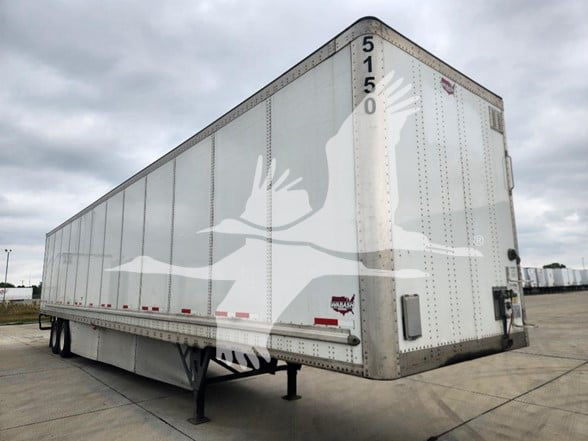
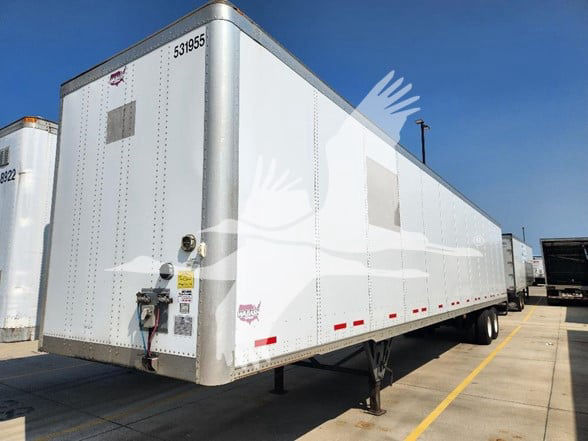
Showing 13 to 24 of 31 results
Have wabash van trailer to sell? List it here to reach thousands of buyers.
About Wabash Van Trailers in Illinois
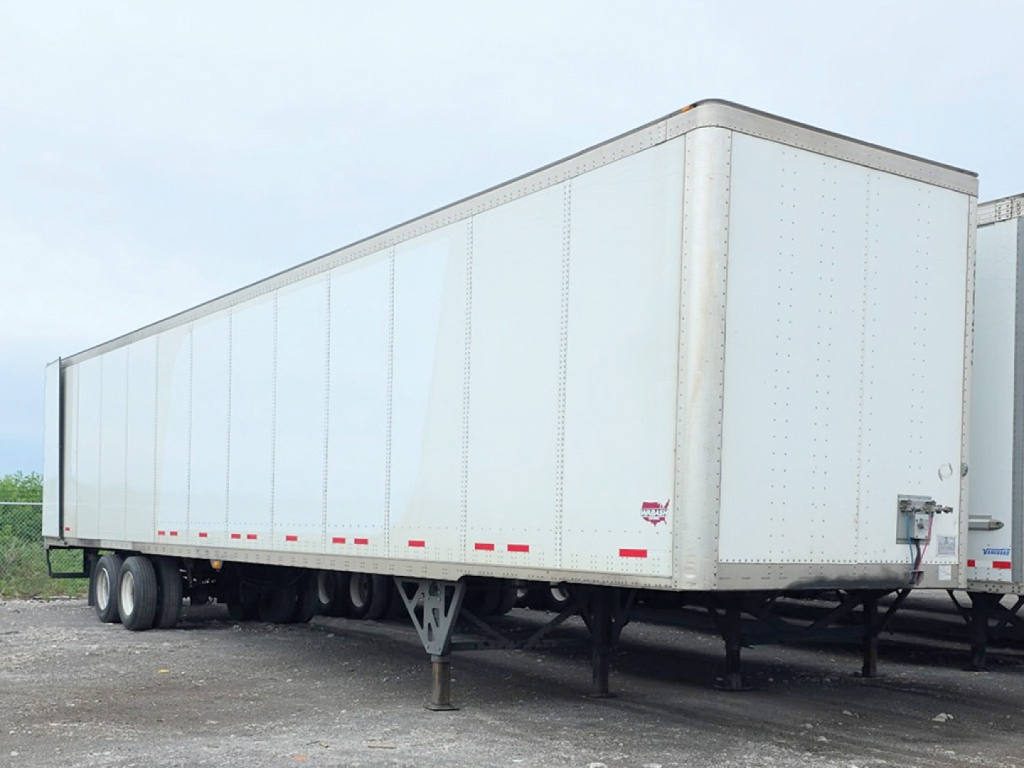
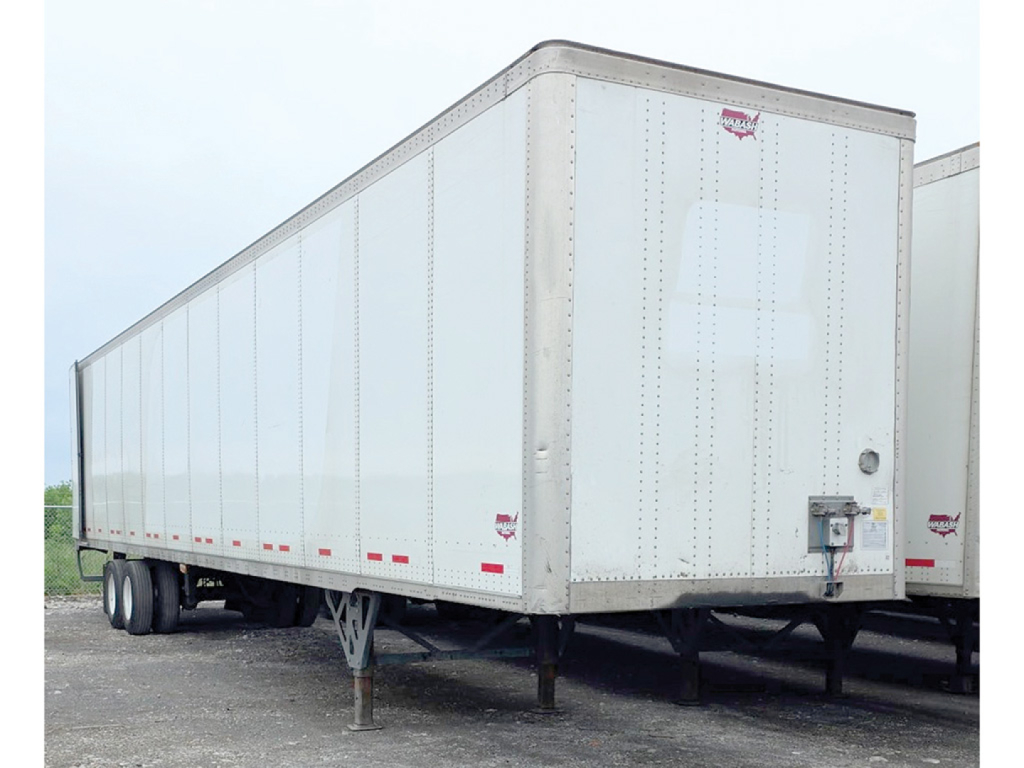
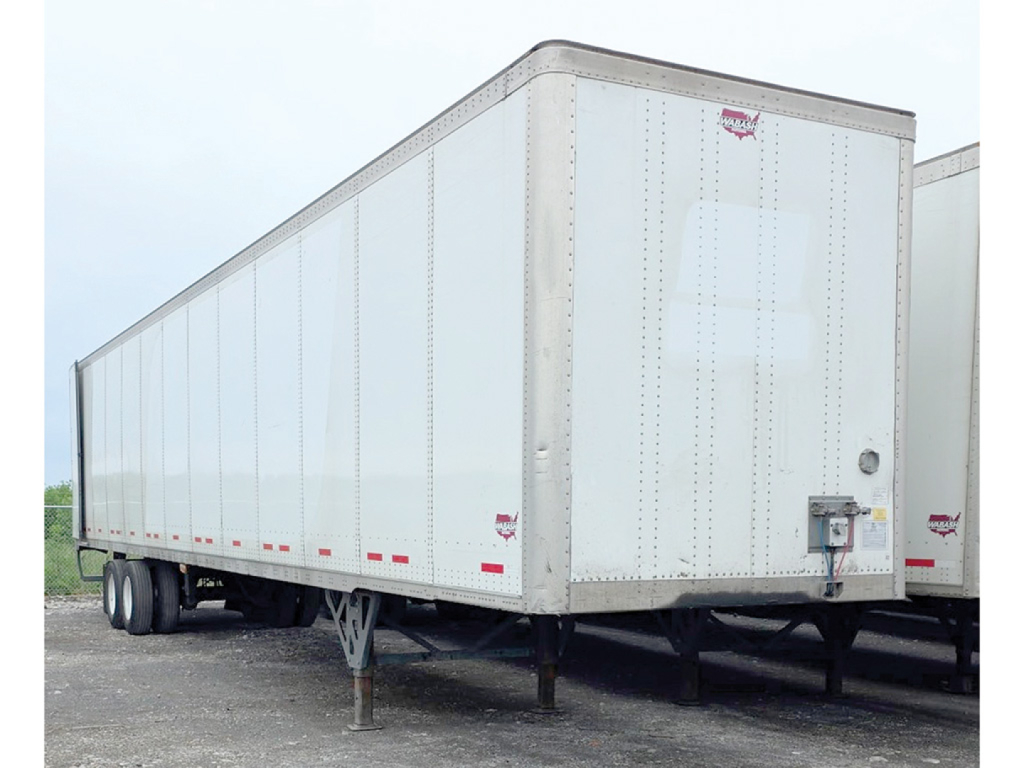
A buyer comparing Wabash dry vans should look closely at floor rating, wall construction, and cargo control setup before focusing on appearance. Many Wabash vans are spec'd with wood floors around a 24,000-pound rating, aluminum scuff liners or scuff plate, threshold plates, and either logistics posts or full E-track. That combination matters if the trailer will handle mixed LTL, retail freight, palletized food products, paper goods, or general dry commodities. Swing doors are still common on linehaul trailers, while roll-up doors show up more often on city and pup applications where frequent dock work and tighter delivery patterns are part of the job.
Suspension and running gear deserve careful attention, especially on used trailers. Air ride is a common Wabash spec and helps protect sensitive freight while reducing shock through the chassis. Sliding tandems give flexibility for bridge laws, dock positioning, and axle compliance, which is especially important in Midwest freight lanes. Buyers should also check tire size, wheel type, brake spec, rear frame condition, and whether the trailer has options like side skirts, tire inflation systems, galvanized rear structure, front and rear vents, or stainless front radius panels. Those details affect maintenance cost, fuel economy, and how well the trailer matches a specific lane or customer requirement.
Wabash also shows up in shorter configurations such as 40-foot vans and 32-foot pup trailers, often with single axle setups for city delivery, P&D, or hub-and-spoke operations. Plywood-lined interiors can be useful when freight is prone to wall contact, while composite panel construction can offer a good balance of weight and durability in standard dry van service. For Illinois buyers running heavy warehouse freight, grocery backhaul, manufacturing freight, or dedicated contract lanes, the best Wabash van trailer is usually the one with the right door style, cargo securement package, suspension, and floor strength for the work rather than just the newest model year.
Frequently Asked Questions
What is the most common Wabash van trailer size?
The most common Wabash van trailer in fleet service is a 53-foot dry van with a 102-inch wide body and 13-foot 6-inch overall height. That configuration is standard for general freight, retail distribution, and long-haul truckload operations. Shorter Wabash vans such as 40-foot units and 32-foot pup trailers are also used, usually in regional delivery, P&D service, or multi-trailer operations.
What should I inspect first on a used Wabash dry van trailer?
Start with the floor, sidewalls, roof, rear frame, and suspension. Check for floor soft spots, patched decking, wall delamination or impact damage, roof repairs, and rust or fatigue around the rear sill and door frame. Then inspect the tandem slide rails, air ride components, brakes, tires, and wheel ends. On a dry van, the condition of the cargo area matters just as much as the running gear because damaged lining, broken logistics tracks, and worn thresholds can reduce usability fast.
Are Wabash DuraPlate trailers good for heavy freight?
They can be, but the answer depends on the trailer's actual floor rating and overall spec. Wabash DuraPlate sidewalls are well known for durability and weight efficiency, but heavy freight performance is driven by floor capacity, crossmember spacing, suspension, and axle setup. A buyer hauling dense palletized loads should confirm the posted floor rating, inspect the floor condition closely, and make sure the trailer matches the lane's legal payload requirements.
What is the difference between logistics posts and E-track in a van trailer?
Logistics posts are vertical wall-mounted tracks designed to accept load bars and securement accessories at multiple heights. E-track provides more frequent attachment points and can be installed horizontally, vertically, or in combination depending on the application. Both systems improve cargo control, but the better choice depends on the freight mix. E-track is often preferred for varied load shapes and frequent securement changes, while logistics posts are common in fleet dry vans moving standard palletized freight.
Why do many buyers prefer air ride suspension on Wabash van trailers?
Air ride suspension helps protect freight from road shock and usually provides a smoother ride than mechanical setups. That makes it a strong fit for consumer goods, packaged products, and other cargo sensitive to vibration or shifting. Air ride is also a common fleet specification, which helps with interchangeability and resale. On used equipment, the buyer should still inspect airbags, shocks, height control components, and suspension wear points because repair costs can add up quickly.