
Vanguard Van Trailers For Sale in California
Browse Vanguard van trailers for sale in California. Compare dry van specs, dimensions, doors, floors, and liftgate options for freight hauling.
Learn more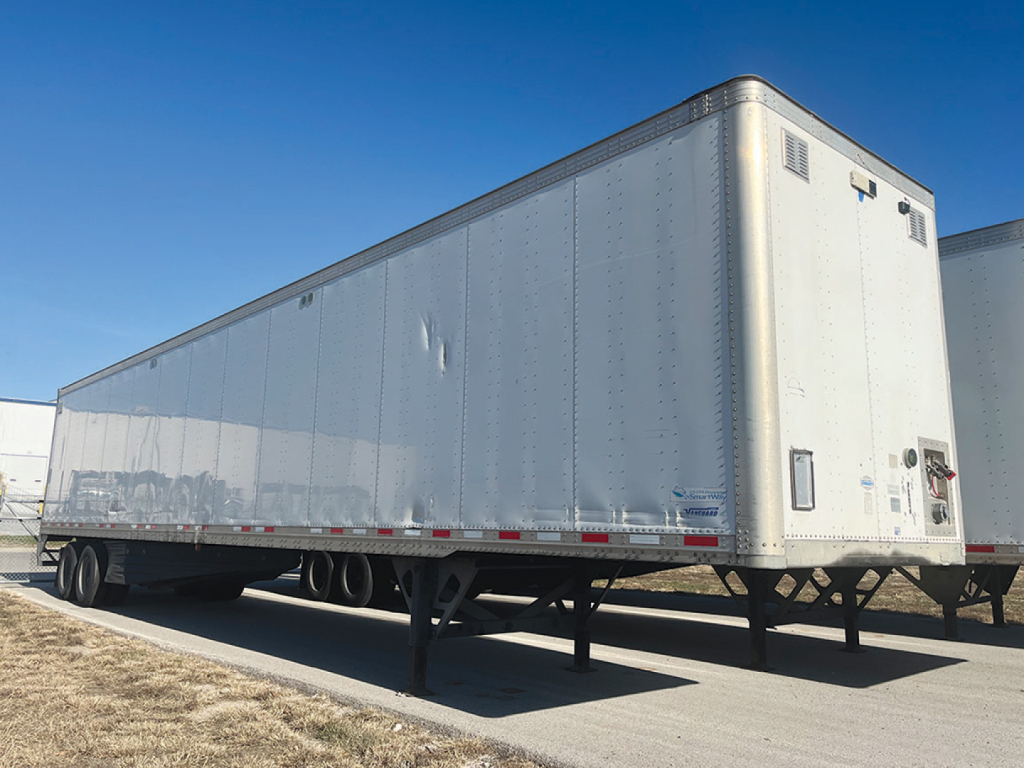
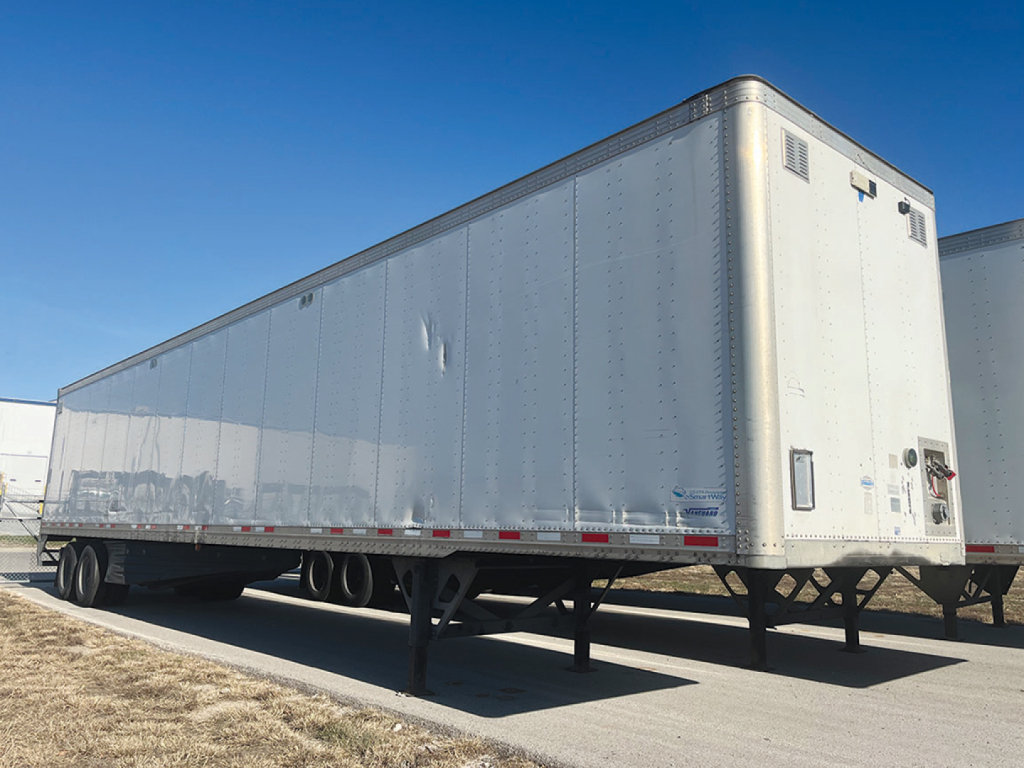
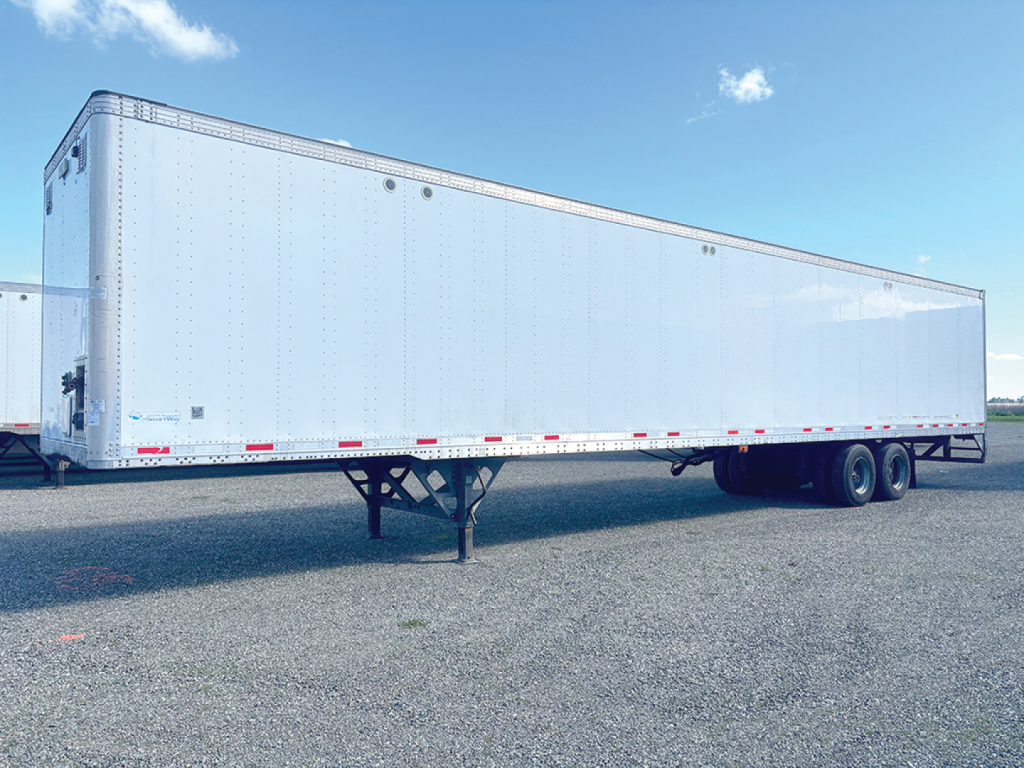
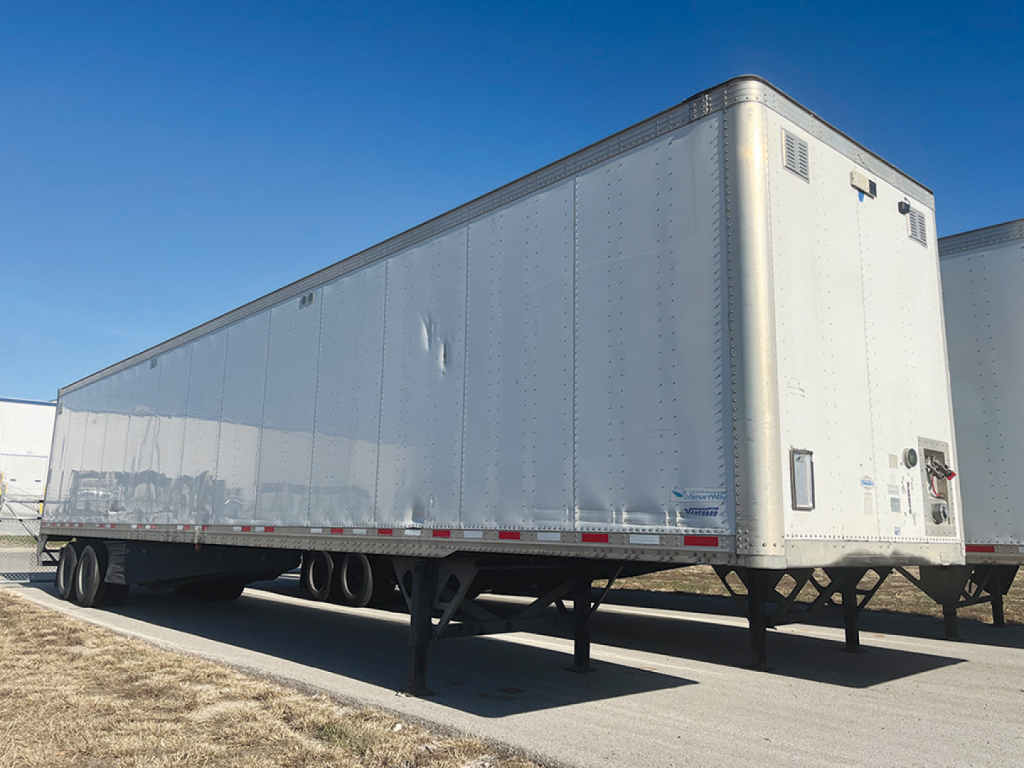
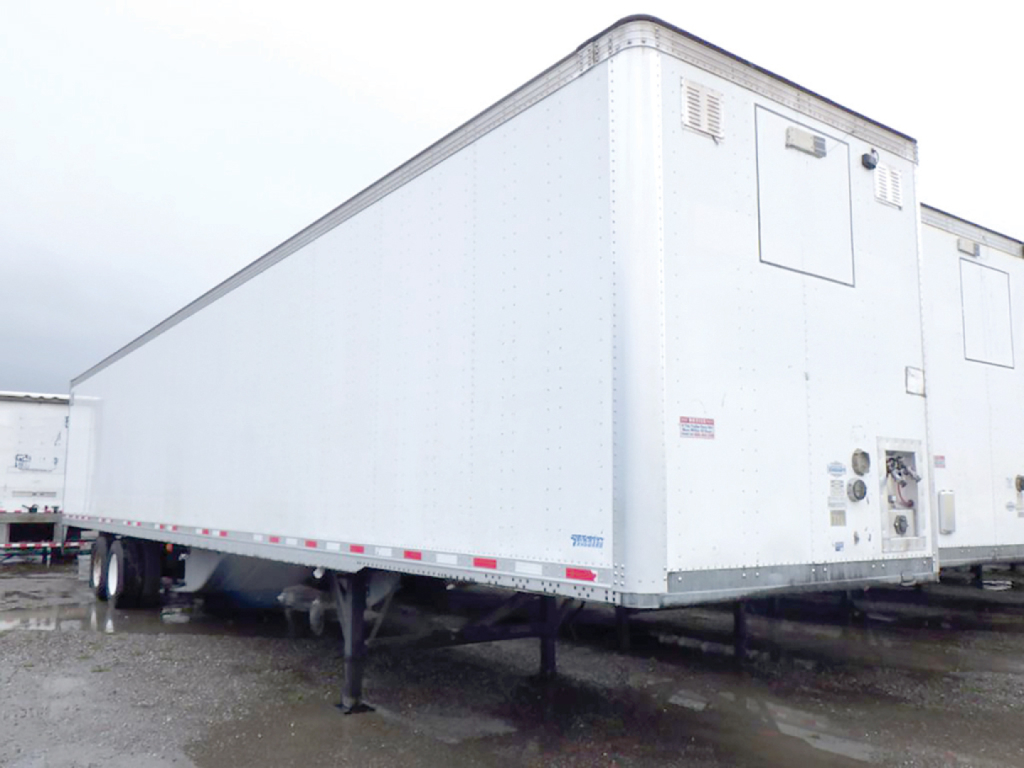

Have vanguard van trailer to sell? List it here to reach thousands of buyers.
About Vanguard Van Trailers in California
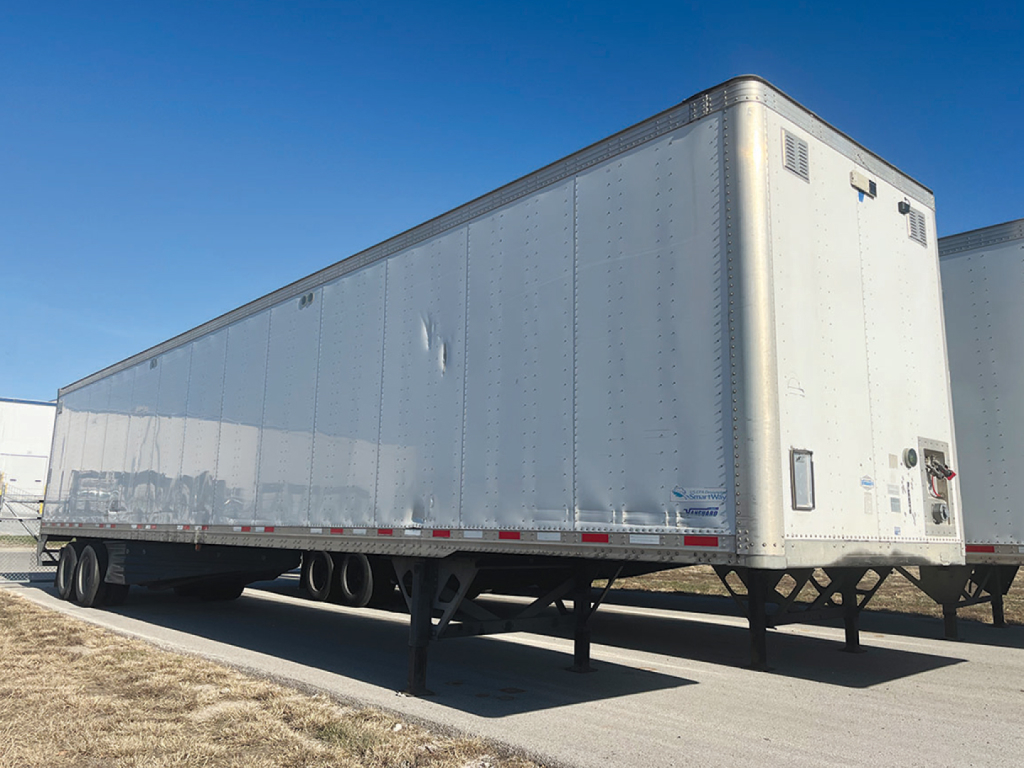
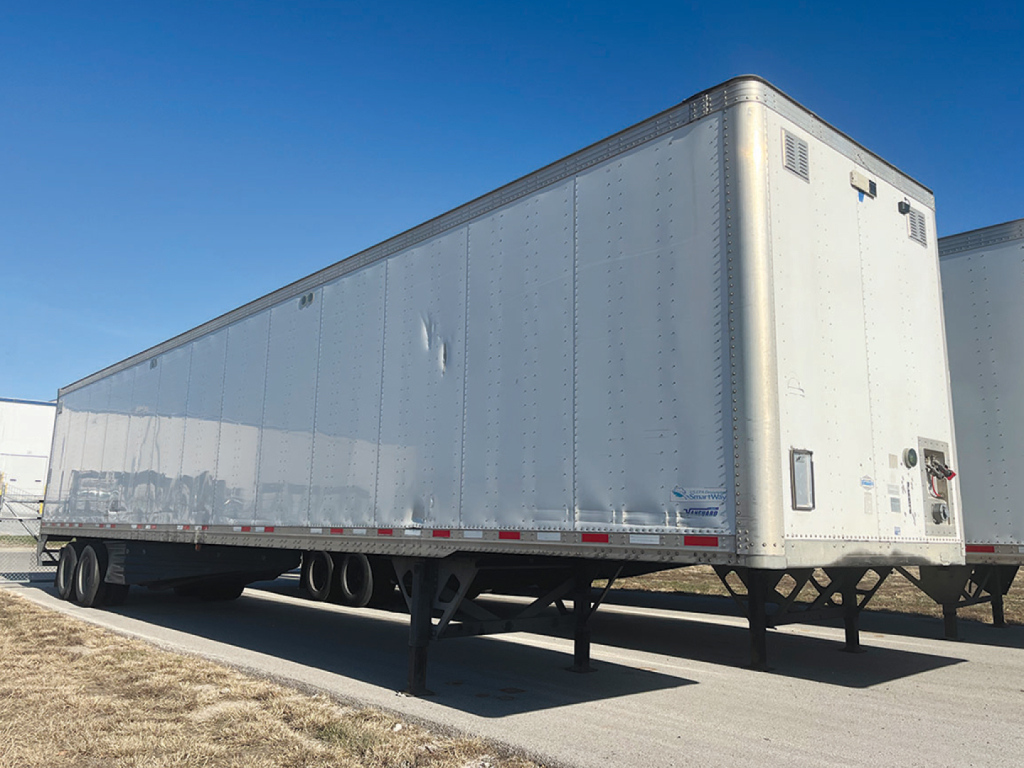
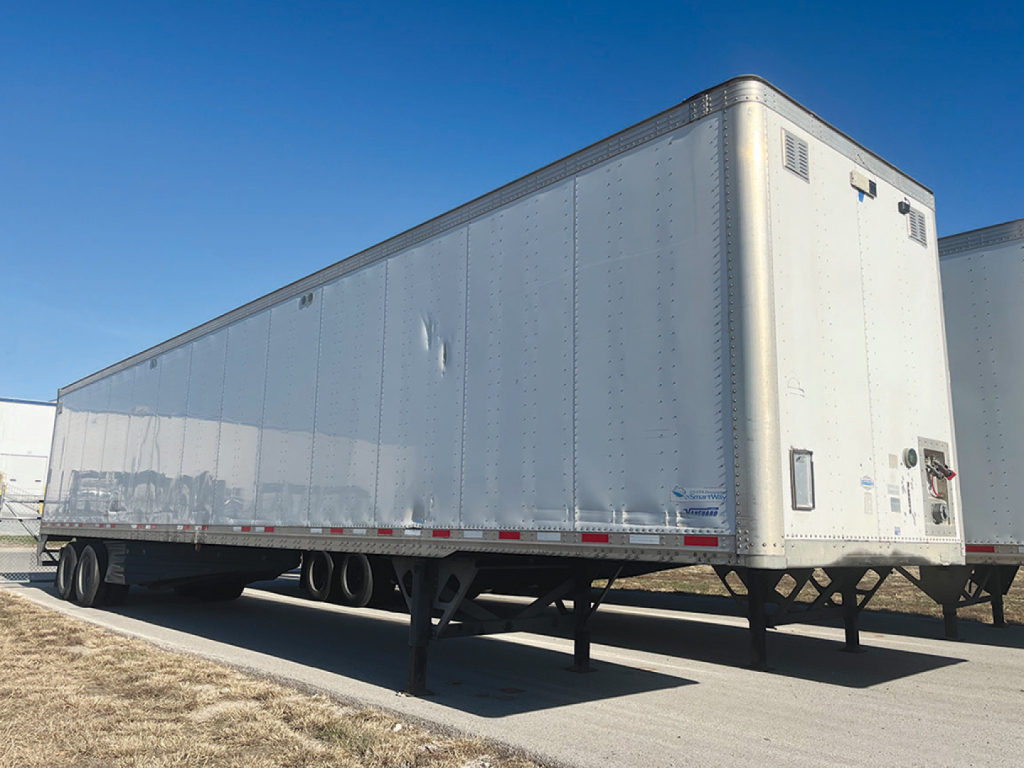
Construction and interior condition drive long-term value in this category. Vanguard dry vans are often spec'd with aluminum roofs, hardwood or laminated floors, and lined or scuff-protected interior walls to stand up to forklift traffic and shifting freight. A buyer should look closely at floor wear, crossmember condition, roof repairs, sidewall straightness, and rear frame integrity. Door hardware, seal condition, and suspension wear also tell you a lot about how the trailer was used. In California service, sun exposure can be hard on roof sealants, door gaskets, and tires, so those areas deserve extra attention during inspection.
Spec selection should match the freight profile. A basic dry van works well for boxed freight and general merchandise, but some units are equipped for more specialized use with features like E-track for load securement, liftgates for non-dock deliveries, and roll-up doors for frequent stop routes. Buyers comparing used Vanguard van trailers should confirm kingpin setting, landing gear condition, brake type, tire size, wheel condition, and axle ratings, especially if the trailer will be paired with a specific tractor or run in weight-sensitive lanes. California fleets also tend to pay attention to overall trailer height and door opening dimensions when freight cubes out before it weighs out.
For many operations, a van trailer is the most versatile trailer in the fleet because it protects freight from weather, improves cargo security, and handles a wide range of shippers. Vanguard units are commonly seen in regional and long-haul service, and the right trailer usually comes down to how it was maintained and how well its spec matches your lanes. A clean dry van with a solid floor, tight roof, good doors, and usable cargo control equipment will usually bring more day-to-day value than a cheaper trailer that needs structural or interior rework.
Frequently Asked Questions
What should I check first on a used Vanguard van trailer?
Start with the floor, roof, sidewalls, rear frame, and door assembly. Those areas reveal most of the expensive problems on a dry van trailer. Check for soft spots or forklift damage in the floor, patches or leaks in the roof, waviness or repairs in the sidewalls, cracks around the rear frame, and worn hinges, seals, or latches at the doors. After that, inspect brakes, suspension, tires, wheels, landing gear, and lights to understand what the trailer will need immediately.
Are Vanguard van trailers good for general dry freight?
Yes. Vanguard van trailers are widely used for general dry freight, palletized goods, retail freight, and dock-to-dock hauling. The enclosed body protects cargo from weather and theft, and many units can be configured with cargo control equipment such as E-track or logistics posts. The best fit depends on the trailer's dimensions, empty weight, and interior condition rather than the brand name alone.
Is a roll-up door or swing door better on a van trailer?
It depends on the route. Roll-up doors are often preferred for frequent-stop delivery work because they open quickly and reduce the chance of door swing damage in tight spaces. Swing doors are common in linehaul and dock freight because they usually provide a full rear opening and can be simpler to maintain. Buyers should compare door opening needs, route type, and maintenance history before choosing one over the other.
Do liftgates add value on a dry van trailer?
A liftgate adds value when the trailer serves customers without docks or handles route deliveries that require ground-level loading and unloading. For dock-only freight, a liftgate can add weight, reduce payload slightly, and increase maintenance requirements. The value comes from the application. If the trailer will be used in final-mile, store delivery, or mixed-stop work, a functioning liftgate can be a strong advantage.
What size van trailer is most common in California?
Forty-eight foot and 53-foot dry van trailers are both common, with 102-inch width being standard across much of the market. A 48-foot van still fits many regional and specialized applications, while 53-foot units are often preferred when cubic capacity matters most. The right choice depends on customer requirements, dock space, lane restrictions, and whether the operation cubes out or weighs out first.