
Utility Van Trailers For Sale in Pennsylvania
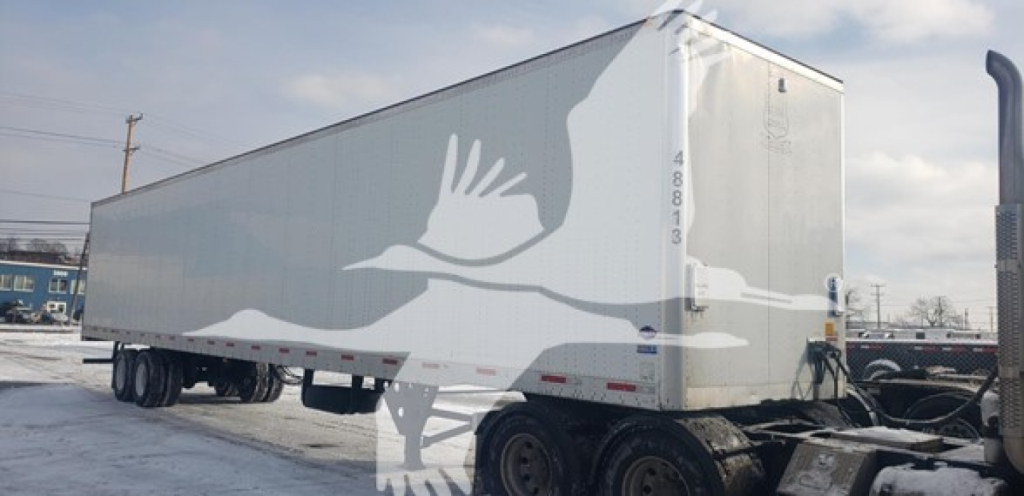
Shop Utility van trailers for sale in Pennsylvania. Compare 53-foot dry vans, 4000D-X specs, air ride suspensions, sliders, and door options.
Learn more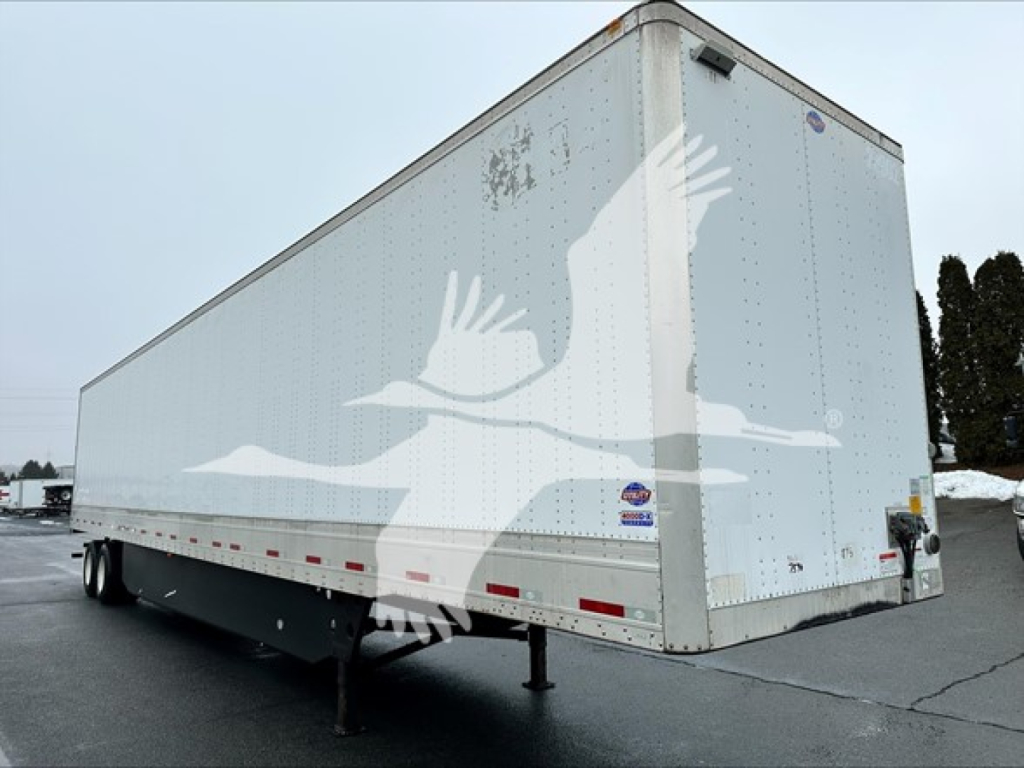

Have utility van trailer to sell? List it here to reach thousands of buyers.
About Utility Van Trailers in Pennsylvania
The key buying decisions are usually suspension, door style, floor condition, and logistics setup. Air ride suspension and a 49-inch sliding tandem are common on Utility vans and matter for ride quality, dock positioning, and axle compliance. Swing doors are still preferred by many fleets for durability and full-width rear access, while roll-up doors can make sense in certain route applications but add weight and reduce opening height. Inside, buyers should pay close attention to the wood floor, threshold plate, scuff liners, logistic posts, and any side lining or nose lining. A trailer with 16-inch on-center logistics posts, steel or composite scuff protection, and a sound floor is usually better suited for mixed freight and higher dock traffic.
Utility dry vans are also known for aluminum construction details that help keep weight down without giving up day-to-day durability. Smooth aluminum sides, aluminum roofs, stainless rear frames, and stainless door hardware are common features in this category. Tire inflation systems are another desirable spec on later-model trailers because they can reduce roadside tire events and help maintain fuel efficiency. On used units, practical inspection points include rear frame corrosion, roof bow condition, door seal integrity, floor rot around the rear threshold, crossmember spacing, kingpin wear, landing gear operation, brake percentage, and tire date codes. In Pennsylvania, winter road treatment makes underframe and rear impact area condition especially important.
A buyer comparing Utility van trailers should think beyond model year and focus on freight profile. General dry freight, palletized consumer goods, beverages, paper products, and contract logistics all place different demands on the trailer interior. A lighter-spec van may work well for cube freight, while dense freight benefits from a stronger floor, tighter maintenance history, and attention to suspension and brake condition. Utility trailers remain a strong fit for fleets that want a standard dry van with familiar specs, predictable maintenance, and broad compatibility across shippers, docks, and loading practices.
Frequently Asked Questions
What are the most common specs on a Utility van trailer?
Most Utility van trailers on the used market are 53 feet long, 102 inches wide, and 13 feet 6 inches tall. Common specs include air ride suspension, a sliding tandem, swing rear doors, wood flooring, logistic posts, scuff liners, and 22.5 low-profile tires. Many later trailers also have aluminum roofs and side panels, stainless rear frame components, and tire inflation systems.
Is a Utility 4000D-X a good choice for general dry freight?
Yes. The Utility 4000D-X is a widely used dry van trailer for general freight because it offers a good mix of low empty weight, standard dimensions, and durable construction. It is commonly used for palletized freight, retail distribution, and drop-and-hook operations. Buyers still need to evaluate condition carefully, especially the floor, rear frame, suspension, and door assembly.
What should I inspect first on a used Utility dry van trailer?
Start with the floor, rear doors, rear frame, suspension, brakes, and tires. Check the wood floor for soft spots, gouging, and threshold damage from forklift traffic. Inspect swing doors for hinge wear, seal condition, and frame alignment. Look underneath for crossmember damage, kingpin wear, corrosion, and signs of hard dock impacts. Brake lining percentage, tire condition, and sliding tandem operation should also be verified before purchase.
Are swing doors better than roll-up doors on a van trailer?
For many linehaul and dock applications, swing doors are preferred because they are lighter, simpler, and usually provide the full rear opening. That makes loading easier for many shippers and reduces repair complexity. Roll-up doors can be useful in multi-stop delivery work where frequent door cycling is required, but they typically add weight and reduce clear opening height.
Why does logistics equipment matter on a dry van trailer?
Logistics equipment affects how flexible the trailer is for different freight types. Logistic posts, scuff liners, and interior lining help secure loads and protect the trailer walls from pallet and forklift damage. A well-equipped trailer can handle a wider mix of freight and may hold up better in high-turn freight environments. Buyers moving packaged goods or contract freight often place a premium on trailers with strong interior protection and standard post spacing.