
Utility Van Trailers For Sale in North Carolina
Shop Utility van trailers for sale in North Carolina. Compare 53-foot dry van specs, 4000D and 4000D-X features, suspension, doors, and floors.
Learn more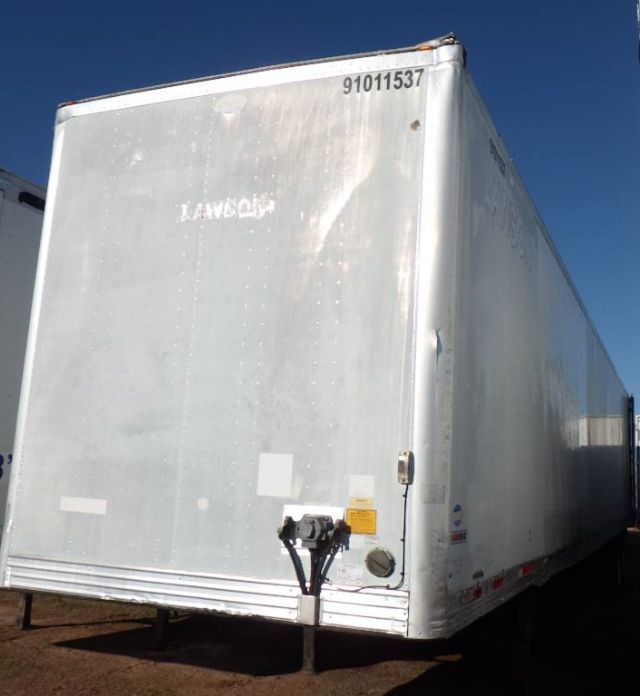
Have utility van trailer to sell? List it here to reach thousands of buyers.
About Utility Van Trailers in North Carolina
The first decisions usually come down to body construction and interior spec. Utility dry vans are commonly built with aluminum or composite sidewall construction, aluminum roofs, and wood floors designed for forklift traffic. A trailer with logistics posts or logistics track gives you more flexibility for load securement and multi-stop freight. Scuff liners, scuff plates, threshold plates, and lined interiors matter if the trailer has seen heavy pallet loading or frequent dock use. Buyers comparing older 4000D units to newer 4000D-X models should pay attention to bottom rail design, sidewall condition, floor wear, roof bow integrity, rear frame condition, and signs of repeated dock impact around the doors and threshold.
Running gear and aero spec can have a real effect on operating cost. Air ride remains the preferred suspension for fragile freight and dock-friendly ride quality, while sliding tandems help with bridge law compliance, weight distribution, and maneuvering in tighter facilities. Many Utility van trailers in this class ride on 22.5 low-profile tires with disc or steel wheels, and some are equipped with tire inflation systems to reduce irregular wear and roadside downtime. Side skirts can improve fuel economy in longer regional or over-the-road service. Disc wheels, stainless steel front radius panels, stainless door frames, and quality rear door hardware are not cosmetic details alone. They can affect corrosion resistance, ease of repair, and resale appeal.
A good dry van buyer should inspect the trailer like a revenue tool, not just a box on wheels. Check door seal fit, floor softness at high-traffic zones, crossmember condition, tandem slide operation, suspension wear, brake life, tire age, and any interior damage from concentrated freight or lift truck abuse. Vent placement, swing door alignment, and the condition of the rear frame are especially important on trailers cycling through distribution centers. Utility van trailers, also known simply as dry van trailers or enclosed van trailers, are a practical choice for fleets and owner-operators that need a broad-use freight trailer with strong parts support and familiar serviceability.
Frequently Asked Questions
What are the most common specs on a Utility van trailer?
The most common Utility dry van configuration is a 53-foot trailer with a 102-inch width and 13-foot 6-inch overall height. Many are equipped with air ride suspension, sliding tandems, swing doors, wood floors, logistics posts or logistics track, and 22.5 low-profile tires. Utility 4000D and 4000D-X models are especially common in general freight service because they offer a light, durable platform that fits standard dock operations and palletized freight requirements.
What is the difference between a Utility 4000D and a 4000D-X?
Both are established Utility dry van platforms, but the 4000D-X is generally associated with later refinements in weight control, structural design, and operating efficiency. Exact specifications vary by year and original build, so buyers should compare wall construction, bottom rail design, aero equipment, interior lining, and running gear rather than relying on the model name alone. Condition and maintenance history often matter more than the badge when two used trailers are being compared side by side.
Are Utility van trailers good for general freight and retail distribution?
Yes. Utility van trailers are widely used for dry freight, retail freight, paper goods, packaged products, and other palletized cargo that needs weather protection and standard dock access. Their enclosed body, common 53-foot dimensions, and availability of logistics equipment make them well suited for distribution center work, route freight, and over-the-road service. Air ride suspension is especially useful when cargo protection and ride quality are priorities.
What should I inspect first on a used Utility dry van trailer?
Start with the floor, rear frame, doors, suspension, brakes, and tandem slide. A dry van can look clean outside while hiding expensive wear in the floor from forklift traffic or in the rear structure from repeated dock contact. Buyers should also inspect sidewall repairs, roof condition, threshold plate wear, tire age, wheel-end condition, and the operation of any tire inflation system. If the trailer has logistics equipment, make sure posts, tracks, and attachment points are not bent or torn from load securement damage.
Do side skirts and tire inflation systems matter on a dry van trailer?
They can matter a great deal depending on your operation. Side skirts may improve fuel economy in regional and highway service, especially on higher-mileage lanes. Tire inflation systems help maintain proper tire pressure, which can reduce shoulder wear, improve casing life, and lower the risk of roadside failures. For buyers running consistent miles, these options can support lower operating cost over time, provided the components are intact and properly maintained.