
Utility Van Trailers For Sale in Nebraska
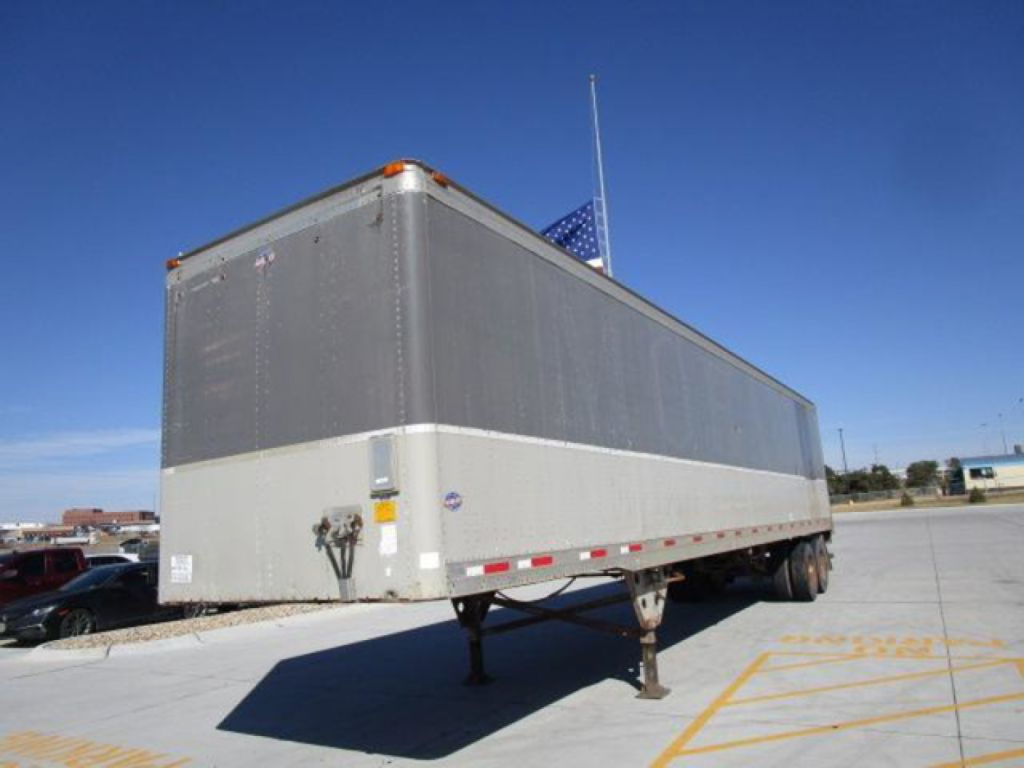
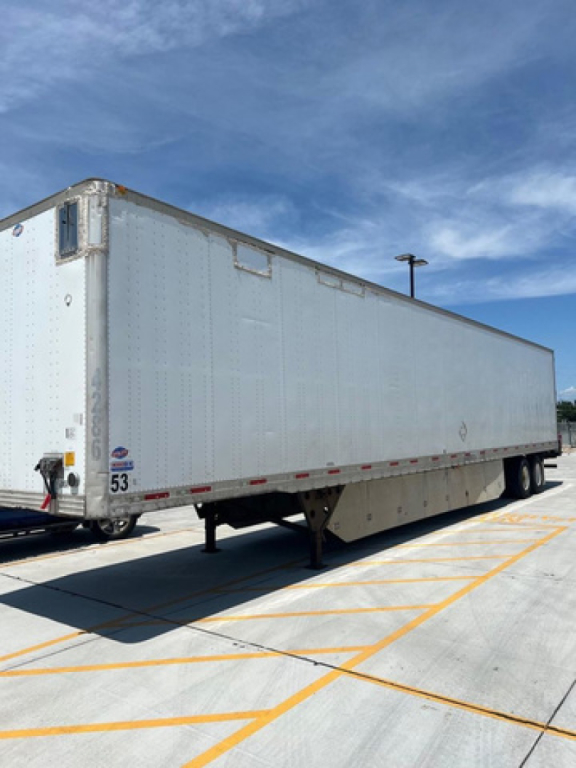
Shop Utility van trailers for sale in Nebraska. Compare dry van specs, 53-foot configurations, suspension, lining, doors, and trailer condition.
Learn more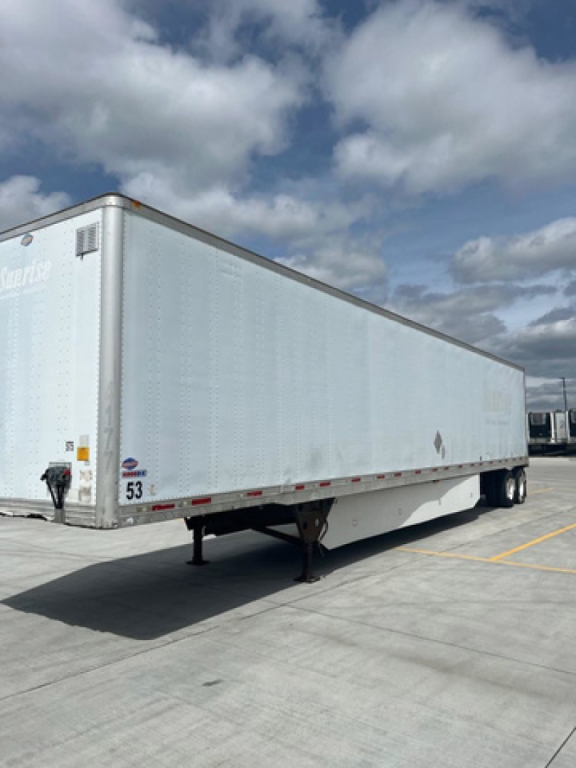

Have utility van trailer to sell? List it here to reach thousands of buyers.
About Utility Van Trailers in Nebraska
The biggest buying decisions usually come down to age, structural condition, and trailer spec rather than brand name alone. On a used Utility dry van, inspect roof condition, sidewall integrity, rear frame area, crossmembers, floor wear, and signs of previous impact around the nose and dock plates. Tire remaining tread, wheel type, suspension condition, and axle slider operation all affect near-term operating cost. Air ride suspension is popular because it helps protect freight and improves ride quality, especially on longer hauls. Interior lining also matters more than many first-time buyers expect. Plywood liners can be easier to repair after forklift or pallet contact, while metal liners can be a practical fit for operations focused on washout, durability, or a cleaner interior finish.
Door style should match the freight and loading pattern. Swing doors are common on linehaul dry vans because they offer full rear opening and simple hardware, while roll-up doors can make sense for frequent dock stops or route work where quick access matters, though they do add weight and reduce clear opening height. Buyers should also look at roof type, logistics posts, floor rating, scuff protection, and whether the trailer has fleet-friendly features like tire inflation systems or standard wheel-end setups. If the trailer will run heavy cube freight in and out of distribution centers, floor condition and threshold wear deserve close attention. If it will spend time in mixed regional service, axle slider condition and kingpin area wear are important inspection points.
Utility dry vans stay in demand because they fit a broad range of applications, from boxed consumer goods and palletized food products to paper, packaged materials, and general non-temperature-controlled freight. Nebraska buyers often prioritize trailers that can handle year-round weather swings, crosswind exposure, and steady highway miles without creating extra maintenance downtime. A well-spec'd van trailer should be easy to load, legal to scale in common freight configurations, and straightforward to maintain through normal service intervals. When comparing listings, focus on the items that change ownership cost fastest: tires, brakes, floor life, door hardware, lining damage, roof leaks, and any evidence of structural repair.
Frequently Asked Questions
What are the most important things to inspect on a used Utility van trailer?
The most important inspection points are the floor, roof, sidewalls, rear frame, crossmembers, suspension, brakes, tires, and the slider assembly if equipped. Pay close attention to floor rot or excessive forklift wear, patched roofs, cracked or buckled rails, and rear impact damage near the door frame and threshold. Tire tread depth and brake condition can change the true acquisition cost quickly, and door hardware should open, seal, and lock correctly without binding.
Are Utility dry van trailers typically 53 feet long?
Yes, most Utility van trailers on the secondary market are 53-foot dry vans because that length is the standard for general freight operations. A 53-foot trailer offers the cube needed for retail freight, palletized shipments, and distribution work while remaining common enough for easy parts support and broad resale appeal. Buyers should still verify axle spacing, slider configuration, and overall spec because those details affect bridge compliance and loading flexibility.
Which is better on a dry van trailer, plywood lining or metal lining?
Neither is universally better because the right choice depends on the freight and loading environment. Plywood lining is common and can be easier to repair after interior contact from pallets or forklifts, while metal lining can offer a cleaner finish and good durability in operations that value washability or repeated interior use. The better question is whether the lining is intact, securely fastened, and free from major punctures or hidden wall damage.
Is air ride suspension worth it on a Utility van trailer?
For many buyers, yes. Air ride suspension is widely preferred on dry vans because it helps reduce cargo shock, improves ride quality, and is well suited for long-haul freight. It can be especially valuable for paper loads, consumer goods, and other palletized freight that benefits from a smoother ride. The key is to inspect the suspension for air bag condition, ride height issues, worn bushings, and signs of uneven tire wear.
What door style is best for a dry van trailer, swing doors or roll-up doors?
Swing doors are usually the standard choice for over-the-road dry van freight because they provide a full rear opening, simple hardware, and lower weight. Roll-up doors can be useful for frequent stop work or operations where quick dock access matters, but they usually add weight and reduce usable rear opening height. The best choice depends on how often the trailer loads at docks, what equipment is used, and whether maximum interior access is more important than quick door operation.