
Stoughton Van Trailers For Sale in South Dakota
Shop Stoughton van trailers for dry freight hauling. Compare specs, swing doors, air ride, dimensions, tare weight, and trailer condition.
Learn more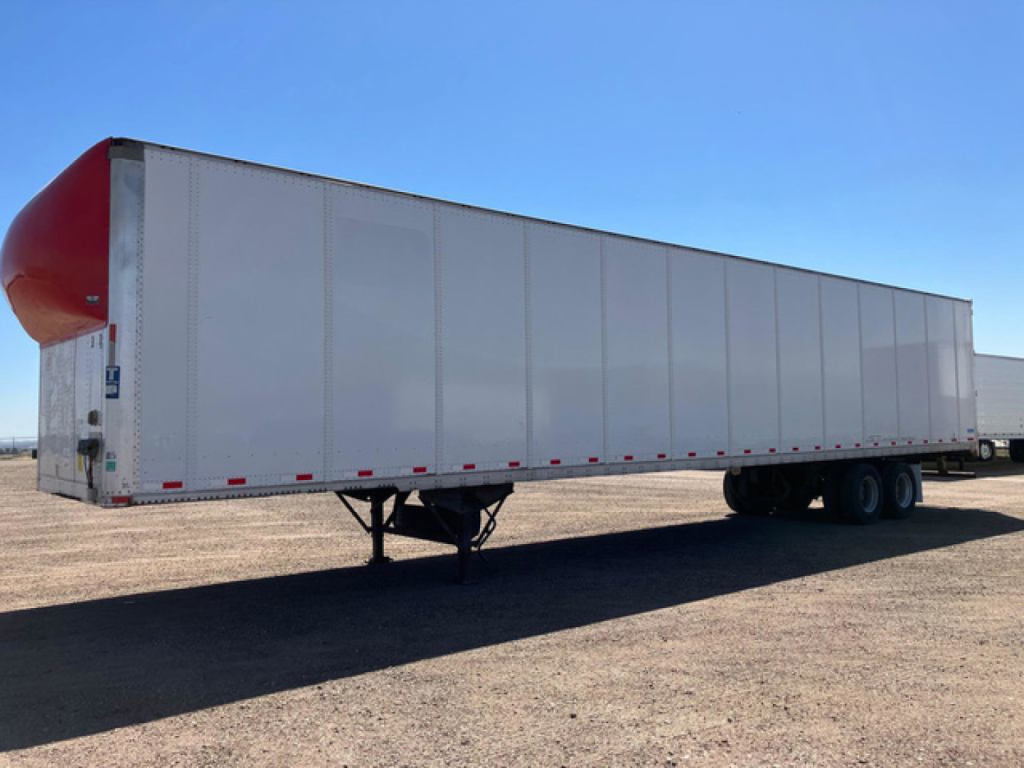
Have stoughton van trailer to sell? List it here to reach thousands of buyers.
About Stoughton Van Trailers in South Dakota
A typical Stoughton dry van trailer is configured as a 53-foot plate van with swing doors, tandem axles, and air ride suspension, though exact specs vary by year and application. Plate vans are common because they balance acquisition cost with durability for regional and over-the-road work. Key construction details include roof type, floor condition, sidewall integrity, crossmember spacing, rear frame wear, and the condition of the nose structure. If the trailer will spend time at busy docks, look closely at scuff liners, threshold wear, door hardware, and evidence of forklift damage inside the body. Tire condition, wheel material, brake life, and air system health also deserve attention because those items can quickly change the real cost of a used trailer.
Stoughton has long been a recognized name in the van trailer segment, and buyers often compare these trailers against Wabash, Great Dane, Hyundai, and Utility dry vans. The decision usually comes down to body condition, tare weight, maintenance history, and how the trailer was previously used. A clean fleet-maintained Stoughton van with sound floors, straight rails, and solid doors can be a strong fit for carriers focused on standard dry freight. If your operation loads heavy and cycles trailers hard, inspect landing gear mounts, slider operation if equipped, kingpin plate wear, and signs of cracking or corrosion around high-stress points. In northern climates, corrosion on the understructure and rear impact area should be part of any serious evaluation.
For buyers sorting through multiple Stoughton van trailers for sale, the best value is not always the lowest asking price. Door seals, roof repairs, suspension wear, brake spec, and tire remaining tread can matter as much as model year. It also helps to confirm GVWR, payload target, axle spread, wheelbase, and any fleet spec differences that affect interchangeability with the rest of your trailer group. A van trailer that matches your dock height, loading pattern, and freight profile will usually outperform a cheaper trailer that needs immediate shop time or creates daily loading inefficiencies.
Frequently Asked Questions
What should I inspect first on a used Stoughton van trailer?
Start with the floor, roof, sidewalls, rear frame, and doors. These areas tell you a lot about how the trailer was used and how much repair work may be coming. Forklift damage, soft floor sections, roof patching, bent rear sill components, and worn door hardware can all affect uptime and dock performance. After that, inspect suspension, brakes, tires, wheels, air lines, and the kingpin area to understand chassis condition and near-term maintenance cost.
Are Stoughton van trailers good for general dry freight?
Yes. Stoughton van trailers are commonly used for standard dry freight such as palletized consumer goods, paper products, packaged food, and retail shipments. They are best suited for freight that does not require temperature control or open-deck access. The right trailer for general freight should have a sound floor, good cube, tight doors, and a suspension setup that protects cargo while holding up to your lane profile.
What is the advantage of air ride suspension on a dry van trailer?
Air ride suspension helps reduce shock transfer to the trailer body and cargo compared with rougher spring ride setups. That matters for fragile freight, mixed pallet loads, and shippers focused on damage control. It can also improve driver acceptance and help protect the trailer structure over time. Buyers should still inspect ride height components, air bags, valves, and related hardware because air ride performance depends on system condition.
How do swing doors compare with roll-up doors on a van trailer?
Swing doors are common on dry vans because they provide full rear opening width, simpler hardware, and lower weight than most roll-up door assemblies. That makes them a strong fit for dock loading and high-cube freight. Roll-up doors can be useful for certain city and multi-stop applications, but they typically reduce rear opening height and add maintenance points. For many linehaul and warehouse operations, swing doors remain the preferred setup.
Does model year matter more than condition on a Stoughton van trailer?
Condition usually matters more. A newer trailer with a damaged floor, roof leaks, poor tires, or corrosion issues can cost more to own than an older trailer that was fleet maintained and structurally sound. Model year still affects resale value, financing, and parts age, but buyers usually get the clearest picture of value by comparing structural condition, maintenance history, remaining brake and tire life, and how closely the trailer matches their freight and loading needs.