
Van Trailers For Sale in New Jersey
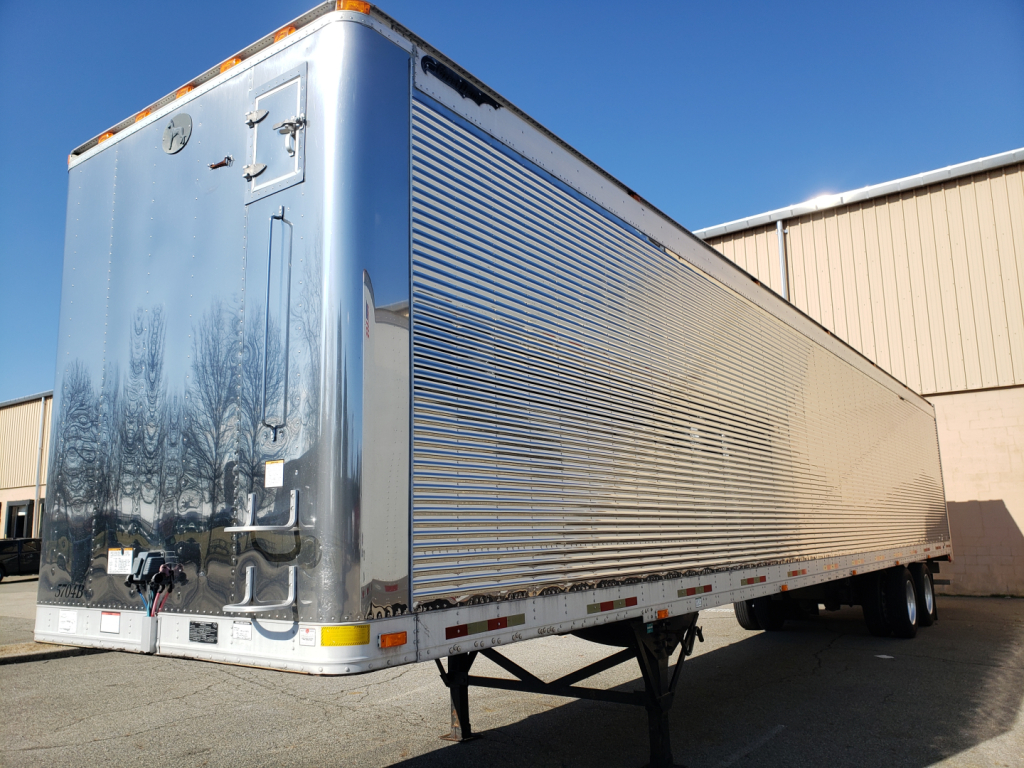
Shop van trailers for sale, including 53-foot dry vans with air ride, swing doors, logistics-ready specs, and freight-hauling versatility.
Learn moreBrowse Van Trailers by Make
Have van trailer to sell? List it here to reach thousands of buyers.
About Van Trailers in New Jersey
A dry van buyer should pay close attention to structure and cargo control. Interior lining, scuff bands or scuff liners, E-track, logistics posts, duct floors, and sidewall condition all affect how easily the trailer handles mixed freight and how well it holds up under forklift traffic. Roof construction also matters. A translucent roof can improve daytime visibility inside the trailer, while aluminum or composite roof designs may change repair cost and long-term durability. Rear door style is usually swing door, but side doors can be valuable for route work or specialty loading. Floor condition is critical on any van trailer, especially on older units, because concentrated forklift loads expose weak boards, rot, delamination, and fastener issues quickly.
Suspension, axle spread, and tire package have a direct effect on payload, ride quality, and operating cost. Air ride suspension is common when carriers want better freight protection and less trailer shock on sensitive loads. Sliding tandem axles remain the most versatile setup because they help with dock positioning, weight distribution, and state bridge requirements. Tire size, wheel material, brake condition, and hub or drum life should be reviewed closely on used trailers, along with kingpin wear, crossmember condition, upper coupler plate integrity, and signs of prior impact at the nose, rear frame, or threshold. Corrosion around the rear sill, door frame, and landing gear mounts is worth checking closely in Northeast service.
For many fleets and owner-operators, the right van trailer is less about headline specs and more about matching the trailer to the freight lane. A trailer set up with E-track, vents, a side door, and a clean plywood-lined interior may fit dedicated retail, final-mile support, or specialized dry freight better than a basic warehouse-to-warehouse unit. Buyers comparing van trailers for sale should look at empty weight, inside height, suspension type, axle slide range, door seal condition, and evidence of consistent maintenance. A well-matched dry van trailer can deliver broad load acceptance, strong resale demand, and straightforward maintenance compared with more specialized trailer types.
Frequently Asked Questions
What is the difference between a dry van trailer and other van trailers?
A dry van trailer is the standard enclosed box trailer used for non-temperature-controlled freight. It protects cargo from weather and theft, but it does not include the refrigeration unit and insulated body of a reefer. Compared with curtain-side or flatbed equipment, a dry van offers better cargo security and cleaner freight conditions, though loading is usually limited to the rear unless the trailer has an added side door.
What length and axle setup are most common on van trailers?
The most common van trailer in over-the-road service is a 53-foot tandem axle dry van with a sliding tandem. That setup works well for dock freight, palletized shipments, and interstate operation because it gives the carrier flexibility to adjust axle position for weight distribution and state bridge requirements. Shorter lengths such as 28-foot pup trailers and 48-foot vans are still used in regional and LTL applications, but 53-foot trailers dominate general freight.
What should I inspect first on a used van trailer?
Start with the floor, roof, rear frame, suspension, brakes, tires, and door structure. The floor needs to support repeated forklift traffic without soft spots, cracked boards, or delamination. The roof should be free of leaks and patchwork that suggests recurring water intrusion. Buyers should also inspect the crossmembers, landing gear mounts, kingpin area, upper coupler plate, and rear sill for cracking, corrosion, or impact damage. Door seals, hinges, and locking hardware are important because they affect cargo protection and DOT readiness.
Is air ride suspension worth it on a dry van trailer?
Air ride suspension is often worth the added cost when the trailer handles higher-value, fragile, or damage-sensitive freight. It reduces trailer shock compared with many spring ride setups and can help protect packaged goods, electronics, beverages, and other palletized loads. Air ride can also improve overall trailer stability and driver acceptance, though maintenance condition still matters more than the suspension label alone. A neglected air ride system can become more expensive than a well-kept mechanical suspension.
What cargo control features are useful in a van trailer?
Useful cargo control features depend on freight mix, but common upgrades include E-track, logistics posts, scuff liners, plywood lining, and load securement points. E-track is especially helpful for fleets that haul mixed pallet counts or partial loads because it gives flexible tie-down positions. Scuff protection helps reduce sidewall damage from forklifts and shifting freight. Buyers hauling retail, consumer goods, or route freight often place a premium on these interior features because they improve trailer versatility and reduce repair costs over time.