
Kentucky Trailer Van Trailers For Sale in New York
Shop Kentucky Trailer van trailers for sale in New York. Compare 53-foot dry van and moving trailer specs, construction, doors, liftgates, and GVWR.
Learn more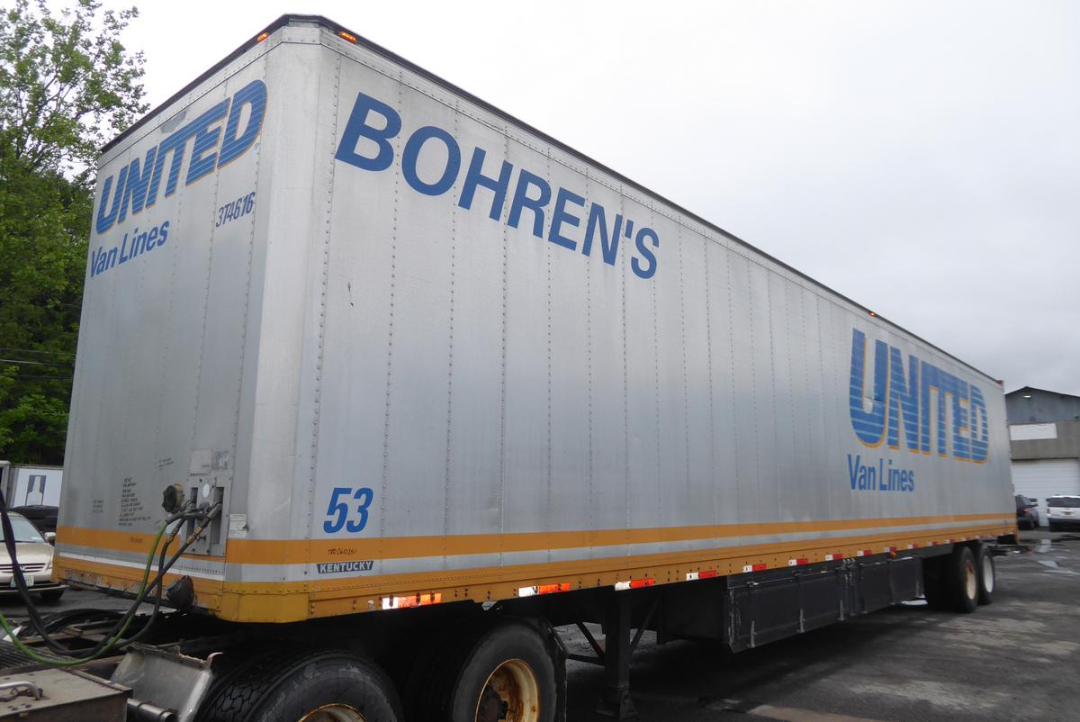
Have kentucky trailer van trailer to sell? List it here to reach thousands of buyers.
About Kentucky Trailer Van Trailers in New York
A lot of the buying decision comes down to trailer configuration. A typical Kentucky Trailer van may be 53 feet long and 102 inches wide, often with a higher interior profile than a standard dry van. Buyers should pay close attention to overall height, interior clearance, rear door opening dimensions, and floor composition. Moving-spec trailers frequently use aluminum trailer construction to manage tare weight, with wood-over-steel or mixed-material floors designed for repeated hand loading, decking, and furniture pad traffic. Swing rear doors are common, and some units include curbside access compartments or passenger-side doors that improve route efficiency for specialized unloading. If the trailer has a liftgate, verify manufacturer, platform size, capacity, and current operating condition, since liftgate repairs can quickly change the true cost of a used trailer.
Running gear and structural details matter just as much as the box. Check axle setup, especially if the trailer has a slideable tandem for bridge law compliance and dock positioning. Suspension type, tire size, wheel spec, brake system, and kingpin area condition should all be inspected closely. On Kentucky Trailer moving vans, buyers should also look at roof condition, including translucent or transparent roof panels, sidewall integrity, floor wear at high-traffic zones, and signs of water intrusion around doors, seams, and compartment openings. Because these trailers are often used in urban service, repeated dock contact and tight-turn damage around the rear frame, corners, and lower side rails are worth checking.
For New York operators, the right Kentucky Trailer van trailer often depends on route density, loading style, and building access. A high-cube moving trailer can be a strong fit for borough deliveries, commercial relocation work, and padded van service when interior access and cargo protection are priorities. A more conventional van setup may suit dedicated dry freight, store fixtures, trade show freight, or bulky but lightweight shipments. The key is matching body design to the freight: rear-only loading versus side access, standard dock work versus liftgate delivery, and lightweight cube haul versus higher payload needs. A well-matched Kentucky Trailer van can offer long service life, strong body integrity, and features that are hard to find on a generic dry van trailer.
Frequently Asked Questions
What is a Kentucky Trailer van trailer typically used for?
Kentucky Trailer van trailers are commonly used for household goods moving, commercial relocation, store fixture delivery, event logistics, and other dry freight applications that need weather protection and high interior cube. Many are built with specialized access points, taller interiors, and custom body features that make them different from a standard over-the-road dry van. Buyers often choose them when freight handling and cargo protection are more important than maximizing pure pallet count.
What should I inspect first on a used Kentucky Trailer moving van?
Start with the body and floor, because these trailers often see heavy hand-loading and repeated interior contact. Check the floor for soft spots, wear tracks, patchwork, and separation between wood and steel components. Then inspect the roof, sidewalls, door frames, rear frame, and any side compartments for leaks, impact damage, or structural repairs. If the trailer has a liftgate, test it under operation and confirm the cylinder, pump, platform, and controls are functioning properly.
Are Kentucky Trailer van trailers different from standard dry vans?
Yes. Many Kentucky Trailer van trailers are purpose-built for moving and specialized dry freight rather than general palletized freight. They may have taller bodies, different rear door dimensions, side access compartments, translucent roof panels, custom interiors, and liftgates. A standard dry van is usually more uniform in spec, while a Kentucky Trailer van is often optimized for a specific freight profile or service model.
Why does axle configuration matter on a van trailer in New York?
Axle configuration affects bridge compliance, weight distribution, turning behavior, and dock approach. A slideable tandem can help operators adjust axle spacing for legal weight distribution and improve flexibility across different routes and facilities. In tighter urban areas, axle position also influences trailer tracking and maneuverability, which matters for city deliveries, warehouse yards, and customer locations with limited space.
Is an aluminum Kentucky Trailer van better than a steel trailer?
An aluminum-bodied trailer usually offers lower tare weight and strong corrosion resistance, which can be an advantage for high-cube and specialized freight. That said, the better trailer is the one that matches the application and has been maintained well. Buyers should focus on overall structural condition, floor integrity, repair history, and body alignment rather than assuming material alone determines value.