
Hyundai Van Trailers For Sale in California
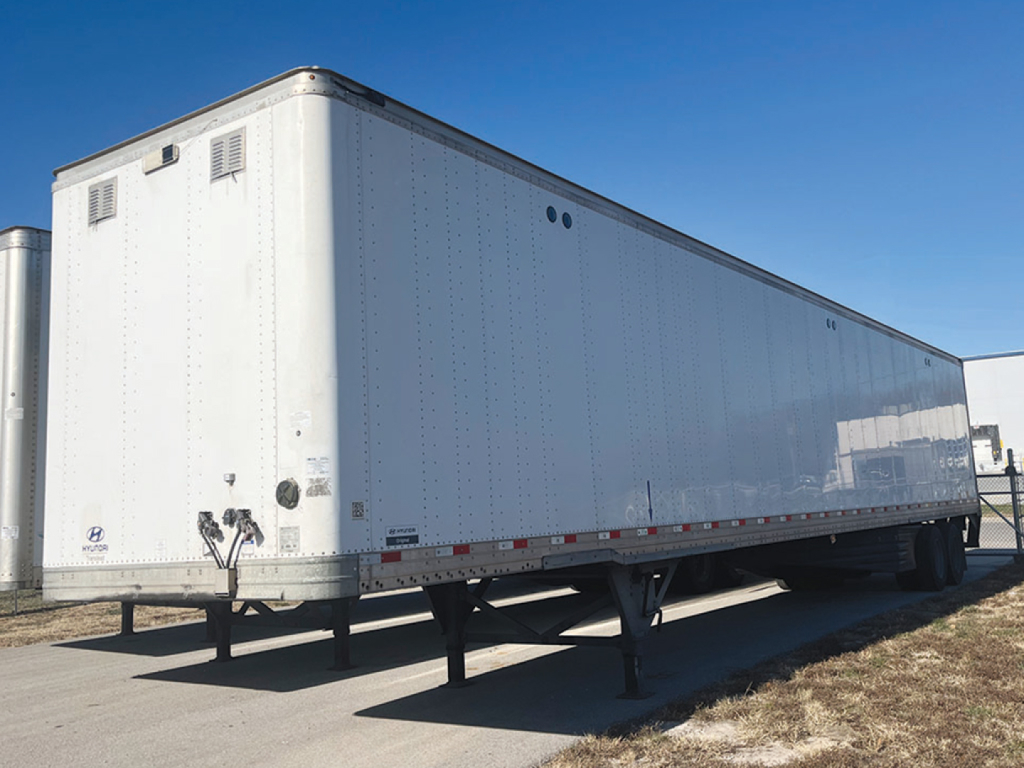
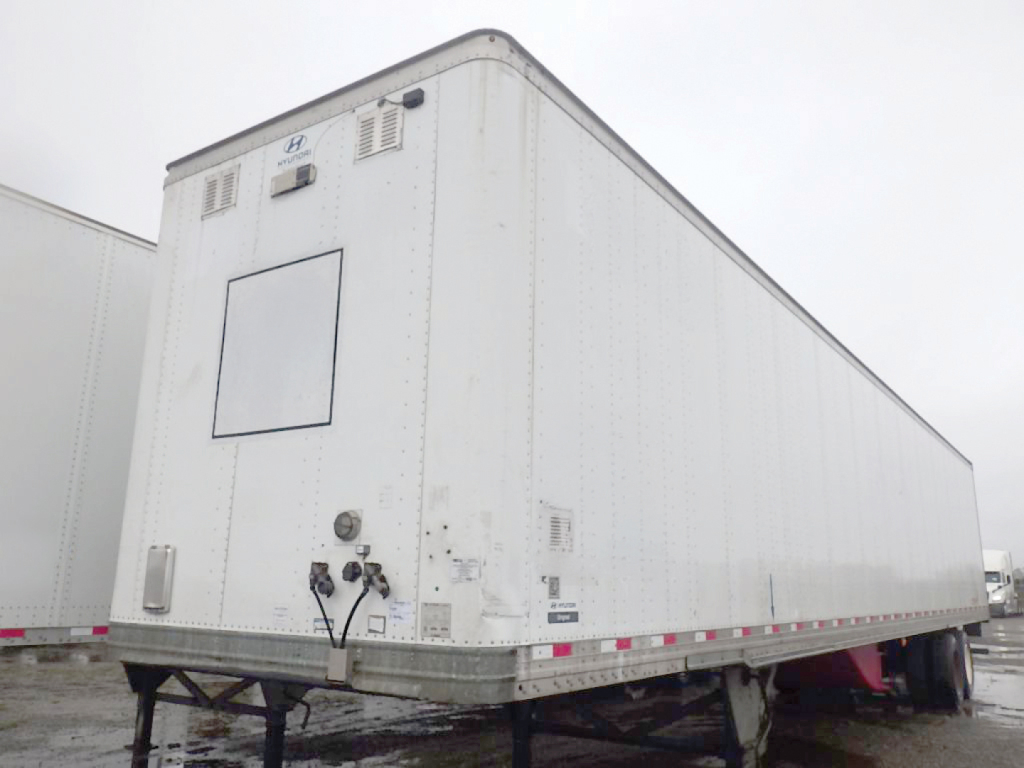
Shop Hyundai van trailers for sale in California. Compare 53-foot dry vans with logistics-ready specs like E-track, roll-up doors, and sliding tandems.
Learn more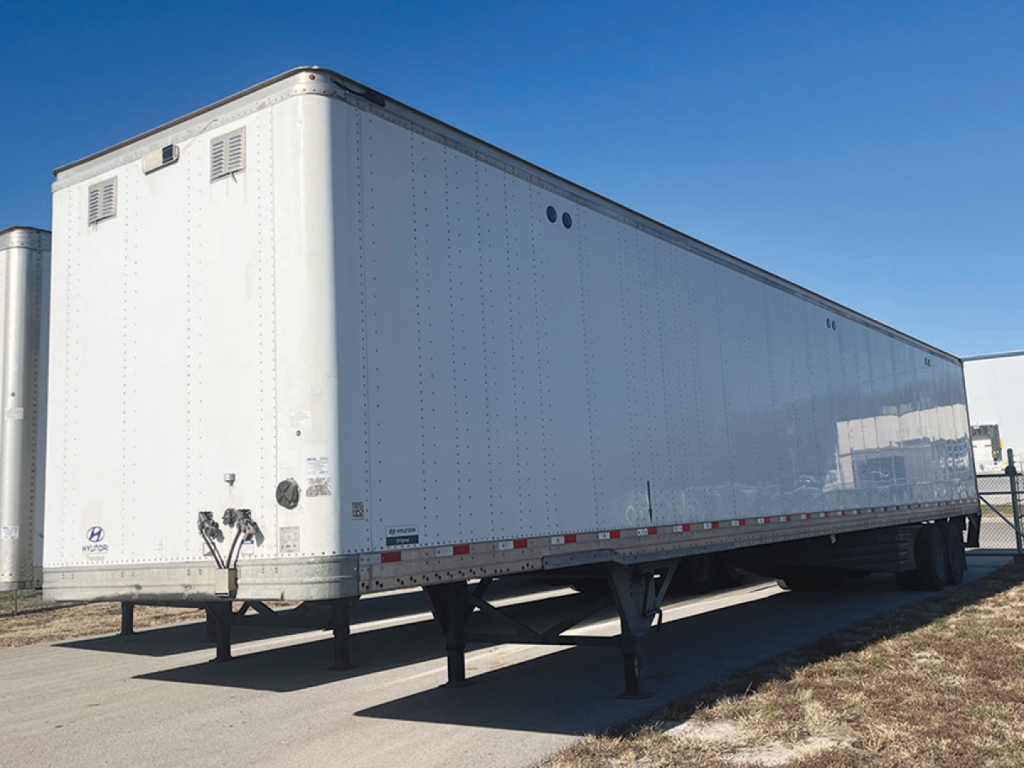
Have hyundai van trailer to sell? List it here to reach thousands of buyers.
About Hyundai Van Trailers in California
Many Hyundai van trailers are aluminum-bodied dry vans with wood floors, plywood lining, scuff plates, and threshold plates. That is a practical combination for fleets that need a durable interior that can handle forklift traffic and repeated dock loading without excessive wall damage. E-track is an important feature if the trailer will be used for mixed freight or partial loads, since it gives drivers and warehouse crews more securement options than a plain wall interior. Front and rear vents are also common and can help reduce moisture buildup in temperature-sensitive but non-refrigerated freight. A galvanized rear frame or rear structure is worth noting on used units because it tends to hold up better in high-contact dock environments.
For California operations, pay close attention to tandem configuration and tire setup. Sliding tandems matter if the trailer will move through different bridge laws, loading patterns, and warehouse yard constraints. Low-profile 22.5 tires are common on fleet-spec vans and can influence deck height and replacement cost. Spring suspension is still widely seen on dry vans in this segment because it is straightforward, proven, and easy to service across large maintenance networks. Some Hyundai van trailers also include tire inflation systems, which can help extend tire life and reduce irregular wear in linehaul service. Roll-up doors are popular for frequent dock stops, though buyers should inspect door tracks, seals, and rear frame alignment closely on any used van trailer.
A good Hyundai dry van buyer should evaluate the trailer as a freight tool, not just a year model. Inside height affects cube. Floor condition affects forklift service life. Wall liners and scuff protection affect how well the trailer handles dense, shifting, or high-touch freight. Rear frame condition, crossmember integrity, roof condition, and prior impact damage matter just as much as suspension and wheel-end service history. Hyundai van trailers are also known as dry van trailers, enclosed van trailers, or box trailers in some markets, and they remain one of the most versatile trailer categories for fleets that need secure, weather-protected cargo capacity without the added complexity of refrigerated equipment.
Frequently Asked Questions
What are the most common specs on a Hyundai van trailer?
The most common Hyundai van trailer configuration is a 53-foot dry van with a 102-inch exterior width and an overall height around 13 feet 6 inches. Many units have interior heights in the 100-inch to 104-inch range, aluminum body construction, wood floors, plywood-lined walls, sliding tandems, and roll-up rear doors. Fleet-spec trailers often include scuff liners, threshold plates, front and rear vents, and 22.5 low-profile tires.
Is a Hyundai van trailer a good fit for general freight?
Yes. Hyundai dry vans are widely used for palletized freight, consumer goods, retail freight, packaged products, and other non-temperature-controlled loads. The enclosed body protects cargo from weather and theft, while common features like E-track, scuff plates, and wood floors make the trailer adaptable for both dedicated and mixed-freight applications.
What should I inspect first on a used Hyundai dry van trailer?
Start with the floor, roof, rear frame, door operation, crossmembers, and wall condition. On a high-cycle dry van, those areas tell you a lot about forklift wear, prior impact damage, water intrusion, and long-term structural health. After that, check suspension components, tandem slider operation, wheel ends, tire condition, brake components, and any tire inflation system if equipped.
Why do sliding tandems matter on a van trailer?
Sliding tandems give operators more flexibility in axle weight distribution and trailer positioning. That matters for bridge law compliance, kingpin-to-rear-axle measurements, dock approach angles, and balancing heavy versus light loads. In regional and multi-state freight, a sliding tandem can make a trailer easier to route across different customer locations and legal requirements.
What is the advantage of E-track and plywood lining in a dry van?
E-track gives you more cargo securement options for mixed loads, partial shipments, and irregular freight that needs straps or load bars positioned at different points along the wall. Plywood lining and scuff protection help absorb day-to-day abuse from pallets and forklifts, which can reduce interior wall damage and keep the trailer more serviceable over time.