
Great Dane Van Trailers For Sale in Colorado
Browse Great Dane van trailers for sale in Colorado. Compare 53-foot dry van specs, side skirts, air ride sliders, logistics posts, and more.
Learn more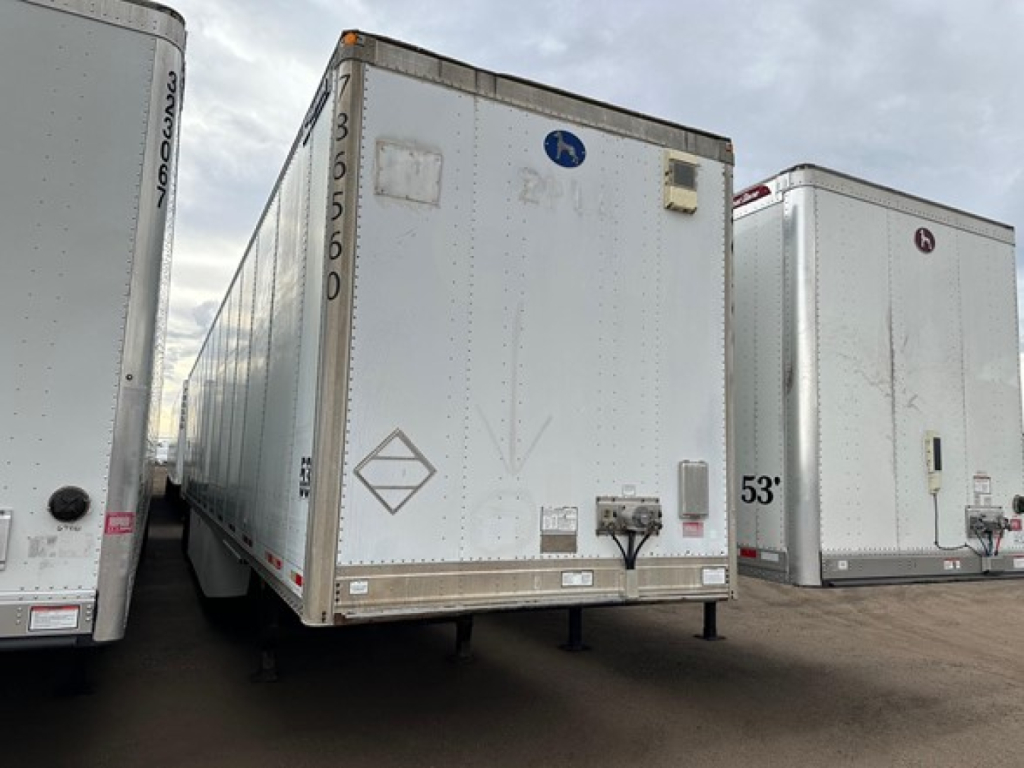
Have great dane van trailer to sell? List it here to reach thousands of buyers.
About Great Dane Van Trailers in Colorado
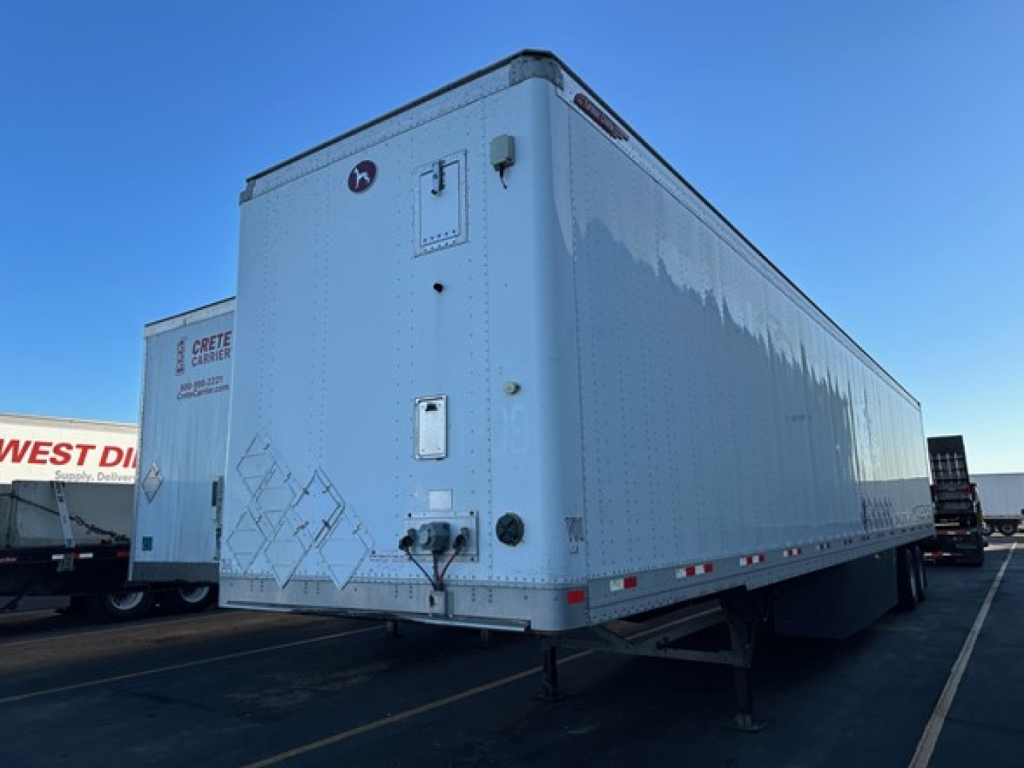
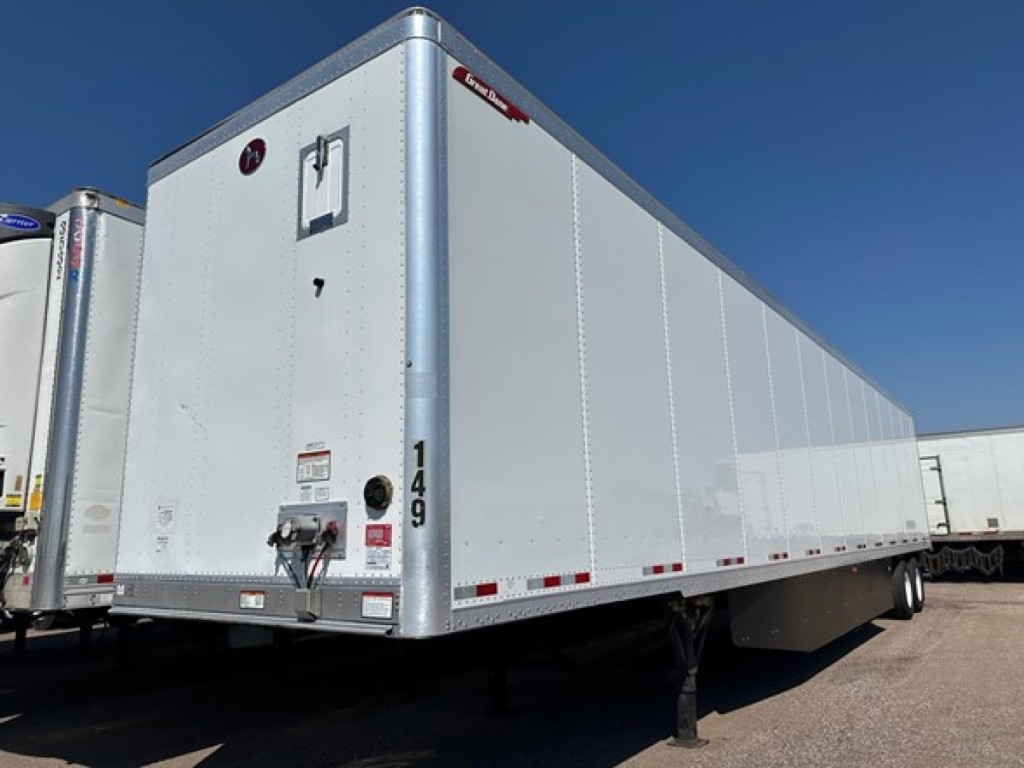
A buyer comparing Great Dane dry van trailers should pay close attention to tandem configuration, suspension, tire system, and trailer side construction. Closed tandem setups are common on fleet-spec vans and are often paired with air ride suspension and an air pin slider for easier axle adjustment and dock positioning. Features like PSI tire inflation systems, anti dock walk, side skirts, and mechanical scales can make a meaningful difference in operating cost and day-to-day usability. Smooth side panels, composite or plate wall construction, aluminum roofs, and aluminum front corners are all worth noting because they affect repair cost, trailer weight, and long-term durability.
Inside the trailer, the freight handling spec matters as much as the outer shell. Wood floors remain common because they are proven under forklift traffic and easier to repair section by section. Logistic posts, scuff protection such as wearbands or scuff liners, threshold plates, and rear swing doors all influence how well the trailer fits multi-stop freight, dock loading, and warehouse use. Buyers should inspect floor condition, crossmember integrity, roof bows, rear frame area, and door hardware closely, especially on older dry vans that may have spent years in heavy distribution service. Vent placement, door seal condition, and signs of past sidewall or rear impact repairs are also important on used van trailers.
For many fleets and owner-operators, a Great Dane van trailer is a straightforward dry van spec with few surprises. The key is matching the trailer to the lane and the freight. A lighter trailer may favor cube-sensitive freight and longer highway runs, while a more heavily spec'd unit with added durability features may be better for frequent dock turns and tougher handling environments. Also known simply as a dry van trailer or box trailer, this category is built around cargo protection, loading efficiency, and low drama over high miles. Great Dane remains a strong name in that segment because the trailers are familiar to drivers, shops, and fleet managers across the country.
Frequently Asked Questions
What should I look for when buying a used Great Dane van trailer?
Focus first on structural condition and freight-contact areas. Check the floor for soft spots, patches, and forklift damage, then inspect crossmembers, rear frame, threshold plate, roof, and sidewalls for repairs or cracking. Door fit, lock rods, seals, slider operation, suspension condition, and tire wear are also key. On a Great Dane dry van, features like logistics posts, scuff protection, side skirts, and PSI tire inflation should be evaluated for both function and repair cost.
Are Great Dane Champion trailers good for general dry freight?
Yes. The Great Dane Champion is a widely used dry van trailer for general freight, retail freight, palletized shipments, and dedicated distribution work. It is known for practical fleet specs, broad service familiarity, and configurations that commonly include air ride suspension, sliding tandems, swing doors, wood floors, and logistics posts. That makes it a strong fit for buyers who want a standard 53-foot dry van that is easy to integrate into everyday freight operations.
Why do side skirts and tire inflation systems matter on a dry van trailer?
Side skirts help reduce aerodynamic drag, which can improve fuel economy in highway service. Tire inflation systems such as PSI help maintain proper tire pressure, which supports tire life, fuel efficiency, and roadside reliability. On a van trailer that runs long miles across Colorado and surrounding states, both features can contribute to lower operating cost over time, especially in fleet or regional applications.
Is air ride with an air pin slider better than a fixed tandem setup?
For many buyers, yes. Air ride helps protect freight and generally improves ride quality compared with harsher suspension designs, while an air pin slider makes tandem adjustment easier and faster. That can be useful for axle compliance, dock approach, bridge law considerations, and balancing load placement. A fixed tandem may be simpler in some applications, but a sliding tandem dry van is the more versatile setup for mixed freight and broader route flexibility.
What trailer specs matter most for Colorado dry van use?
Colorado buyers often benefit from a dry van with solid suspension, good brakes, dependable tires, and a strong floor because routes can include steep grades, long interstate miles, winter weather, and frequent dock work. Venting, roof condition, rear door sealing, and undercarriage condition are worth close attention. If the trailer is expected to run mountain corridors or high annual mileage, aerodynamic features, tire systems, and a well-maintained slider can add real value.