
Used Trailers For Sale in Maryland
Browse used trailers for sale in Maryland, including dry vans, reefers, flatbeds, dumps, and equipment trailers for regional or port work.
Learn morePopular Trailers Categories
Have used trailer to sell? List it here to reach thousands of buyers.
About Used Trailers in Maryland
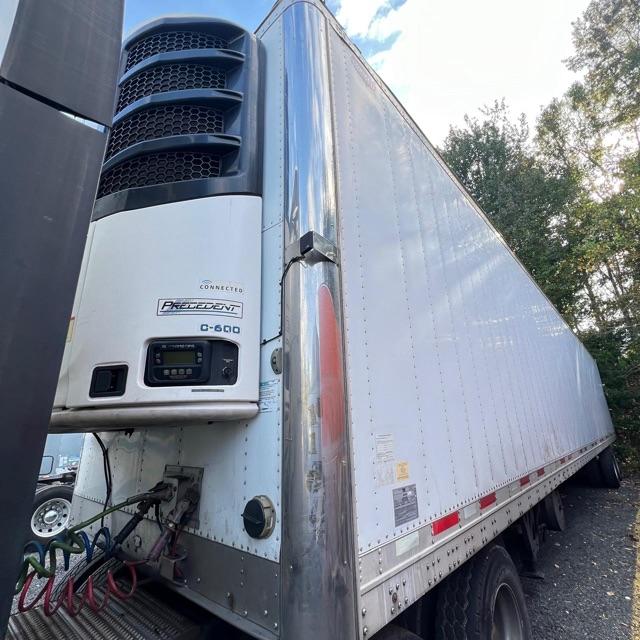
Maryland buyers often look closely at trailer dimensions, tare weight, and axle spread because those details affect payload, bridge law flexibility, and maneuverability in tighter urban and port environments. On van and reefer trailers, common checkpoints include roof condition, sidewall repairs, floor wear, rear frame corrosion, swing or roll door operation, and the status of air ride suspension, brakes, hubs, and tire inflation systems if equipped. Reefer shoppers should also verify unit hours, engine history, evaporator and chute configuration, fuel tank condition, and whether the trailer is set up for multi-temp freight. Flatbeds and platform trailers should be inspected for deck condition, crossmember fatigue, winch track wear, and evidence of concentrated load damage.
Used trailer specs vary widely by application. Dry vans are typically selected in 48-foot or 53-foot lengths with logistics posts, scuff liners, duct floors, and swing doors or roll-up doors depending on dock work and freight type. Refrigerated trailers, also known as reefer trailers, are commonly 53-foot units with aluminum or composite floors, insulated walls, and Thermo King or Carrier units. Flatbeds, step decks, and lowboys are chosen based on deck height, axle count, load securement layout, and legal hauling requirements. Dump trailers are judged heavily on body material, hoist condition, liner wear, gate configuration, and signs of hard aggregate service.
A strong used trailer purchase comes down to matching the trailer to the freight and verifying the high-cost components before money changes hands. Buyers in Maryland should pay attention to corrosion from coastal exposure, title status, VIN plate legibility, inspection records, and signs of prior frame or suspension repair. It also helps to confirm wheel end service history, brake remaining life, kingpin wear, landing gear function, and current DOT-ready condition. A lower-priced trailer can still be the better value if the floor, frame, suspension, and major systems are sound, while a cleaner-looking unit can become expensive quickly if it needs structural work or refrigeration repairs.
Frequently Asked Questions
What should I inspect first on a used trailer in Maryland?
Start with the frame, suspension, brakes, tires, floor, roof, and rear structure because those are the areas that most directly affect safety, uptime, and repair cost. In Maryland, corrosion deserves extra attention, especially on trailers that have seen port service, winter road treatment, or coastal exposure. Check crossmembers, upper coupler, kingpin area, slider rails, and rear sill for rust, cracks, or repairs. On vans and reefers, inspect the floor for rot, gouging, or forklift damage, and make sure the doors seal and operate correctly.
Are reefer trailers a good used buy if the unit has high hours?
They can be, but reefer hours need to be judged alongside maintenance history, engine condition, and cooling performance. A well-maintained Thermo King or Carrier unit with documented service can still be productive at higher hours, while a neglected lower-hour unit can become expensive fast. Buyers should verify pull-down performance, look for alarm history, inspect the evaporator and chute setup, and confirm whether the trailer is configured for single-temp or multi-temp service. Unit hours alone do not tell the whole story.
Which trailer types are most common in the used market?
Dry vans, reefer trailers, flatbeds, step decks, dump trailers, and equipment trailers are among the most common used trailer categories. Dry vans are popular for general freight and warehouse distribution. Reefers are used for temperature-sensitive food and pharmaceutical loads. Flatbeds and step decks serve construction materials, machinery, and oversized freight. Dump trailers are common in aggregate, paving, and site work. The right choice depends on commodity, loading method, route restrictions, and required payload.
How important is axle configuration on a used trailer?
Axle configuration is a major buying factor because it affects legal payload, maneuverability, tire wear, and maintenance cost. Tandem axles are common on van, reefer, and flatbed trailers, but spread axles may offer advantages in weight distribution for certain operations. Buyers should also check slider function, axle alignment, suspension condition, and signs of uneven tire wear. A trailer with the wrong axle setup for the intended lane can create ongoing operating inefficiencies.
What makes one used trailer a better value than another?
The best value is usually the trailer with the strongest structural condition and the fewest expensive systems near failure. Buyers should compare floor condition, brake life, tire remaining tread, wheel end service, suspension wear, kingpin condition, and any evidence of frame or body repair. On reefer trailers, refrigeration performance and service records can outweigh appearance. On flatbeds and dumps, deck integrity, hoist condition, and frame health matter more than fresh paint. Value comes from remaining service life, not just asking price.