
Trailers For Sale Near Rensselaer, Indiana
Browse trailers for sale in Rensselaer, Indiana, including dry van trailer specs, axle setups, dimensions, flooring, suspension, and options.
Learn more
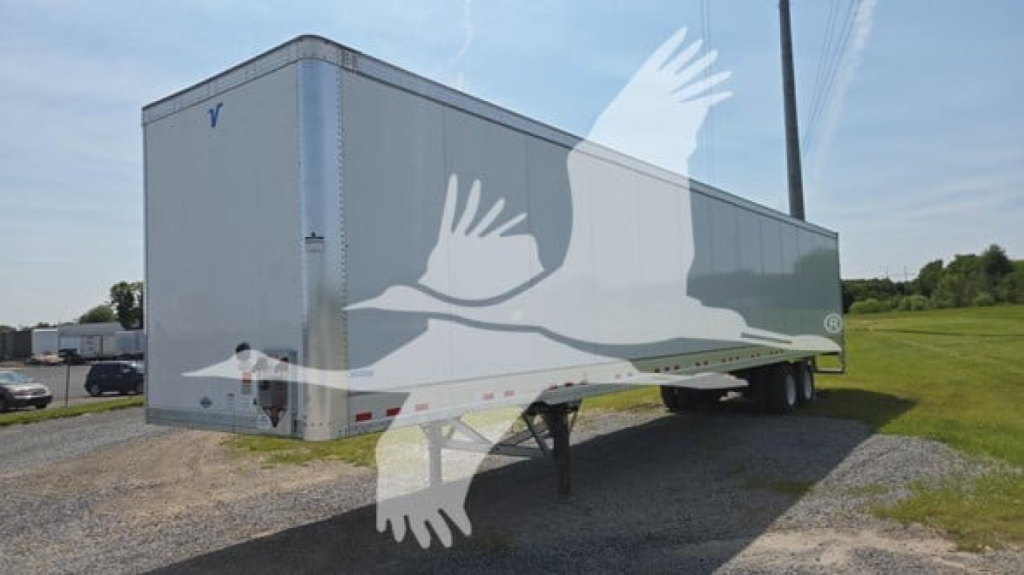
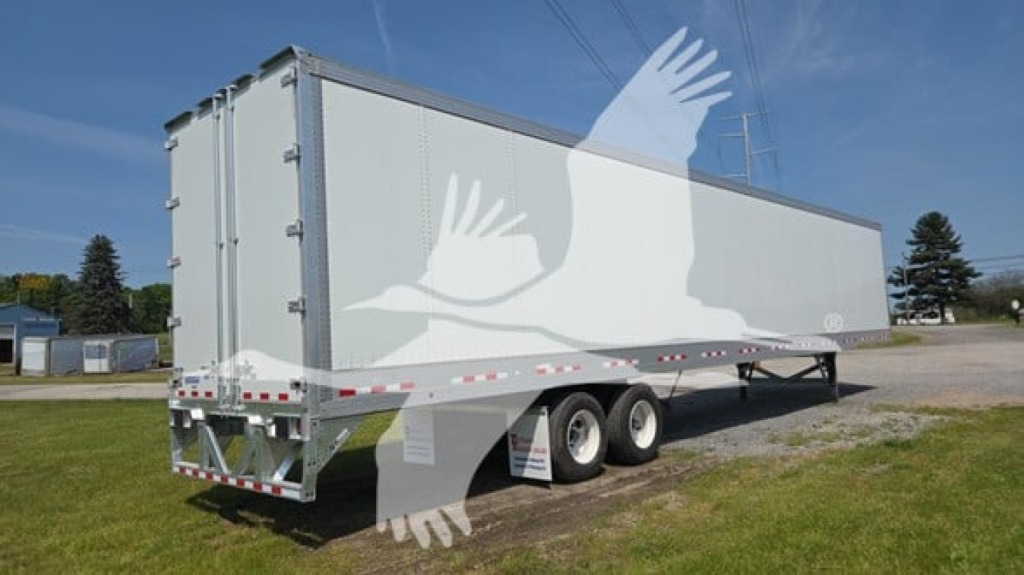
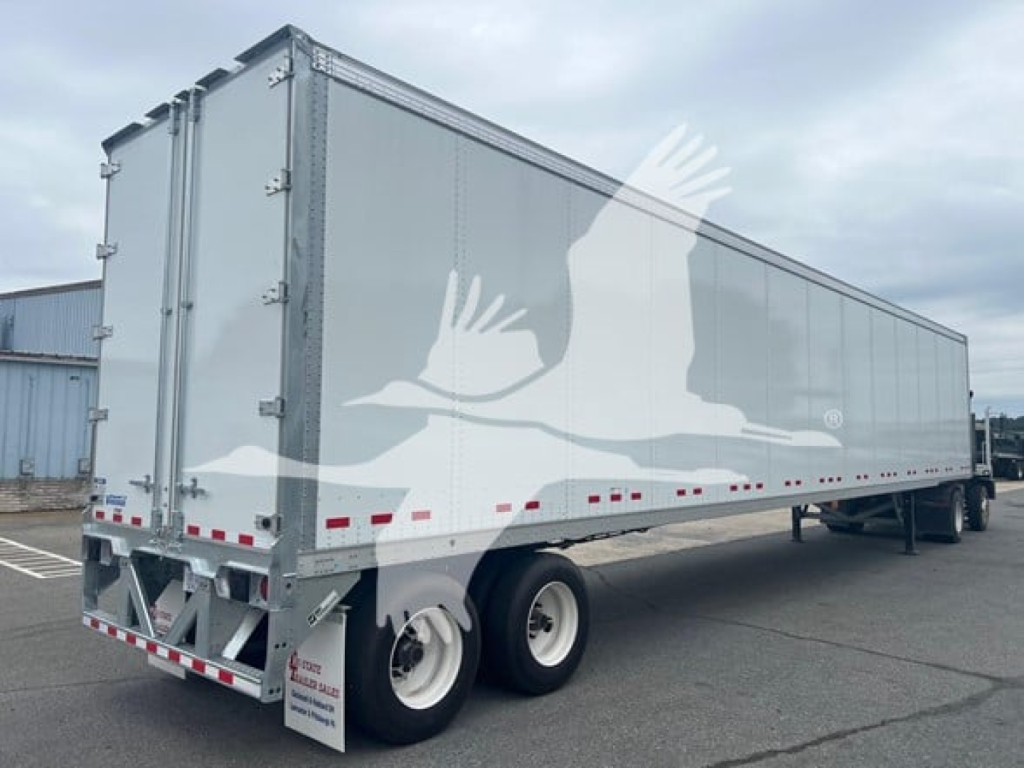
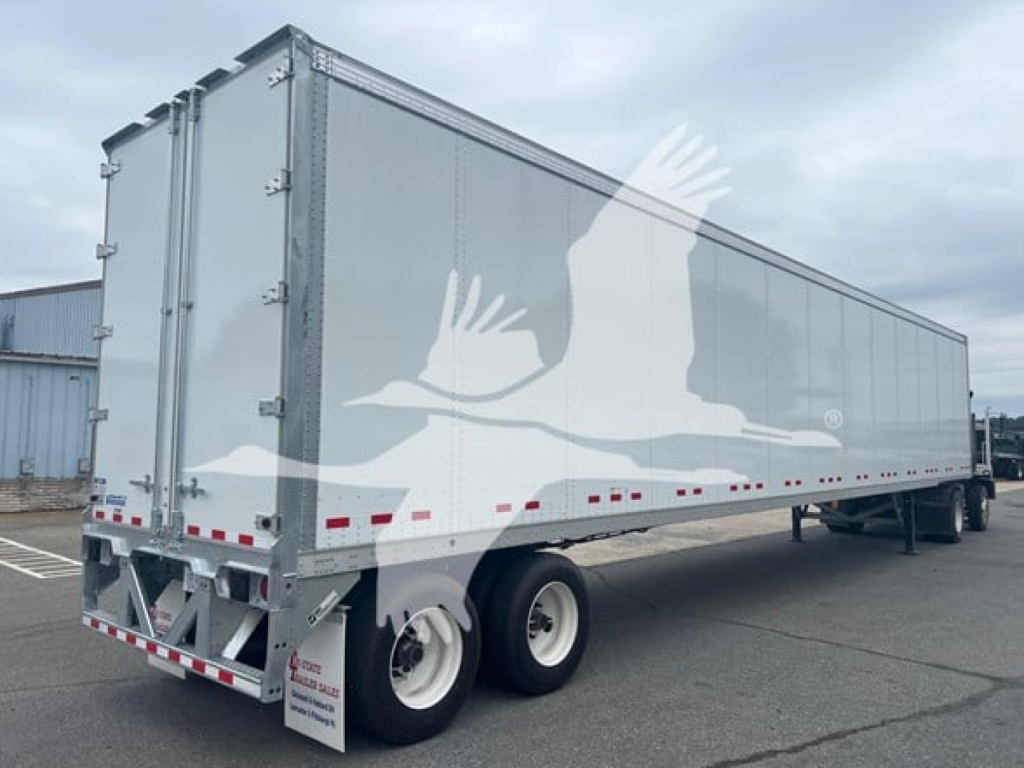
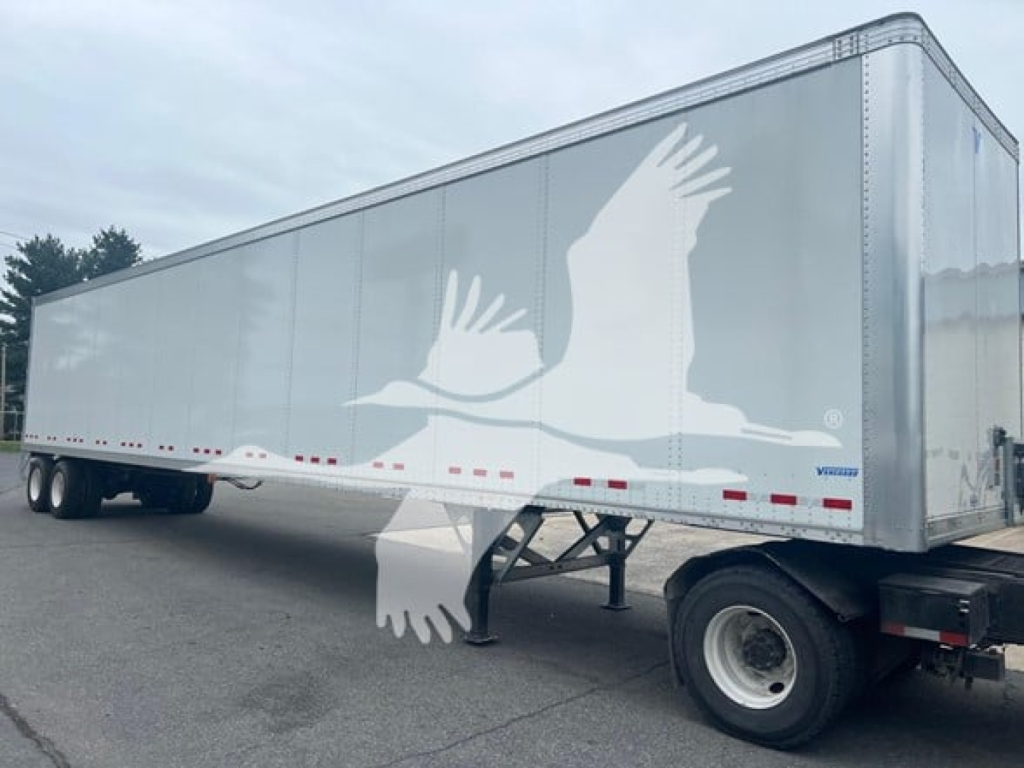
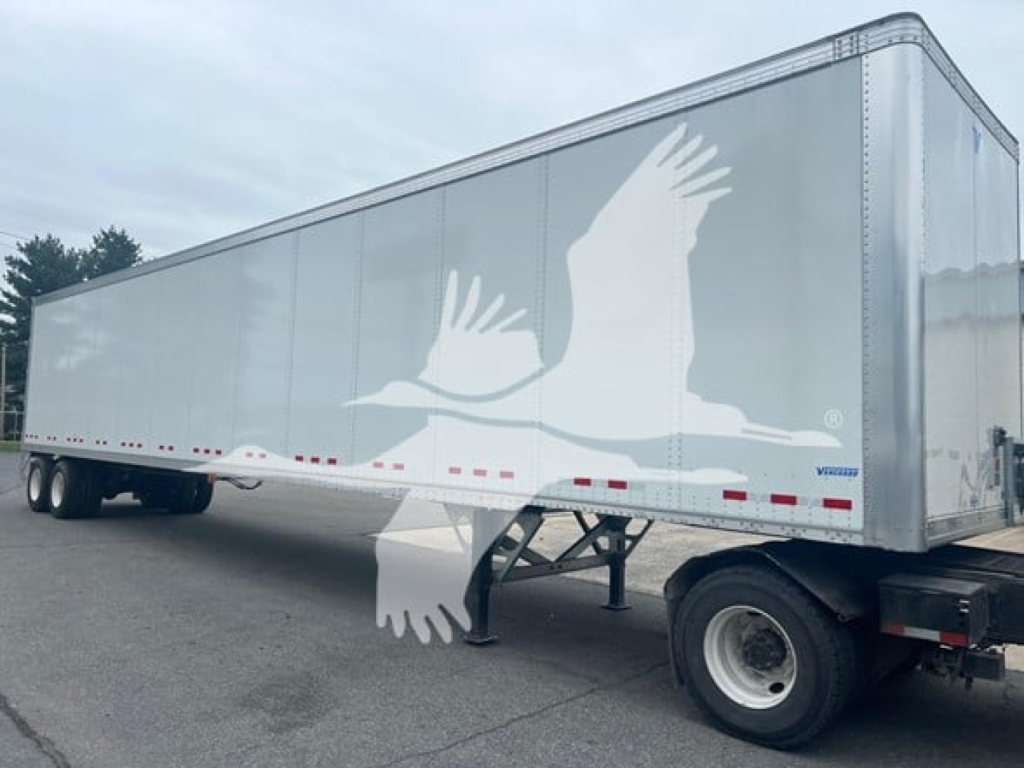
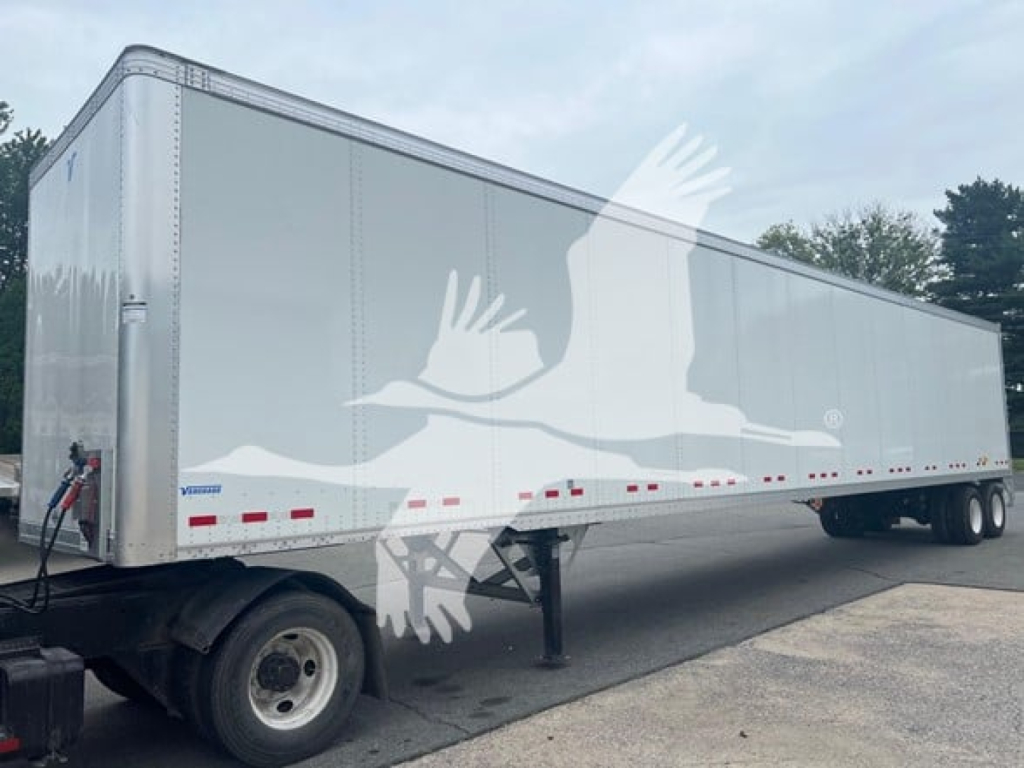
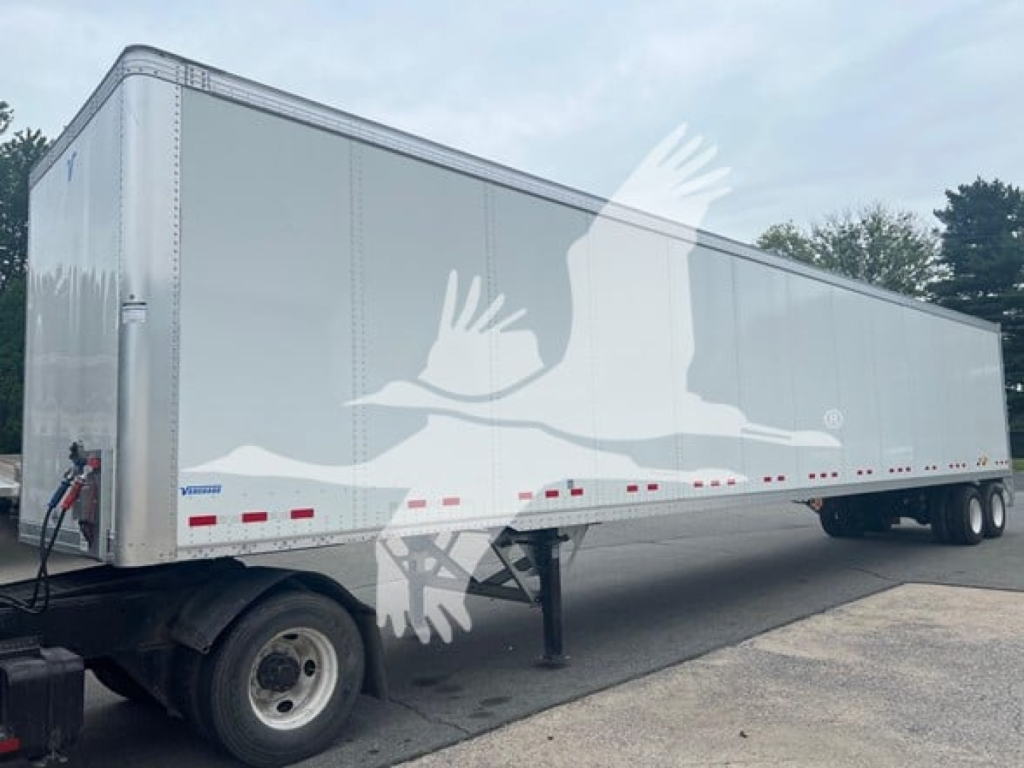
Showing 1 to 12 of 22 results
Have trailer to sell? List it here to reach thousands of buyers.
About Trailers Near Rensselaer, Indiana
The most important spec decisions are often in the understructure and cargo area. Sliding tandem suspensions with a common 49-inch setting and long slide rails give more flexibility for bridge law compliance and axle scaling. Air ride suspension remains the standard for general freight because it protects cargo better and helps with ride quality. Inside the box, wood floors around 1-3/8 inches thick are still widely used for forklift traffic, and floor ratings matter if you handle heavy palletized freight, beverages, paper, or concentrated loads. Crossmember spacing, threshold plate design, rear frame galvanizing, and reinforced dock bumpers all have a direct impact on service life in high-cycle loading environments.
Cargo control details also separate one trailer spec from another. Logistics posts, E-track alternatives, scuff liners, full-height nose lining, and durable interior lining packages all matter if the trailer will see mixed LTL, retail, food distribution, or dedicated shipper work. Door opening dimensions are worth checking closely, especially for taller or wider freight and frequent dock use. Swing doors are still the standard on many dry vans, and buyers should pay attention to hinge count, lock rod setup, rear frame protection, and bumper reinforcement. Tire inflation systems are increasingly common because they help manage tire cost, roadside downtime, and irregular wear across high-mileage fleets.
For buyers in Indiana and the Midwest, corrosion protection and dock durability should be high on the list. Galvanized rear frames, galvanized bumpers, anti-snag roof bows, quality landing gear, and proven ABS components can make a real difference over years of regional or over-the-road use. The best trailer choice depends on freight profile more than brand alone. Light cube freight, grocery distribution, multi-stop retail, and heavier forklift-loaded freight each push the spec in a different direction. Looking at side construction, floor rating, suspension package, kingpin setting, and interior width together will usually tell you more than the badge on the nose.
Frequently Asked Questions
What are the most common specs for a dry van trailer?
A common dry van trailer specification is 53 feet long, 102 inches wide, and 13 feet 6 inches tall overall, with tandem axles, a sliding suspension, air ride, swing doors, and a wood floor. Many late-model vans also include about 110 inches of interior height, around 101 inches of usable interior width, logistics posts, scuff liners, ABS, and optional tire inflation systems. These specs fit general freight, palletized goods, and dock-based distribution work.
What is the difference between sheet-and-post, plate, and composite side construction on trailers?
Sheet-and-post trailers use exterior skin over vertical posts and are a long-standing choice for general freight. Plate and composite plate designs typically provide a smoother, more damage-resistant sidewall and can reduce exterior waviness from hard use. The right choice depends on your freight, repair preferences, and operating environment. Buyers focused on dock abuse and sidewall durability often pay close attention to plate-style construction, while weight-sensitive operations may compare tare weight and repair economics across all three designs.
Why does a sliding tandem matter on a van trailer?
A sliding tandem gives the trailer more flexibility for axle weight distribution and bridge law compliance. That matters when freight weight changes from load to load or when operating across multiple states with different scale and spacing considerations. A common setup is a 49-inch suspension setting with long slide rails, which gives enough adjustment range to balance legal compliance, loading needs, and tractor-trailer fit.
What should I look for in a trailer floor and crossmember setup?
The floor and crossmember package should match the way the trailer is loaded. Forklift-intensive freight, heavy pallets, paper products, and beverages put much more stress on the floor than lightweight cube freight. Buyers should look at floor thickness, stated floor rating, crossmember spacing, and how the crossmembers are attached to the base rail. Closer crossmember spacing and higher floor ratings generally improve durability under concentrated loads, though they can add weight.
Are tire inflation systems worth it on trailers?
For many fleets, automatic tire inflation systems are worth serious consideration because they help maintain proper pressure across long mileage cycles. Better inflation can improve tire life, reduce irregular wear, support fuel efficiency, and cut roadside service events tied to low-pressure tires. They add some complexity, but on high-utilization trailers the maintenance and uptime benefits often justify the option.