
Utility Reefer Trailers For Sale in New Mexico
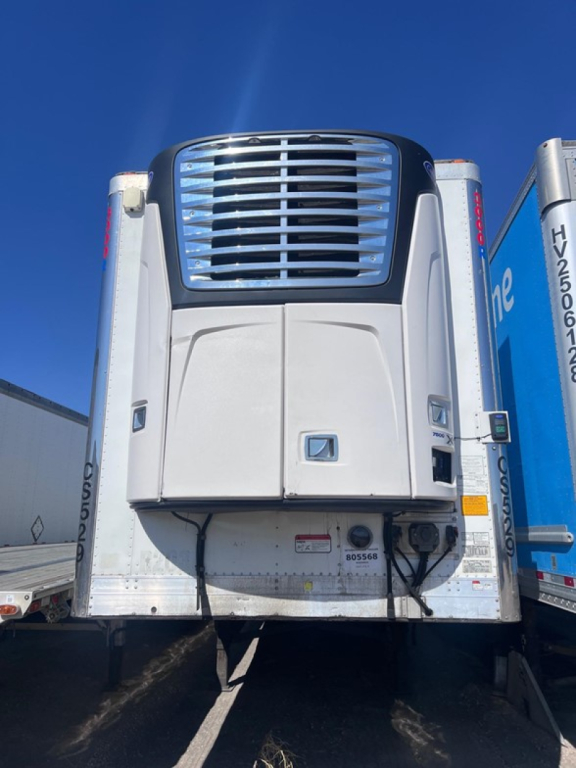
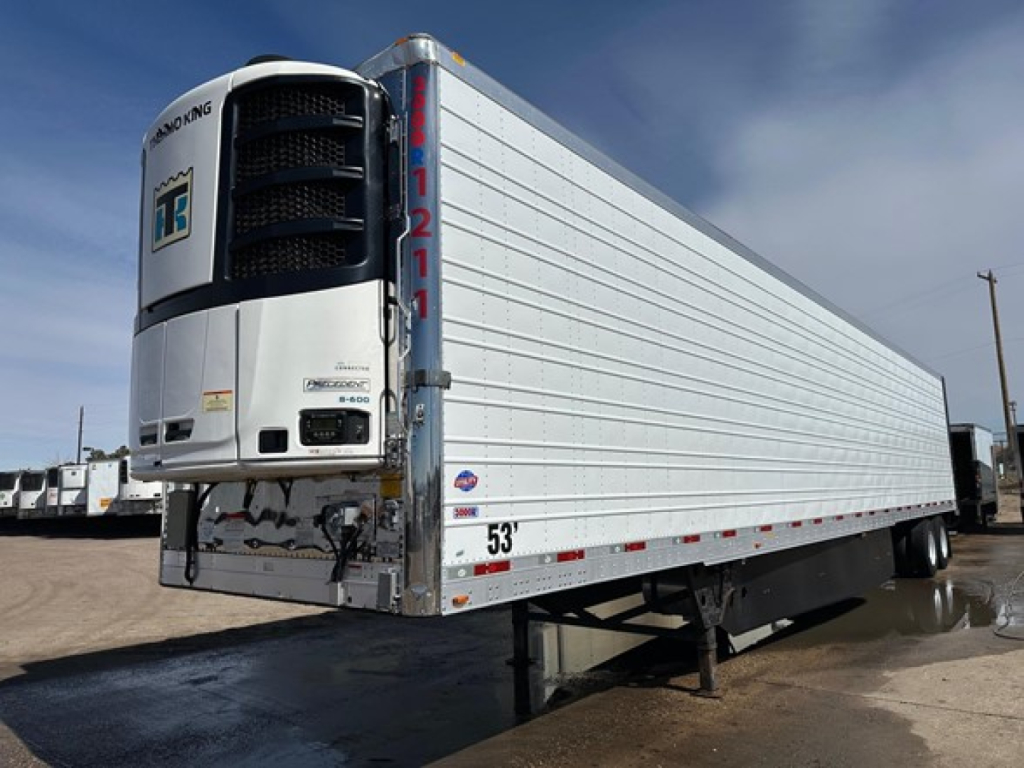
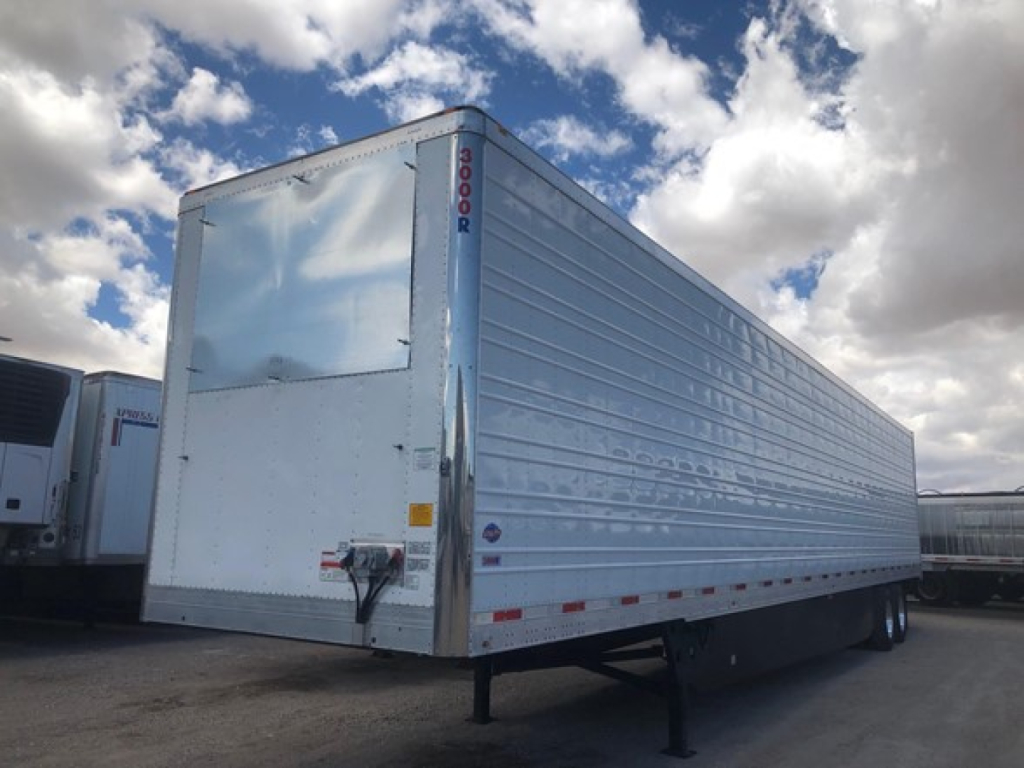
Shop Utility reefer trailers with 3000R features, air ride, duct floors, slider tandems, and diesel reefer units for cold-chain freight.
Learn more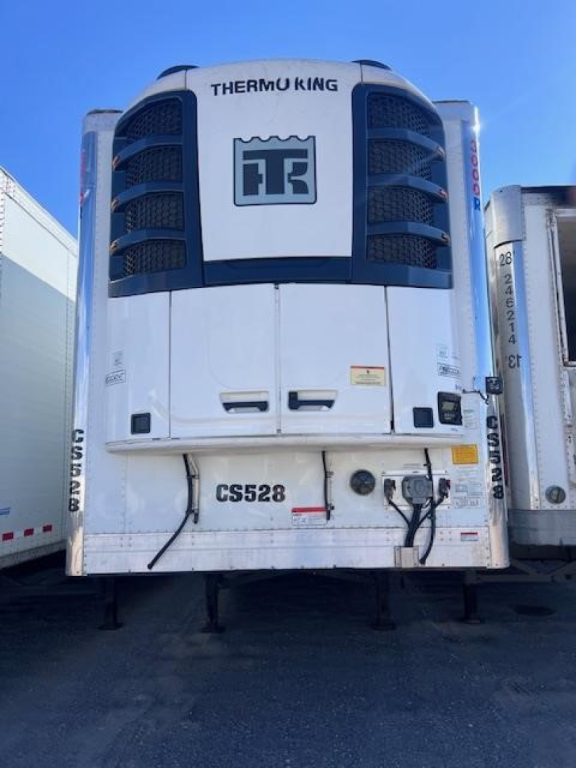
Have utility reefer trailer to sell? List it here to reach thousands of buyers.
About Utility Reefer Trailers in New Mexico
A buyer comparing Utility reefers should pay close attention to the refrigeration unit as much as the trailer itself. Carrier and Thermo King are the usual pair, and unit model, operating hours, emissions compliance, and service history all matter. In states like New Mexico, where trailers may see long interstate runs, high ambient temperatures, and mixed elevation, reefer performance under load is a practical concern. California-legal or CARB-compliant units can also affect long-term flexibility and resale, especially for fleets that may cross state lines or sell into western markets later.
Trailer spec details make a real difference in day-to-day use. Aluminum duct floors help maintain airflow under pallets, while wearbands protect the front wall from repeated forklift contact. Rear vents, chutes, quilted stainless rear doors, and anti-dock-walk features are common on food-service and grocery specs. Air ride suspension, slider tandems with air pin release, low-profile 22.5 tires, side skirts, and tire inflation systems such as PSI or TireMaxx Pro are all worth comparing because they affect payload, tire life, fuel economy, and dock positioning. Closed tandem setups may appeal to fleets with lane consistency, while sliding tandems add flexibility for bridge law and weight distribution.
Condition matters beyond the usual new versus used comparison. On a used Utility reefer, buyers should evaluate reefer hours, floor condition, door seal integrity, interior liner condition, suspension wear, and the condition of the scuff area and lower sidewall structure. On newer trailers, aerodynamic packages, stainless trim, lighting packages, and telematics readiness may be part of the value equation. Utility reefers are popular because the spec range is broad enough to fit regional delivery, dedicated fleet work, and long-haul refrigerated operations, while the core platform remains familiar to drivers, technicians, and fleet managers.
Frequently Asked Questions
What makes a Utility reefer trailer different from other refrigerated trailer brands?
Utility reefer trailers are known for lightweight construction, broad parts and service familiarity, and strong acceptance in fleet and resale markets. The 3000R platform is especially common, which makes it easier for many buyers to compare specs, maintenance history, and trailer condition across multiple units. Buyers often choose Utility because the platform is widely used in food-grade freight and can be found with a range of reefer units, suspension setups, and efficiency options.
What should I check first on a used Utility reefer trailer?
Start with the refrigeration unit hours, service records, and emissions status, then inspect the trailer body and floor. The most important wear areas usually include the duct floor, front wall wearband, rear frame, door hardware, seals, and lower interior scuff zones. Suspension components, slider operation, tire condition, and signs of previous impact damage also deserve close attention because reefer trailers often spend a lot of time at docks and under heavy palletized loads.
Are Utility reefer trailers commonly built as 53-foot trailers?
Yes. The most common Utility reefer configuration in the market is a 53' x 102" trailer. That size fits standard refrigerated over-the-road and regional freight patterns and gives buyers the best selection of available specs. Tandem axle layouts, air ride suspension, swing rear doors, and low-profile tire packages are also common in this size class.
Do reefer unit brand and emissions compliance affect value?
Yes. Reefer unit brand, model, operating hours, and emissions compliance can significantly affect purchase value and future operating flexibility. Carrier and Thermo King units both have strong market presence, but compliance status for California and other regulated markets can be a major factor for cross-border or multi-state operations. A trailer with a compliant unit and documented maintenance history is often easier to place into service and easier to resell later.
Which specs matter most on a Utility reefer for grocery or food distribution?
For grocery and food distribution, buyers usually focus on airflow, temperature integrity, dock durability, and operating efficiency. Aluminum duct floors, rear vents, chutes, wearbands, strong door seals, and anti-dock-walk features are all useful in high-cycle loading environments. Air ride suspension, slider tandems, tire inflation systems, and side skirts also matter because they improve cargo protection, loading flexibility, tire performance, and fuel economy on repeated regional routes.