
Utility Reefer Trailers For Sale in Missouri
Shop Utility reefer trailers for sale in Missouri. Compare 53-foot refrigerated trailers, insulation, reefer units, fuel capacity, and suspension specs.
Learn more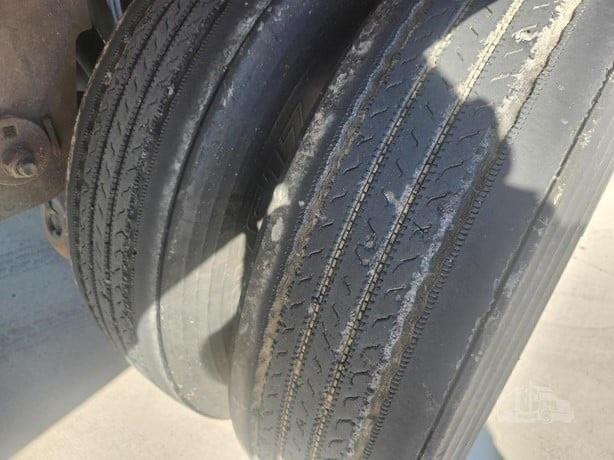
Have utility reefer trailer to sell? List it here to reach thousands of buyers.
About Utility Reefer Trailers in Missouri
A buyer usually starts with the refrigeration package and the trailer body condition. Many Utility reefers are paired with Carrier or Thermo King units, and unit hours, maintenance history, fuel tank size, and controller type all deserve close attention. The trailer itself matters just as much. Check the floor rating for heavy pallet jack and forklift traffic, inspect the front wall and roof for repairs, and look closely at door seals, drains, scuff liners, and interior liner condition. Air ride suspension is common and helps protect sensitive cargo, while low-pro 22.5 tires are often chosen to help manage deck height and loading compatibility.
Utility's 3000R and similar refrigerated models are well known in fleets that need dependable cold-chain performance without giving up trailer resale strength. Features can vary by spec, including aluminum or steel wheel packages, spare tire carriers, aerodynamic treatments, side skirts, tire inflation systems, and trailer telematics. Buyers running multi-stop grocery or foodservice work may focus on rapid temperature recovery and door durability, while long-haul operators may pay more attention to fuel efficiency, reefer run time, insulation integrity, and the availability of parts and service across major freight corridors.
For Missouri operations, it also helps to match the reefer trailer to the lane and commodity. A trailer used for frozen freight has a different wear pattern than one used for chilled produce or mixed-temp distribution. Review reefer unit performance under load, confirm the trailer can hold setpoint, and inspect for signs of moisture intrusion or previous structural damage around the evaporator bulkhead and rear frame. Utility reefer trailers remain a strong option for buyers who want a widely recognized refrigerated trailer with straightforward specs, established parts support, and suitability for both regional distribution and long-haul refrigerated freight.
Frequently Asked Questions
What should I inspect first on a used Utility reefer trailer?
Start with the refrigeration unit, the insulated body, and the floor. Confirm the reefer starts cleanly, reaches setpoint, and shows reasonable engine hours and service history. Then inspect the trailer for roof and front wall repairs, damaged interior liner panels, worn door seals, floor soft spots, and evidence of water intrusion. On a refrigerated trailer, insulation integrity and temperature retention are just as important as chassis condition.
Are Utility reefer trailers typically available in 53-foot configurations?
Yes. A 53-foot by 102-inch configuration is one of the most common specs for Utility reefer trailers in highway freight service. That size works well for standard pallet counts, dock loading, and over-the-road operations. Buyers should still verify interior dimensions, rear door opening, and floor rating because those details affect pallet fit, forklift use, and commodity compatibility.
Which reefer units are commonly found on Utility refrigerated trailers?
Utility reefer trailers are commonly spec'd with Carrier or Thermo King refrigeration units, depending on the fleet and application. The brand itself is only part of the decision. Buyers should compare unit hours, fuel tank capacity, operating mode, maintenance records, alarm history, and parts support in their service area. A well-maintained unit with documented service is usually more important than brand preference alone.
Is air ride important on a refrigerated trailer?
Air ride suspension is a valuable spec on a reefer because it helps protect temperature-sensitive and damage-prone freight from excessive vibration. It also improves ride quality for palletized food, beverage, and pharmaceutical loads. For many buyers, air ride is a preferred setup on regional and long-haul refrigerated trailers, especially when cargo claims, product stability, and trailer resale value are priorities.
What makes Utility reefer trailers a strong fit for Missouri freight?
Missouri freight often includes grocery distribution, food processing, agricultural products, and long-haul lanes that expose equipment to wide temperature swings. Utility reefer trailers fit these operations well because they are common in fleet service, widely supported for parts and repairs, and available in practical highway specs such as 53-foot bodies, air ride suspension, and established reefer unit options. That combination makes them easier to integrate into both regional and over-the-road cold-chain operations.