
Utility Reefer Trailers For Sale in California
Shop Utility reefer trailers for sale in California. Compare 3000R specs, reefer units, floor types, suspension, and cold-chain features.
Learn more
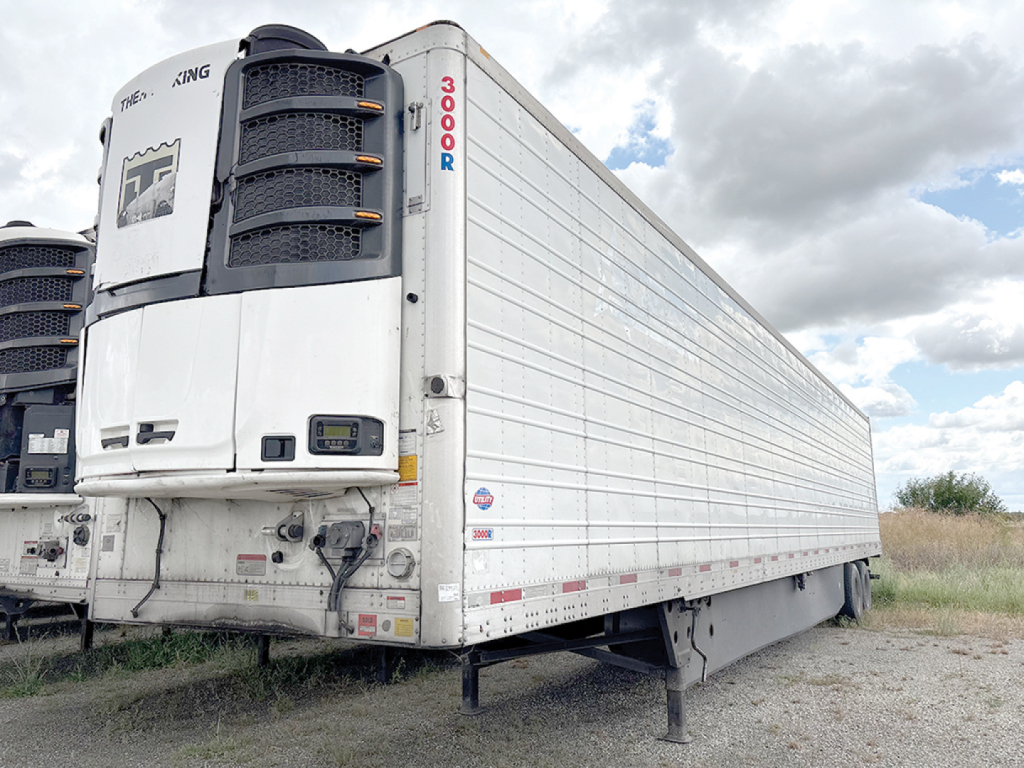
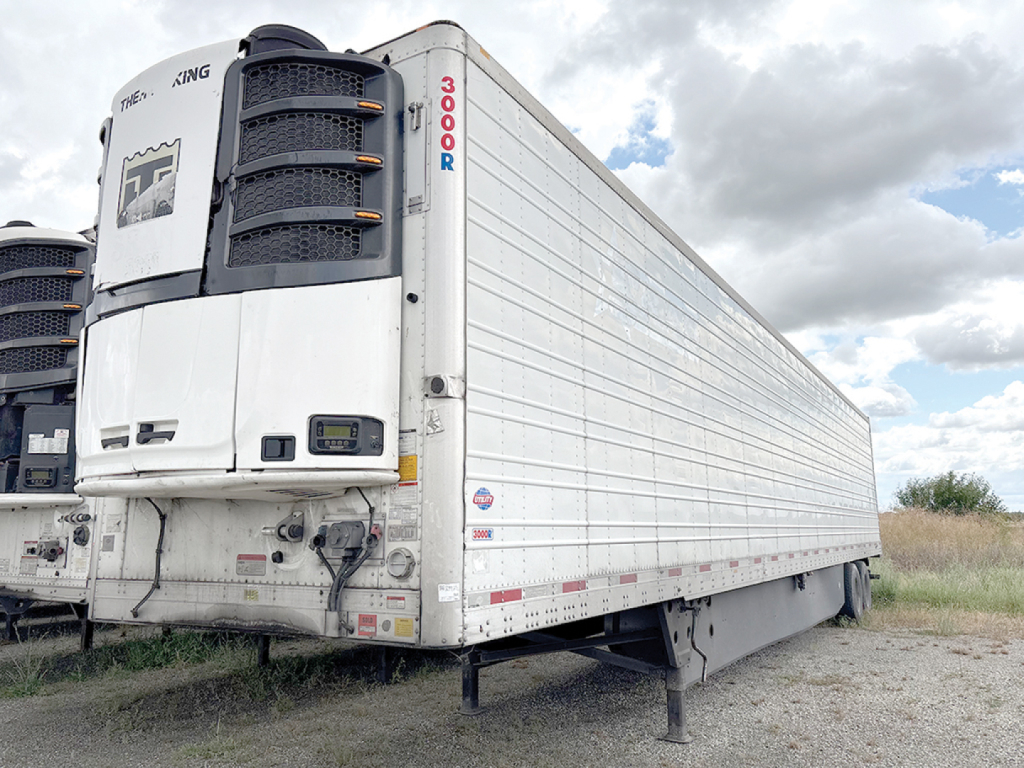
Have utility reefer trailer to sell? List it here to reach thousands of buyers.
About Utility Reefer Trailers in California
The reefer unit deserves as much attention as the trailer body. Many Utility reefers are paired with Thermo King units such as the SB series or newer Precedent models, and the difference between those generations affects fuel burn, noise, maintenance intervals, and temperature recovery. Buyers should confirm engine hours, run hours, service history, and whether the unit has been maintained on a preventive schedule. Inside the box, features like a heavy-duty aluminum duct floor, cold chute, rear and front vents, scuff plate, and E-track directly affect airflow, cargo securement, and how well the trailer holds up to palletized freight and repeated dock contact. Stainless front radius panels, stainless rear sections, and stainless door frames are also worth noting because they help durability in high-use foodservice and warehouse environments.
Suspension and axle setup matter for legal payload and operational flexibility. Air ride suspension is common on Utility reefers and is preferred for cargo protection, especially with delicate produce, dairy, and frozen packaged goods. Sliding tandems help with bridge law compliance and dock positioning, and tire inflation systems can reduce roadside downtime and uneven tire wear. Buyers should also look closely at tire size, wheel type, brake specification, and the condition of swing doors, seals, and hinges. On a reefer trailer, small issues at the rear frame or door opening can turn into temperature loss, water intrusion, and rejected loads.
For California operations, emissions rules and lane profile should shape the buying decision. A newer reefer unit may be a better fit for ports, distribution centers, and fleets working under stricter CARB-related expectations, while an older Utility 3000R can still make sense for shorter-haul private fleet use if maintenance records are strong. The key is to match the trailer to the freight. Continuous multi-temp grocery work puts a premium on unit reliability and airflow management. General refrigerated freight may place more value on clean interior condition, insulation integrity, and low total operating cost. Utility reefers have stayed popular because they are familiar to drivers, accepted by most shippers, and built in a way that supports heavy refrigerated duty without being overly complicated to service.
Frequently Asked Questions
What should I look at first when buying a used Utility reefer trailer?
Start with the reefer unit, the trailer interior, and the rear door area. Check the refrigeration unit model, engine hours, run hours, service records, and any recent major repairs. Then inspect the floor condition, especially the duct floor, because damaged channels can restrict airflow and affect temperature consistency. Look at the insulation performance, liner condition, scuff plates, E-track, door seals, hinges, and the rear frame. On a reefer, these items have a direct impact on load protection and operating cost.
Is the Utility 3000R a good reefer trailer for California freight?
The Utility 3000R is widely used in California because it fits common refrigerated freight patterns such as produce, grocery, frozen food, and regional distribution. Its 53-foot aluminum platform, air ride suspension, and common reefer unit pairings make it practical for both long-haul and high-frequency regional routes. California buyers should also verify that the refrigeration unit aligns with current emissions and operating requirements, especially if the trailer will be used in regulated areas or on shipper contracts with stricter compliance standards.
How important are features like a cold chute, vents, and duct floor on a reefer trailer?
These features are critical because they control airflow inside the trailer. A duct floor allows cold air to move under the load, while a cold chute helps direct air from the unit through the box. Front and rear vents can improve circulation depending on the freight and loading pattern. Without proper airflow, even a strong reefer unit can struggle to hold consistent temperatures from nose to doors. Buyers hauling mixed pallet heights or dense frozen freight should pay close attention to these specs.
What is the difference between older Thermo King SB units and newer Precedent units on Utility reefers?
Older Thermo King SB units are common on earlier-model reefers and are generally familiar to many service shops, but they may come with higher hours and older control systems. Newer Precedent units typically offer improved fuel efficiency, updated controls, and in many cases better noise performance and emissions characteristics. The better choice depends on your operating profile, service access, and budget. A well-maintained older unit can still be useful, but buyers should weigh repair risk against the benefits of a newer platform.
Why do reefer buyers pay so much attention to swing doors and seals?
Rear doors are one of the highest-wear areas on a reefer trailer. Damaged seals, worn hinges, or poor door alignment can let cold air escape and warm air enter, which forces the refrigeration unit to work harder and increases the risk of rejected freight. Swing doors should close squarely, latch securely, and show no major damage around the frame. On temperature-controlled freight, door condition is not cosmetic. It is part of the trailer's ability to maintain a stable setpoint.