
Reefer Trailers For Sale in Texas
Browse reefer trailers for sale in Texas, including 53-foot refrigerated trailers with Thermo King or Carrier units, air ride, and sliding tandems.
Learn moreNo exact matches found for your search
Showing Reefer Trailers instead.

Showing 37 to 48 of 182 results
Have reefer trailer to sell? List it here to reach thousands of buyers.
About Reefer Trailers in Texas
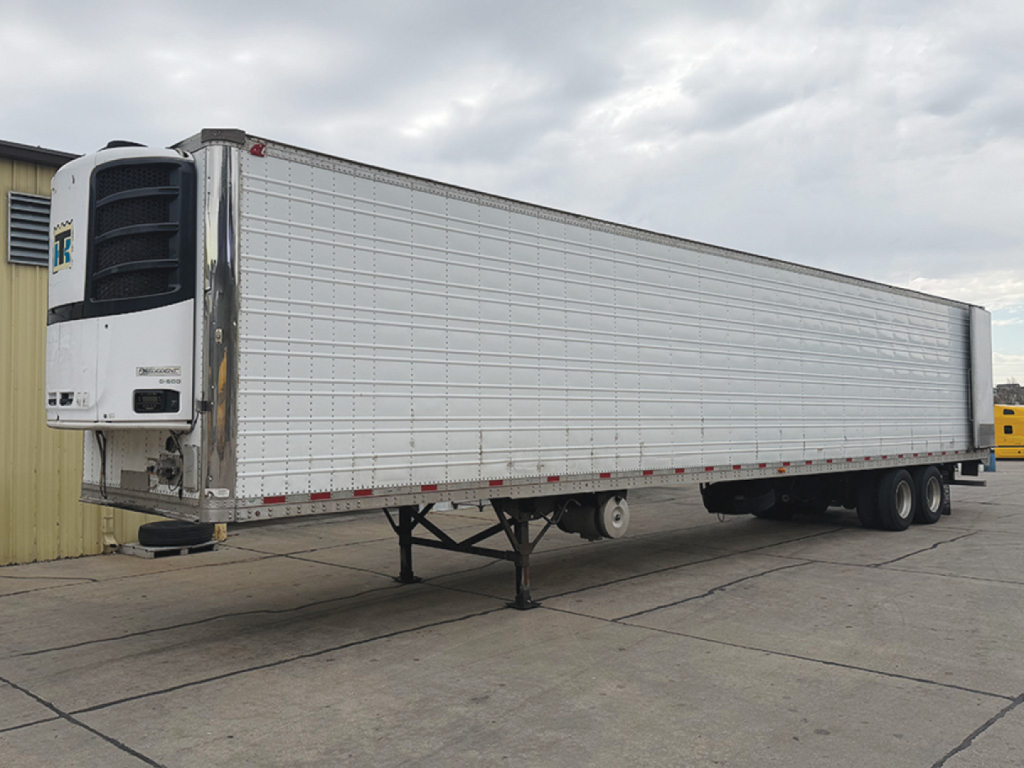
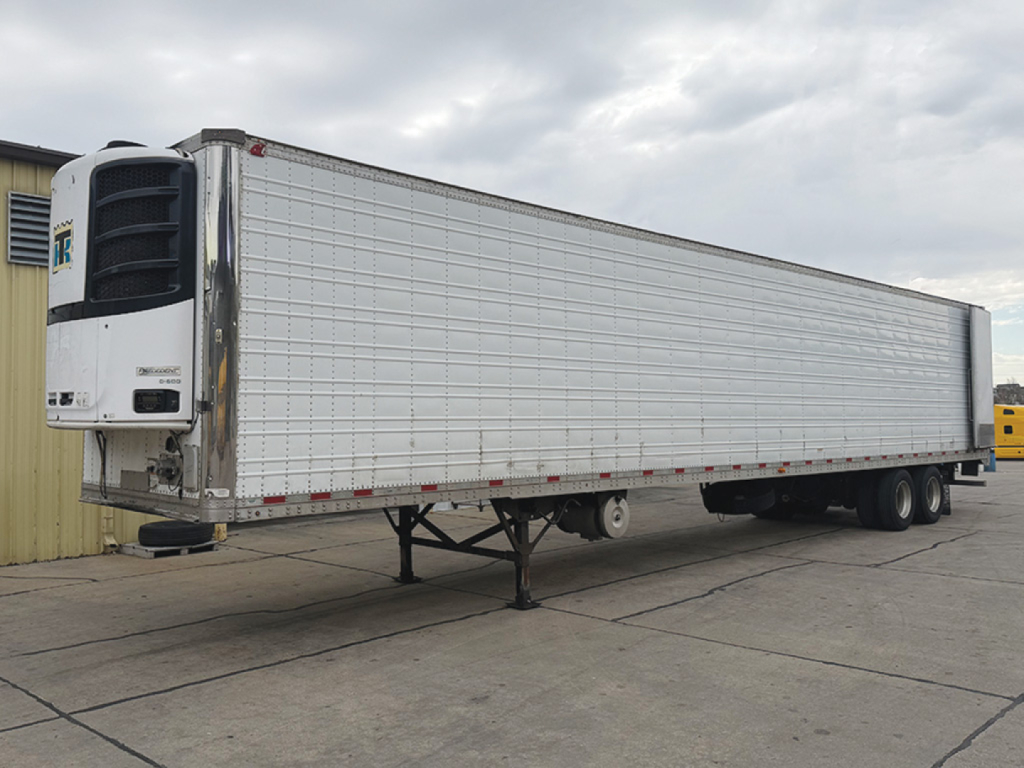
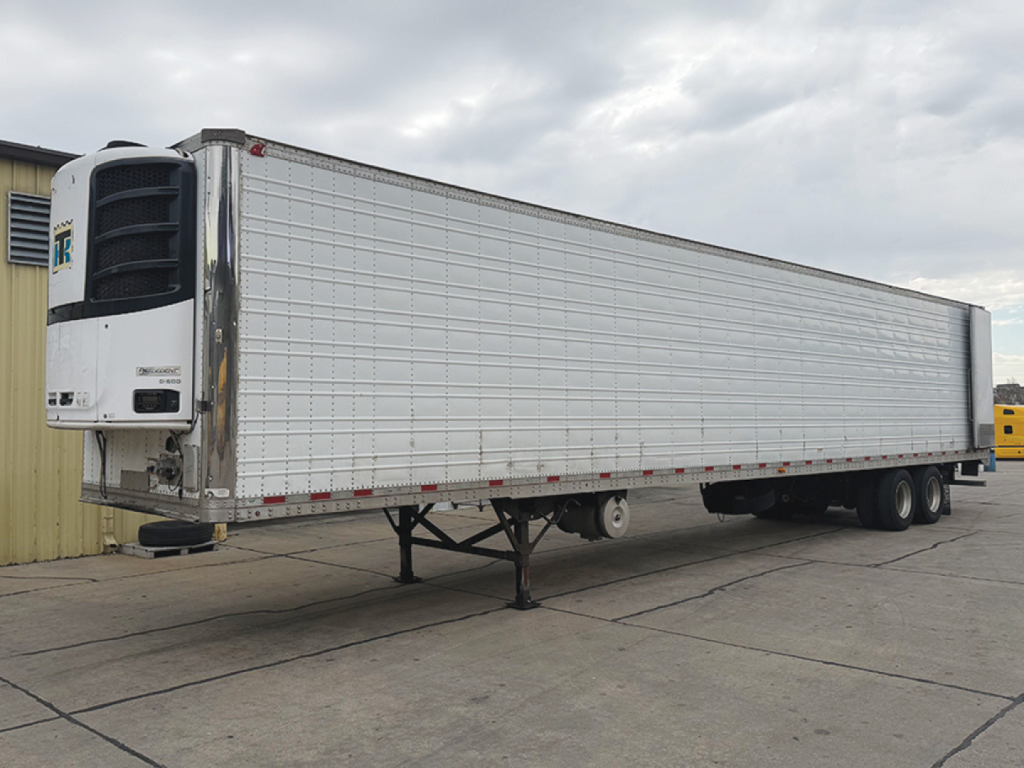
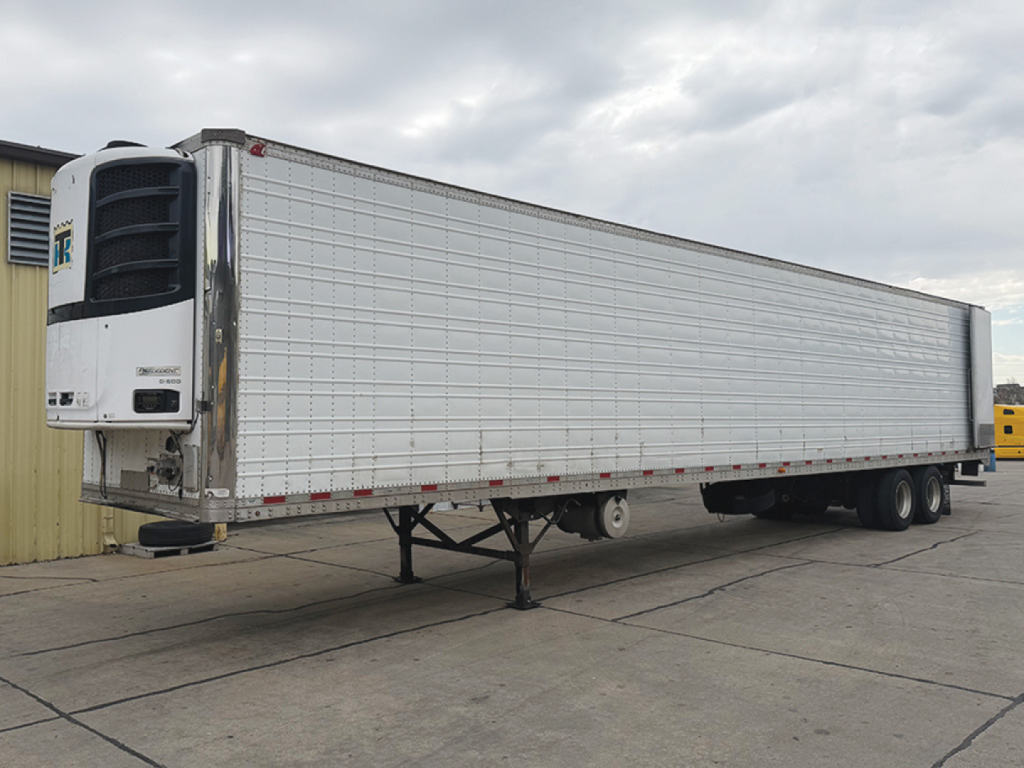
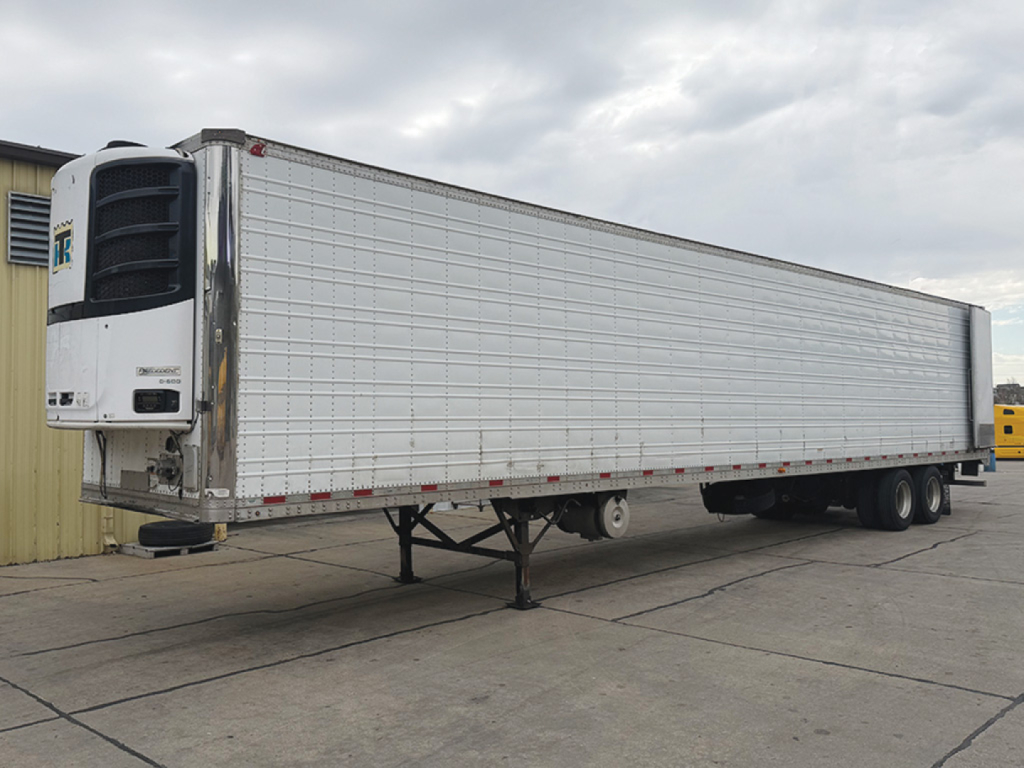
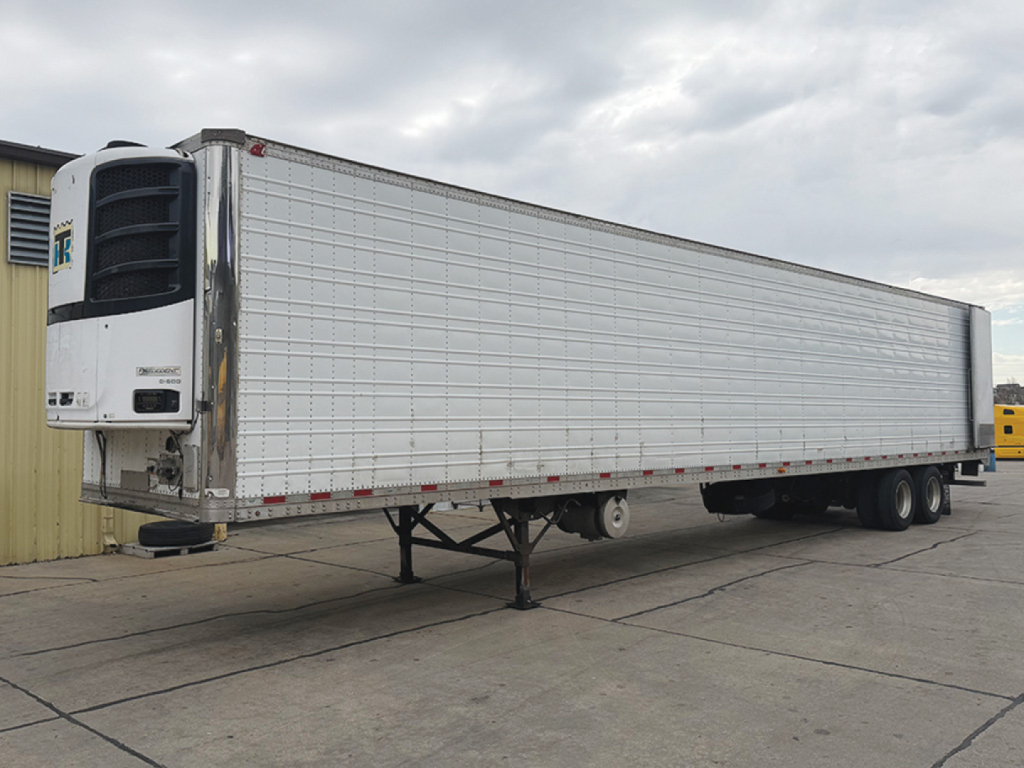
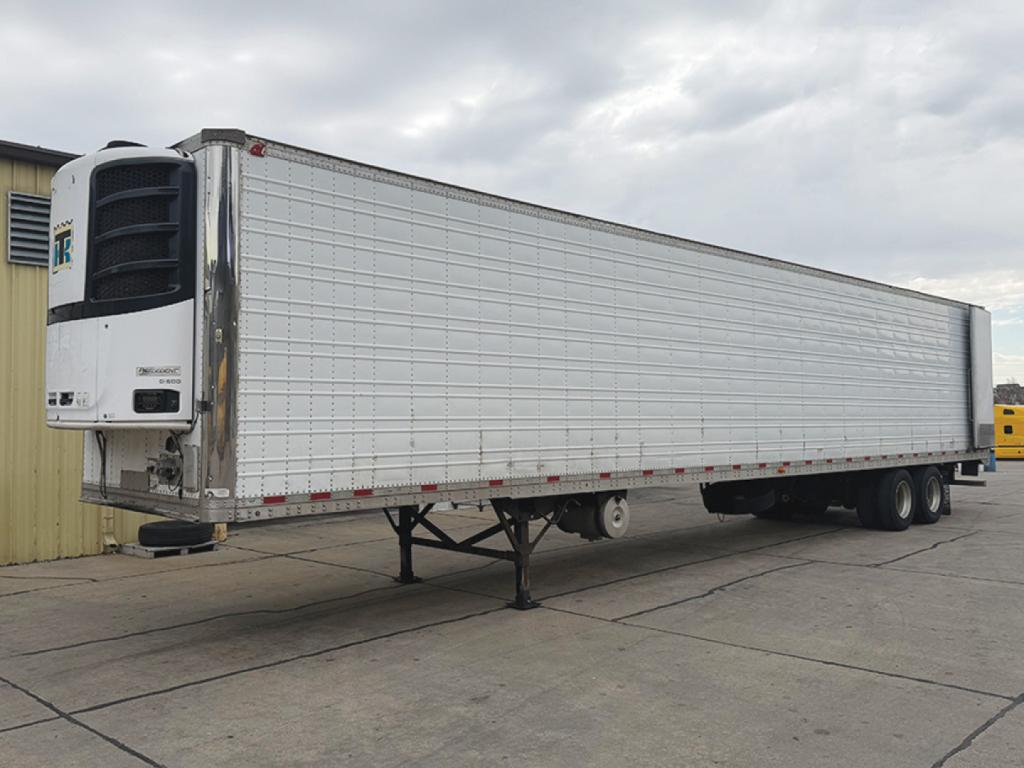
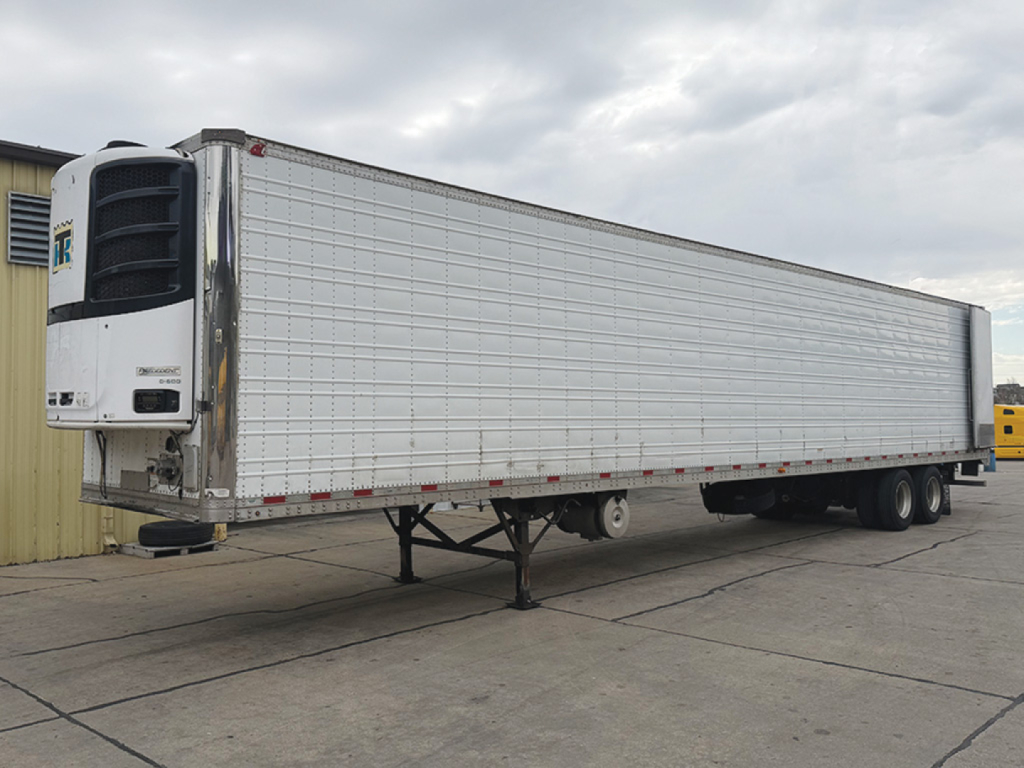
The refrigeration unit deserves the closest review. Common setups include Thermo King Precedent and Carrier X4 series units, and buyers should compare engine hours, electric standby if equipped, service history, and temperature pull-down performance. For multi-stop distribution, airflow management matters just as much as the unit brand. Features like cold chutes, duct floors, rear vents, and intact scuff liners help maintain even air circulation from front to rear. If the freight mix includes pallets that shift frequently or heavy forklift traffic, check the floor type carefully. Heavy-duty aluminum duct floors are common and support airflow under the load, but condition matters because damaged channels can reduce both cooling efficiency and forklift durability.
Door configuration and trailer running gear also affect day-to-day use. Swing doors are common on over-the-road reefers because they seal well and are simple to maintain, while roll-up doors can help in tight dock environments at the cost of some interior clearance and added complexity. Air ride suspension is widely preferred for protecting sensitive freight and reducing trailer shock, and sliding tandems remain important for bridge law compliance and dock positioning. Disc brakes, tire inflation systems, low-profile 22.5 tires, and aluminum wheels are all desirable on newer refrigerated trailers because they can improve stopping performance, reduce maintenance events, and help control operating weight.
Trailer body condition is just as important as the refrigeration unit. Buyers should inspect the front wall, roof, door frame, stainless rear components, floor seams, and lower side panels for signs of impact damage, prior repairs, moisture intrusion, or insulation breakdown. In reefer service, small leaks and damaged interior lining can turn into temperature consistency problems quickly. A strong used reefer trailer for Texas service is one that cools down fast, maintains setpoint under load, has a clean and solid insulated body, and matches the lane profile. Regional produce work, foodservice delivery, and long-haul frozen freight can all call for different priorities, so the best reefer trailer is the one spec'd for the commodity, stop count, and climate it will actually run in.
Frequently Asked Questions
What should I look at first when buying a used reefer trailer?
Start with the refrigeration unit, trailer body integrity, and floor condition. Verify the reefer unit brand, model, engine hours, maintenance records, and how well it pulls down and holds temperature. Then inspect the insulated body for water intrusion, damaged lining, poor door seals, front wall damage, and repairs around the roof or corners. A reefer trailer can look acceptable outside and still have costly temperature-control issues if the insulation, doors, or floor airflow channels are compromised.
Which reefer unit is more common on refrigerated trailers, Thermo King or Carrier?
Thermo King and Carrier are both common on 53-foot reefer trailers, and both have strong support networks in Texas and across major freight corridors. The better choice often comes down to local service access, technician familiarity, parts availability, and documented maintenance history on the individual trailer. Buyers should place more value on service records, engine hours, and operating condition than on brand name alone.
Why does the floor type matter on a reefer trailer?
The floor does two jobs in a refrigerated trailer. It supports forklift traffic and cargo weight while also allowing cold air to move beneath the load. Aluminum duct floors are common because they help maintain airflow from the front unit through the trailer. If the floor is crushed, patched poorly, or clogged, airflow suffers and temperature variation across the load becomes more likely. That can be a serious problem for produce, frozen freight, and multi-stop deliveries.
Are air ride suspension and sliding tandems important on a reefer?
Yes. Air ride suspension is preferred on most reefer applications because it helps protect delicate or high-value cargo from shock and vibration. Sliding tandems are also important because refrigerated trailers often run across multiple states and need flexibility for bridge laws, axle weight distribution, and dock positioning. These features are standard on many fleet-spec reefers for good reason, especially in food-grade and long-haul service.
What reefer trailer specs are most common in Texas?
Many reefer trailers in Texas are 53 feet long, 102 inches wide, and 13 feet 6 inches high, with air ride suspension, sliding tandems, and diesel refrigeration units from Thermo King or Carrier. Buyers also frequently look for heavy-duty duct floors, scuff plates or scuff liners, stainless rear frames, swing doors, and options like disc brakes or tire inflation systems. Because Texas freight often involves long miles and high ambient temperatures, cooling performance and insulation condition should rank near the top of the checklist.