
Great Dane Reefer Trailers For Sale in New Mexico
Shop Great Dane reefer trailers with common 53' specs, air ride suspensions, sliding tandems, and refrigeration unit considerations.
Learn more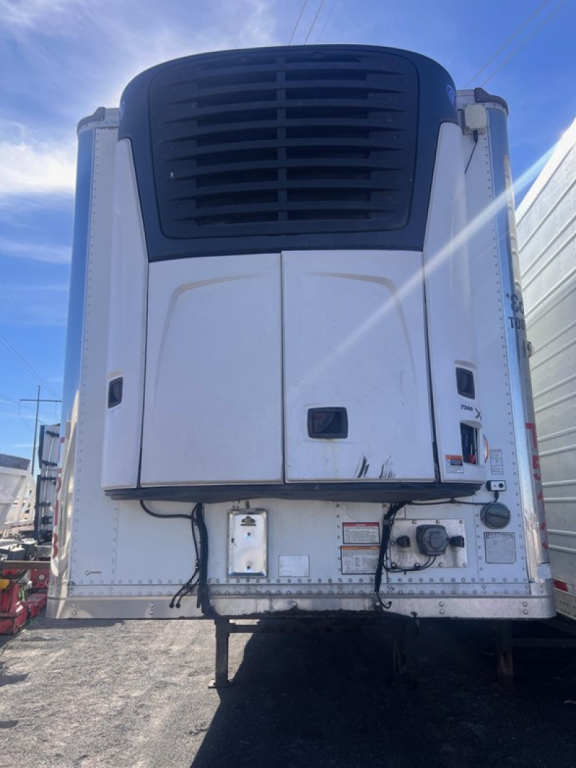
Have great dane reefer trailer to sell? List it here to reach thousands of buyers.
About Great Dane Reefer Trailers in New Mexico
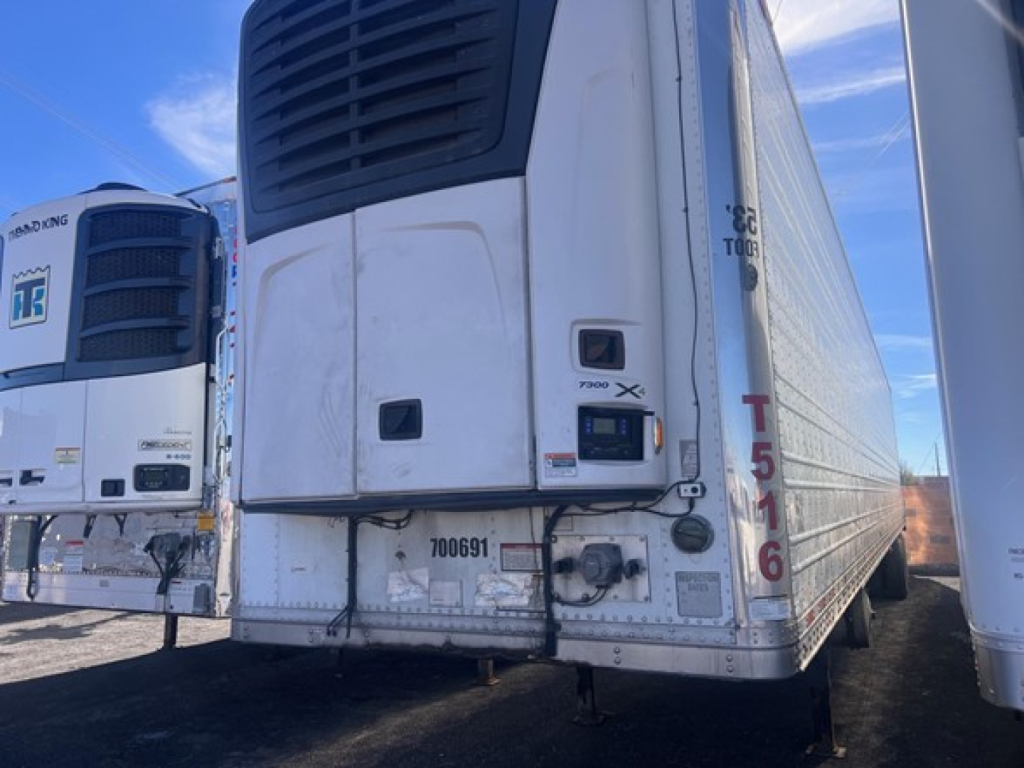
For many buyers, the key decisions start with the trailer body and refrigeration setup. Common specs include air ride suspension, sliding tandems, swing rear doors, aluminum duct floors, and wearbands that help manage forklift traffic and interior floor wear. Stainless steel front corners, corrugated side panels, and scuff protection are typical features to review on used Great Dane reefer trailers, especially if the trailer has spent years in foodservice or high-cycle dock work. Reefer unit brand and model matter just as much as the trailer itself. Carrier and Thermo King are the usual names in this segment, and buyers should compare engine hours, electric standby if needed, service history, fuel tank condition, and temperature pull-down performance before making a decision.
In New Mexico, reefer trailer buyers often pay close attention to cooling performance, insulation integrity, and door seal condition because heat, elevation changes, and long lane miles can expose weak spots fast. A trailer that runs produce through the Southwest needs solid airflow management, a clean evaporator and condenser package, and a floor design that supports even air circulation under the load. Chutes, return air space, and interior lining condition all affect how well the trailer holds setpoint across different freight profiles. If the work includes mixed-temp or frequent multi-stop distribution, the condition of the bulkhead track, interior rails, and door hardware deserves a close look.
Great Dane reefer trailers also deserve a careful underbody and compliance review. Check the tandem slider operation, crossmember condition, brake system, tire wear pattern, and hub service records. Buyers moving heavier payloads should confirm tare weight, floor rating, and axle spec, since reefer trailers trade some payload for insulation and refrigeration equipment. For fleets running across multiple states, practical details like kingpin setting, dock height consistency, rear frame condition, and the availability of replacement panels and doors can affect uptime more than cosmetic appearance. A well-spec'd Great Dane reefer trailer should match the freight, lane, and service network behind it, not just the purchase price.
Frequently Asked Questions
What should I inspect first on a used Great Dane reefer trailer?
Start with the refrigeration unit hours, maintenance records, and temperature performance, then move to the trailer body. Check the insulation integrity, door seals, floor condition, chute or air delivery components, and signs of interior damage from pallets or forklifts. After that, inspect the suspension, slider rails, brakes, tires, lights, and rear frame. On a reefer, small issues in airflow or sealing can become expensive quickly because they affect temperature control and cargo claims.
Are Great Dane reefer trailers typically 53 feet long?
Yes, 53' x 102" is the most common configuration in this category, especially for over-the-road grocery and food distribution work. That size gives carriers the cube needed for high-volume temperature-controlled freight while staying compatible with standard dock operations and trailer pools. Buyers should still confirm interior height, axle placement, and kingpin setting because those details affect bridge compliance, loading patterns, and operating flexibility.
What reefer unit brands are commonly found on Great Dane reefer trailers?
Carrier and Thermo King are the two most common refrigeration unit brands paired with Great Dane reefer trailers. The trailer body and the reefer unit should be evaluated together because a strong box with a weak unit, or a good unit on a damaged insulated body, can still create service problems. Compare engine hours, recent repairs, PM intervals, fuel usage, alarm history, and the availability of local service support before deciding.
Why do air ride suspension and sliding tandems matter on a reefer trailer?
Air ride helps protect sensitive freight and generally provides better ride quality for perishable or high-value loads. Sliding tandems give the driver more flexibility with axle weights, bridge laws, and dock positioning. On a refrigerated trailer, these features are especially useful because reefer loads can vary widely in weight distribution depending on pallet count, product density, and how the freight is staged for delivery.
How important is the floor design in a Great Dane reefer trailer?
The floor is critical because it affects both durability and airflow. Aluminum duct floors are common on reefers because they allow cold air to move under the freight and help maintain a more even temperature from front to rear. Buyers should look for damaged channels, crushed sections, excessive patchwork, and wear from heavy pallet jack or forklift traffic. A reefer trailer can have a good unit and still perform poorly if the floor no longer supports proper air circulation.