
Great Dane Reefer Trailers For Sale in Minnesota
Shop Great Dane reefer trailers for sale in Minnesota. Compare 53-foot refrigerated trailers with specs for insulation, brakes, floor ratings, and fuel-saving options.
Learn more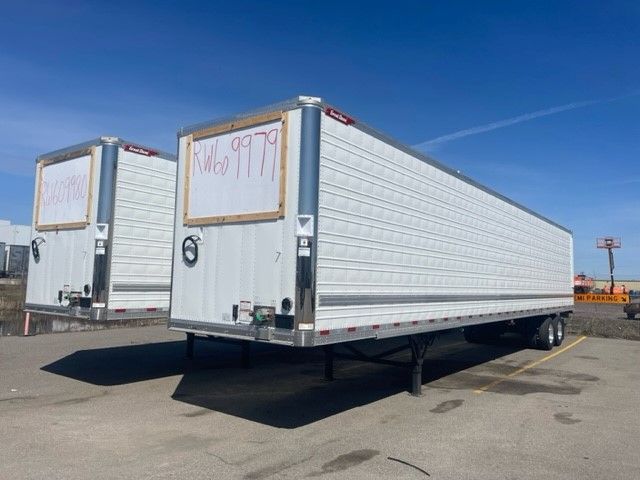
Have great dane reefer trailer to sell? List it here to reach thousands of buyers.
About Great Dane Reefer Trailers in Minnesota
Great Dane reefers are known for food-service and supermarket work, and many are spec'd with features that directly affect operating cost and uptime. Typical buyer checkpoints include interior scuff liner height, floor rating for heavy palletized freight, stainless or reinforced rear doors, ducted air delivery, and telematics or trailer monitoring compatibility. Tire inflation systems such as Tiremaax Pro are common on fleet-spec units because they help reduce roadside events and irregular tire wear. Aerodynamic equipment like trailer roof fairing systems can also show up on newer reefers, especially where fuel economy is a priority over long highway miles.
Brake and suspension spec deserves close attention. Disc brakes are increasingly popular on reefer trailers because they improve stopping consistency, shorten service intervals in many operations, and help with compliance in dense urban delivery lanes or slippery northern conditions. Roll-stability systems are also a valuable spec for high-cube refrigerated loads that can shift handling characteristics as product weight and distribution change. Suspension condition, slider operation, axle spacing, and wheel-end service history all deserve a close look, especially on trailers that have seen heavy dock cycle use. If the trailer will run in Minnesota year-round, corrosion resistance around the rear sill, crossmembers, light connections, and lift pad areas is worth inspecting carefully.
A strong Great Dane reefer trailer should match the freight first, then the lane. Frozen and multi-temp operations tend to prioritize insulation performance, tight door seals, and interior durability. Regional grocery distribution often puts more emphasis on frequent door openings, fast pulldown recovery, and heavy forklift traffic. Long-haul refrigerated carriers may focus more on aerodynamics, brake spec, tire management systems, and overall tare weight. When comparing listings, pay attention to dimensions, brake type, floor and liner condition, refrigeration unit compatibility, and signs that the trailer has been maintained for clean cold-chain service rather than just kept roadworthy.
Frequently Asked Questions
What are the most common specs on a Great Dane reefer trailer?
The most common Great Dane reefer configuration is a 53-foot by 102-inch trailer with a 13-foot 6-inch overall height. Many fleet-spec units include air ride suspension, tandem axles, heavy-duty insulated walls, aluminum or ducted floors, rear impact protection, and options such as disc brakes, tire inflation systems, scuff liners, and aerodynamic roof devices. Exact refrigeration unit brand and capacity can vary, so buyers should confirm both trailer body spec and reefer unit spec before purchase.
Are disc brakes worth it on a reefer trailer?
Disc brakes can be a strong value on a reefer trailer, especially in regional delivery, food distribution, and northern climates where stopping performance matters in wet, icy, or stop-and-go conditions. They generally provide more consistent braking feel and can simplify certain maintenance intervals compared with drum setups. For buyers comparing similar trailers, disc brakes can be a meaningful advantage if uptime, safety performance, and easier brake inspection are priorities.
What should I inspect first on a used Great Dane reefer trailer?
Start with the trailer box and its ability to maintain temperature. Check the front wall, roof, floor, door frame, door seals, and interior liner for damage, moisture intrusion, patchwork repairs, or signs of insulation breakdown. Then inspect the rear frame, crossmembers, suspension, slider, brakes, wheel ends, and electrical system. A reefer trailer can look clean outside and still have floor damage, air leaks, or structural fatigue that affects cold retention and long-term operating cost.
How important is a tire inflation system on a refrigerated trailer?
A tire inflation system is important on reefers because these trailers often run long miles under heavy, time-sensitive loads where a tire-related breakdown can risk both delivery schedules and cargo integrity. Systems such as Tiremaax Pro help maintain proper inflation across the trailer tires, which can reduce irregular wear, improve fuel economy, and lower the chance of roadside service events. For fleets focused on uptime and total operating cost, it is a practical spec rather than just a convenience.
Is a Great Dane reefer trailer a good fit for Minnesota operations?
Great Dane reefer trailers are well suited for Minnesota operations because refrigerated freight in the state demands strong insulation performance, durable door hardware, dependable brake systems, and corrosion-aware trailer construction. Cold winters can expose weak seals, electrical issues, and moisture intrusion, while summer heat tests refrigeration efficiency and body integrity. Buyers running in Minnesota should give extra attention to brake spec, rear frame corrosion, seal condition, and any equipment that supports year-round reliability.