
Great Dane Reefer Trailers For Sale in California
Shop Great Dane reefer trailers for sale in California. Compare 53-foot refrigerated trailers, reefer units, flooring, suspension, and door setups.
Learn more
Have great dane reefer trailer to sell? List it here to reach thousands of buyers.
About Great Dane Reefer Trailers in California
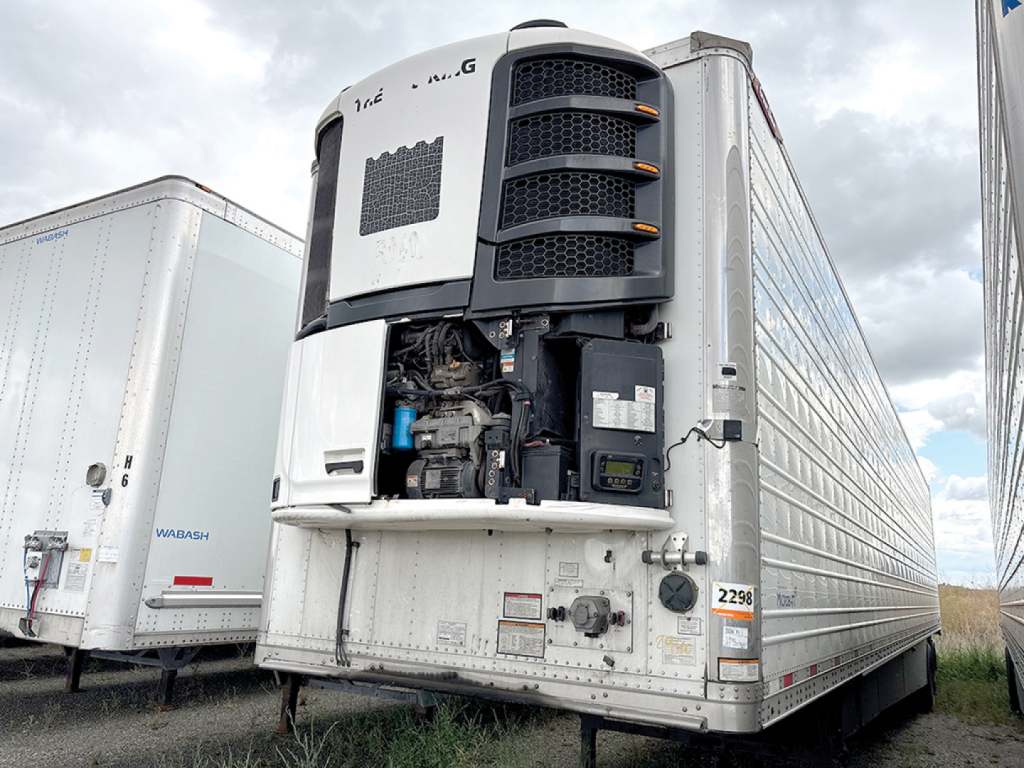
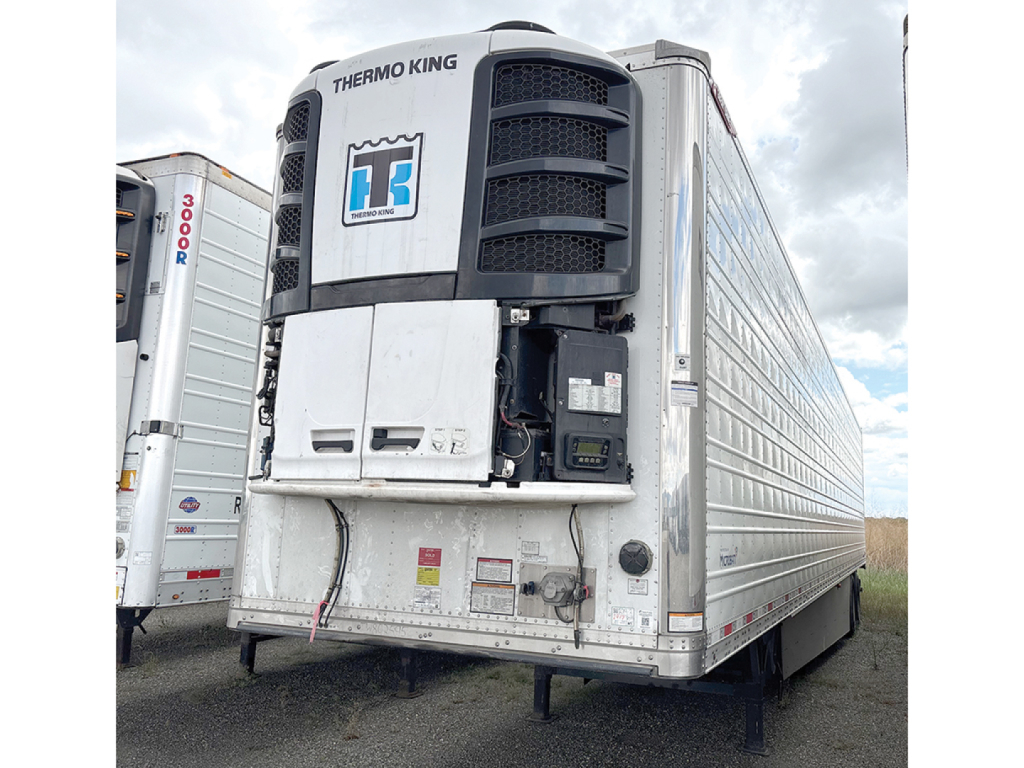
The reefer unit deserves as much attention as the trailer body. Common configurations in this category include Carrier and Thermo King systems such as the X4, 8600 MT, and Precedent S-600. Buyers should match unit capacity and fuel efficiency to the freight profile. A trailer running dense frozen loads or frequent door openings needs different cooling recovery performance than one hauling steady produce loads. California operations also tend to pay close attention to CARB compliance, emissions rules, and service network access, especially for fleets running major corridors, ports, and distribution centers. Unit hours, maintenance records, and evap coil condition are often more important than model year alone.
Flooring and interior spec have a direct effect on airflow and damage prevention. Aluminum duct floors and heavy-duty aluminum duct floors help move air under pallets, while cold chutes improve discharge from the front of the box for more consistent temperature control. Scuff plates, scuff liners, and E-track matter on multi-stop freight where forklifts, pallet jacks, and load securement can wear out a trailer quickly. Door choice is another practical decision. Stainless swing doors are common for maximum seal and durability, while roll-up doors can make sense in tight dock or route delivery environments, though they may trade off some cube and thermal efficiency.
Running gear and aero equipment should be evaluated with the same discipline as the box and unit. Sliding tandems remain standard for bridge law flexibility and dock positioning. Air ride suspension is often preferred for sensitive freight, while spring suspension can still be a cost-effective option in certain applications. Disc brakes, tire inflation systems, side skirts, low-profile 22.5 tires, and aluminum or steel disc wheels all affect stopping performance, maintenance intervals, and operating cost. A serious buyer should look at kingpin setting, floor wear, door frame condition, liner integrity, crossmember health, and evidence of past impact damage, because a reefer trailer earns its value through insulation integrity and dependable daily service, not just appearance.
Frequently Asked Questions
What should I look at first when buying a used Great Dane reefer trailer?
Start with the refrigeration unit, the box insulation, and the floor. Check reefer unit hours, service history, fuel system condition, and how well the unit pulls down and holds temperature. Then inspect the trailer body for soft spots, patched holes, damaged lining, door seal wear, and any signs that insulation has been compromised. Floor condition matters because duct floors must maintain airflow under the load, and heavy forklift traffic can create expensive structural wear.
Are Great Dane reefer trailers good for California produce and grocery freight?
Yes. Great Dane reefers are commonly spec'd for high-volume food distribution, produce, frozen freight, and mixed-temperature applications. In California, 53-foot refrigerated trailers are a standard fit for regional and long-haul lanes tied to agriculture, grocery warehouses, and distribution centers. The right setup usually includes a dependable Thermo King or Carrier unit, good airflow management, durable interior protection, and a tandem and suspension spec that matches legal and operational demands.
What is the difference between a duct floor and a flat floor in a reefer trailer?
A duct floor is designed to channel cold air under the freight so the load cools more evenly from front to rear. That makes it the more common choice for palletized refrigerated freight. A flat floor can be easier to clean in some cases, but it generally does less to support consistent under-floor airflow. For most food-grade refrigerated service, a well-maintained aluminum duct floor is the preferred setup.
Which reefer unit is better, Carrier or Thermo King?
Both are widely used and both have strong market acceptance. The better choice usually depends on service access in your lanes, technician familiarity, parts availability, and the trailer’s maintenance history. Thermo King Precedent units are common in late-model fleet specs, while Carrier X4 and 8000-series units are also proven performers. A clean maintenance file and strong operating condition are usually more important than brand preference alone.
Do air ride, disc brakes, and tire inflation systems matter on a reefer trailer?
Yes, especially in high-mile or food-service applications. Air ride helps protect sensitive freight and can reduce trailer shock over rough pavement. Disc brakes can improve stopping consistency and reduce brake service time compared with traditional drum setups. Automatic tire inflation systems help maintain proper pressure, which supports tire life, fuel economy, and roadside reliability. These features do not replace good maintenance, but they can improve total operating performance.