
New Trailers For Sale in Alabama
Shop new trailers for sale in Alabama, including flatbeds, drop decks, and lowboys with air ride suspensions and heavy-haul specs.
No exact matches found for your search
Showing New Trailers instead.
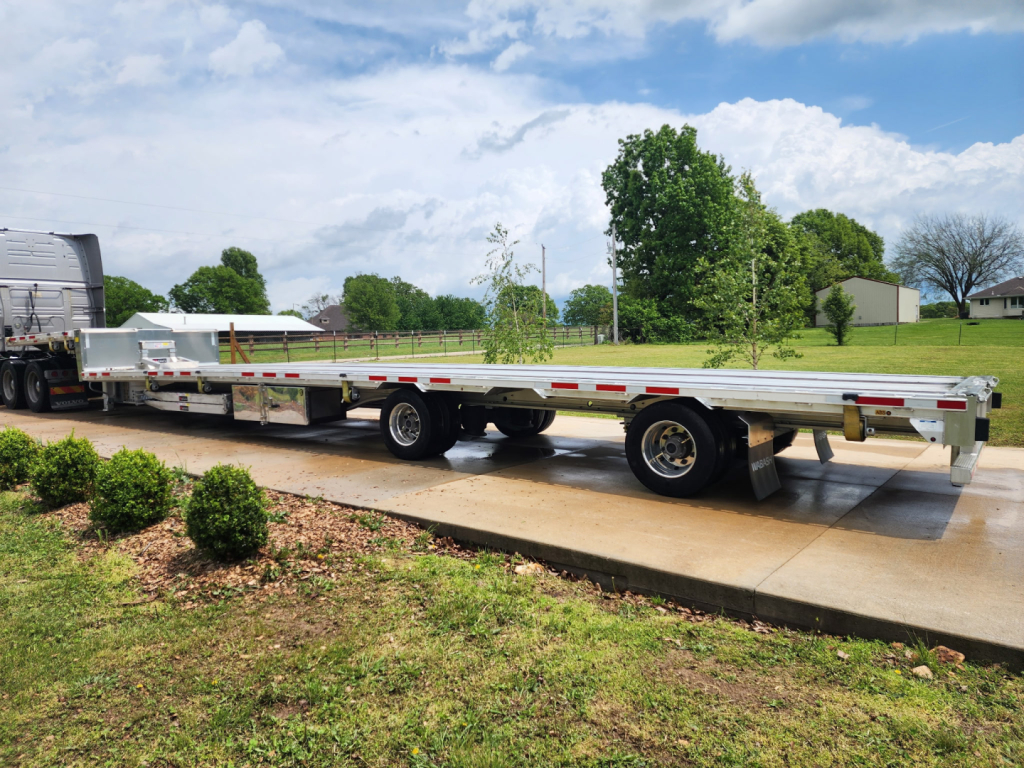
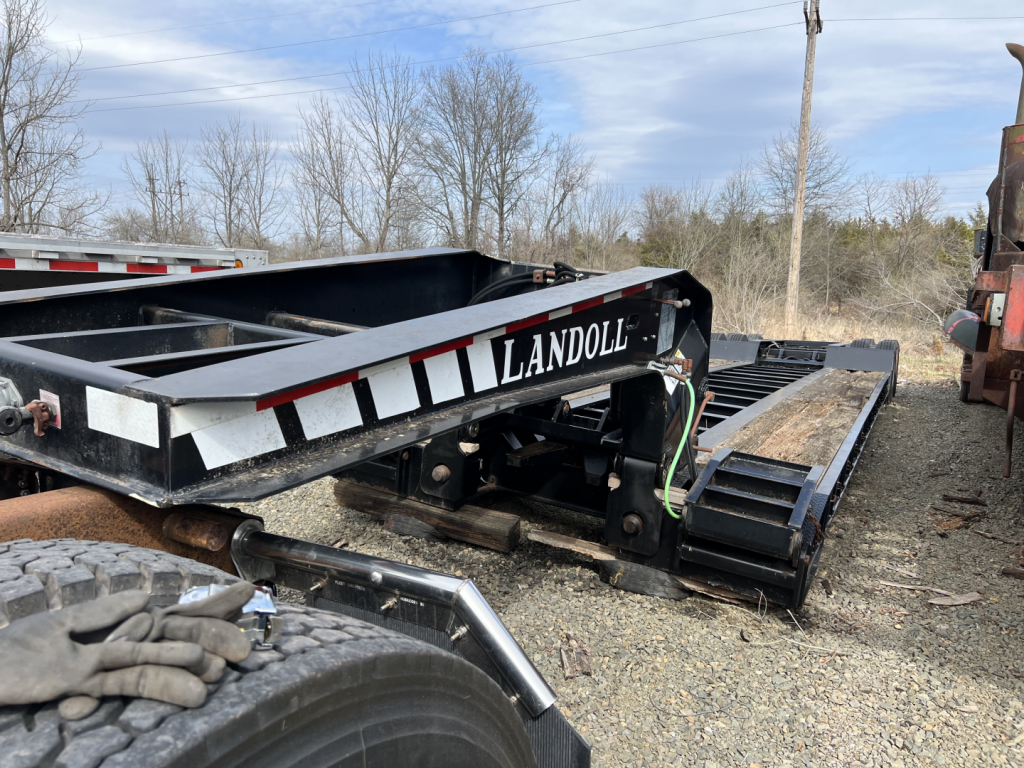
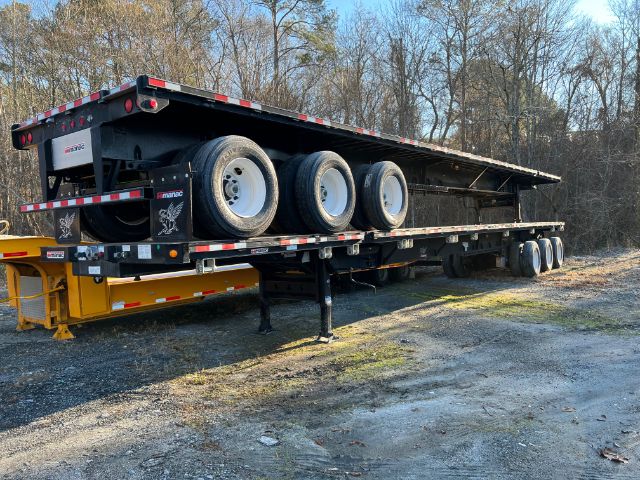
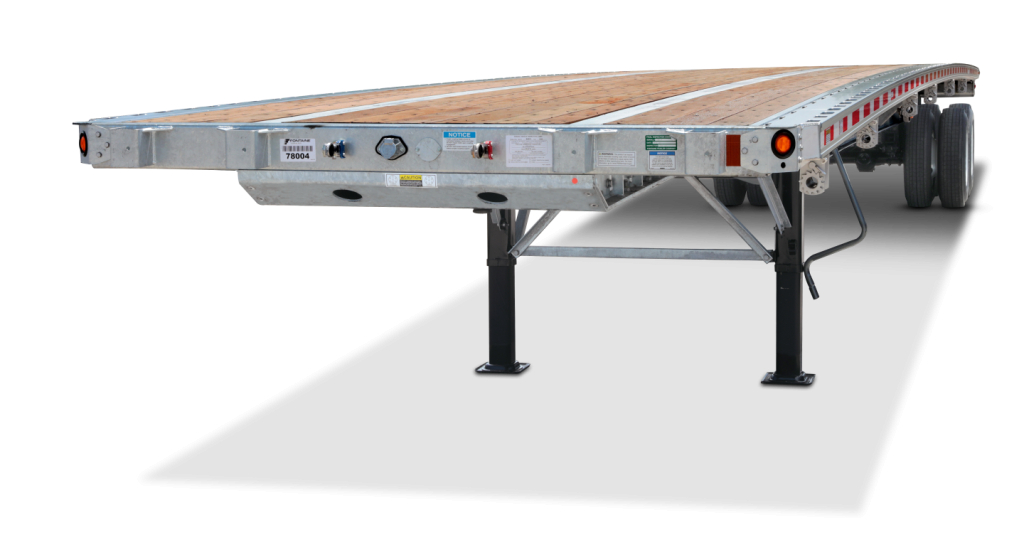
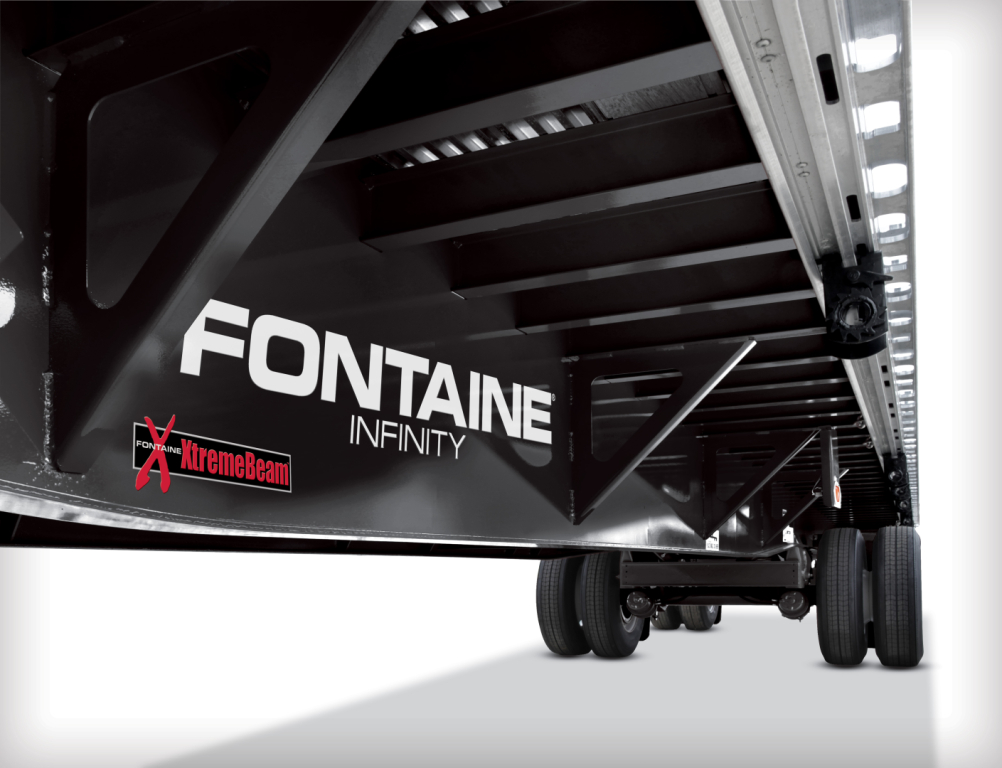
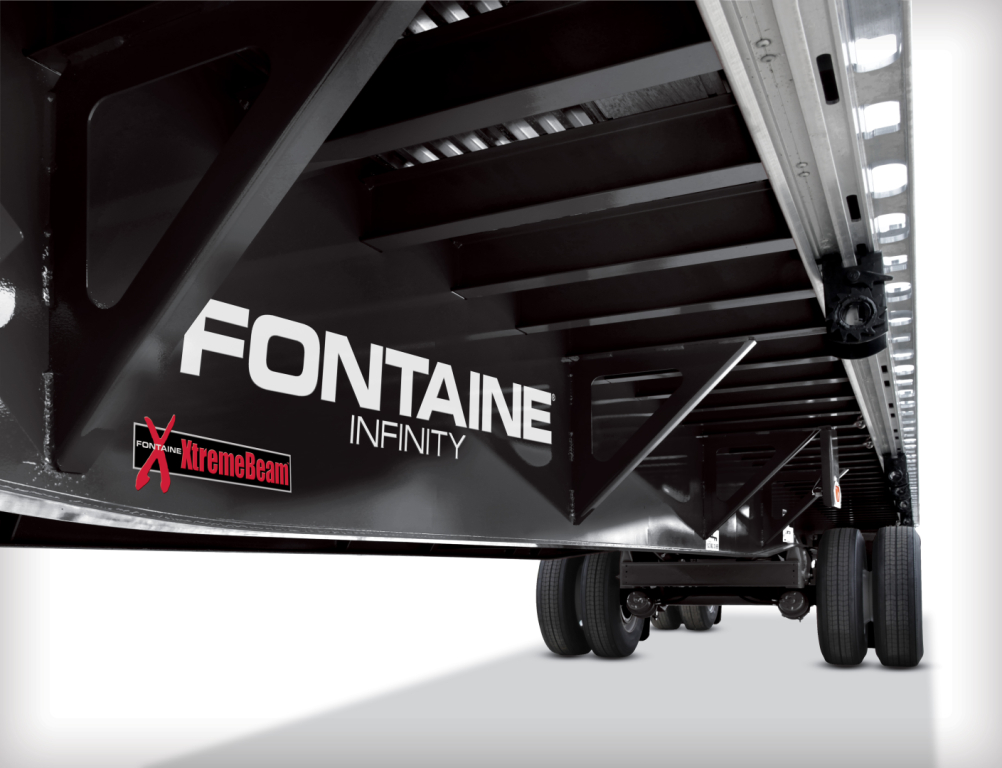
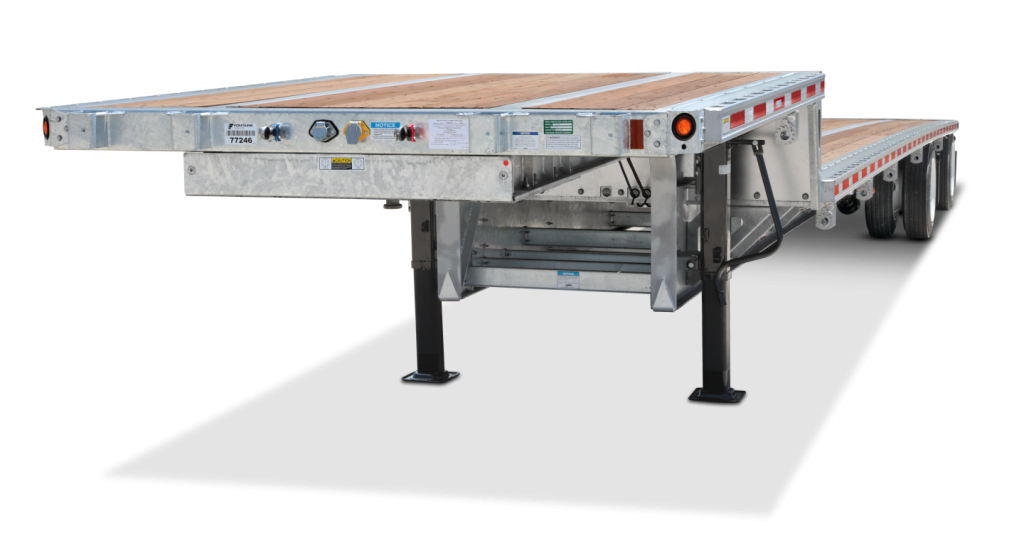
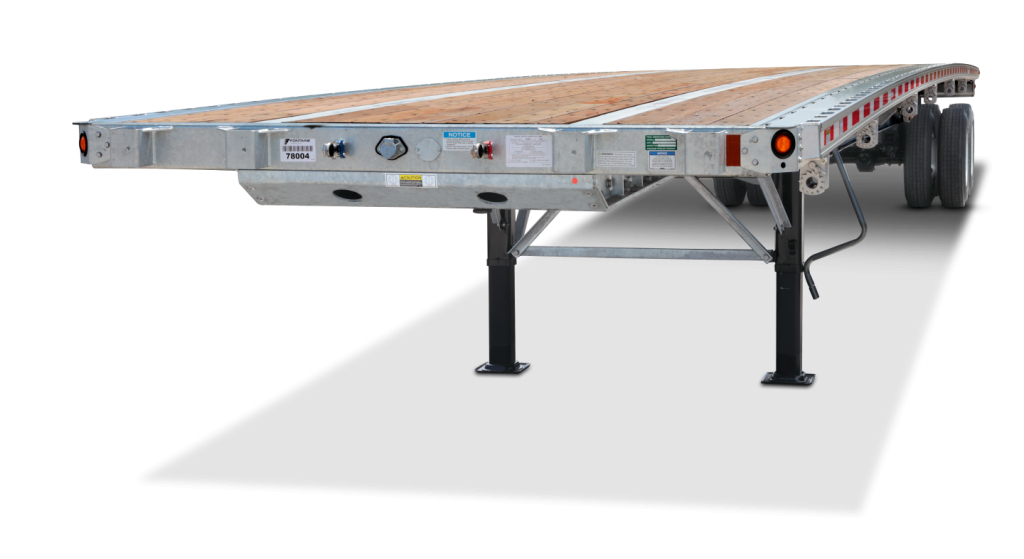
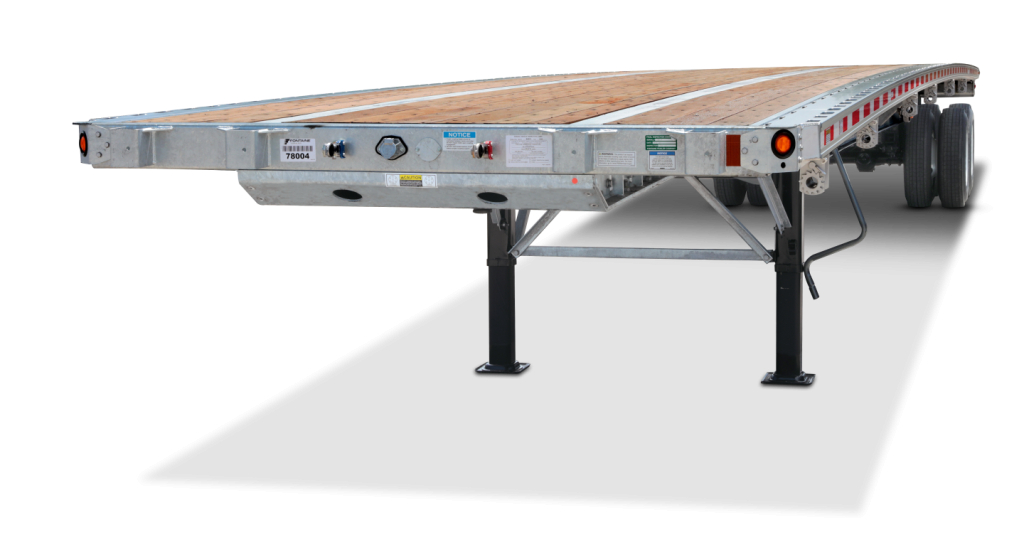
2027 Fontaine 53' Combo Flat - Rear Axle Slide
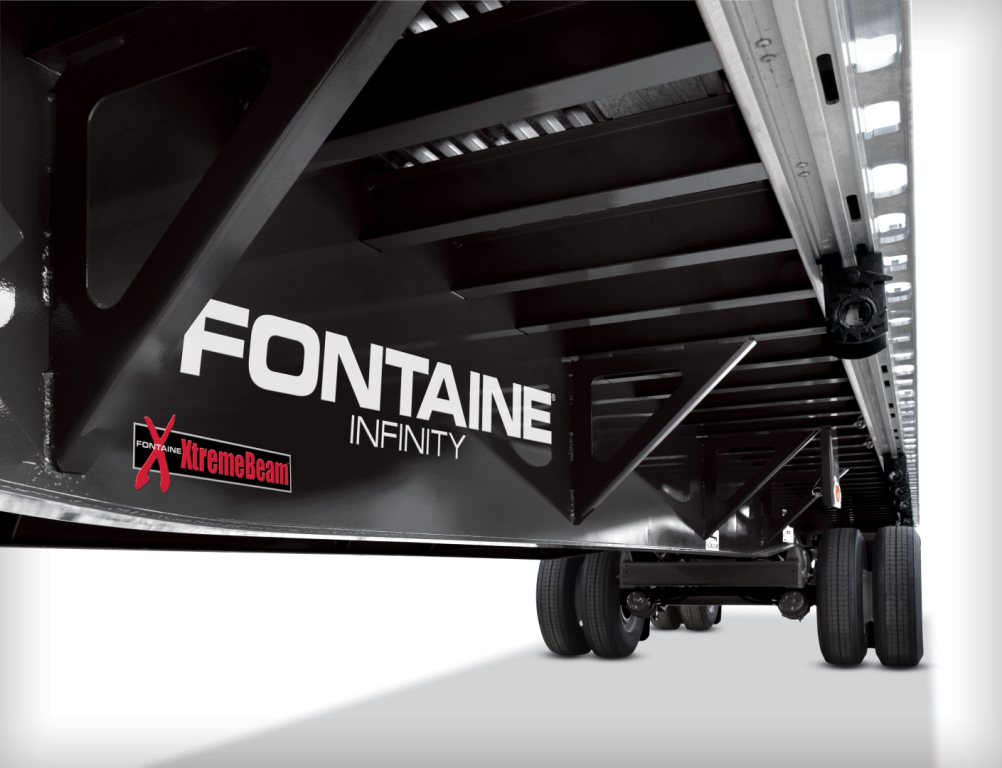
2027 Fontaine 53' Combo Flat - Rear Axle Slide
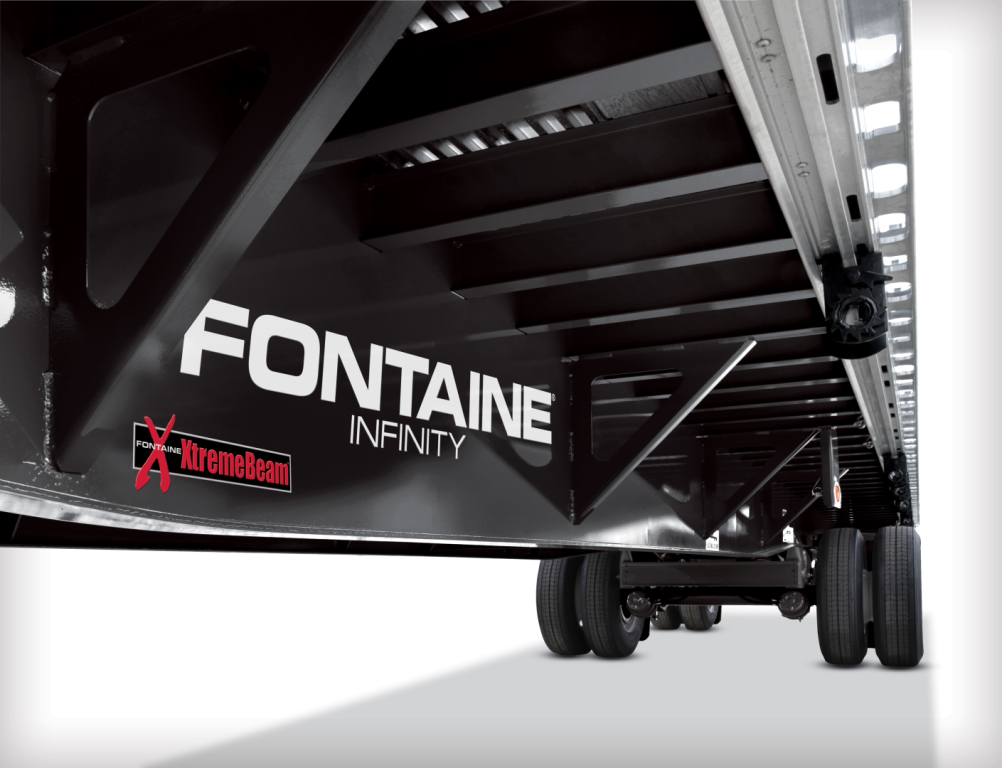
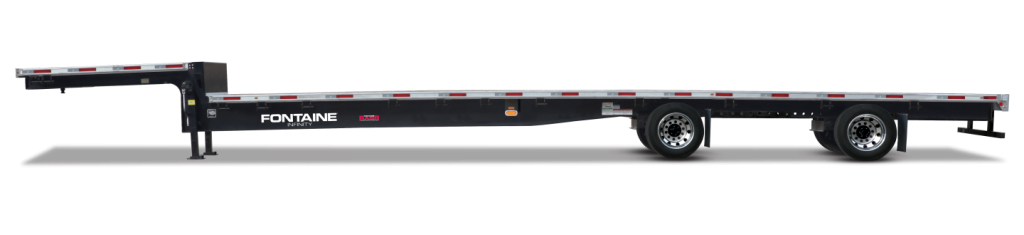
2027 Fontaine 53' Combo Flat - Rear Axle Slide
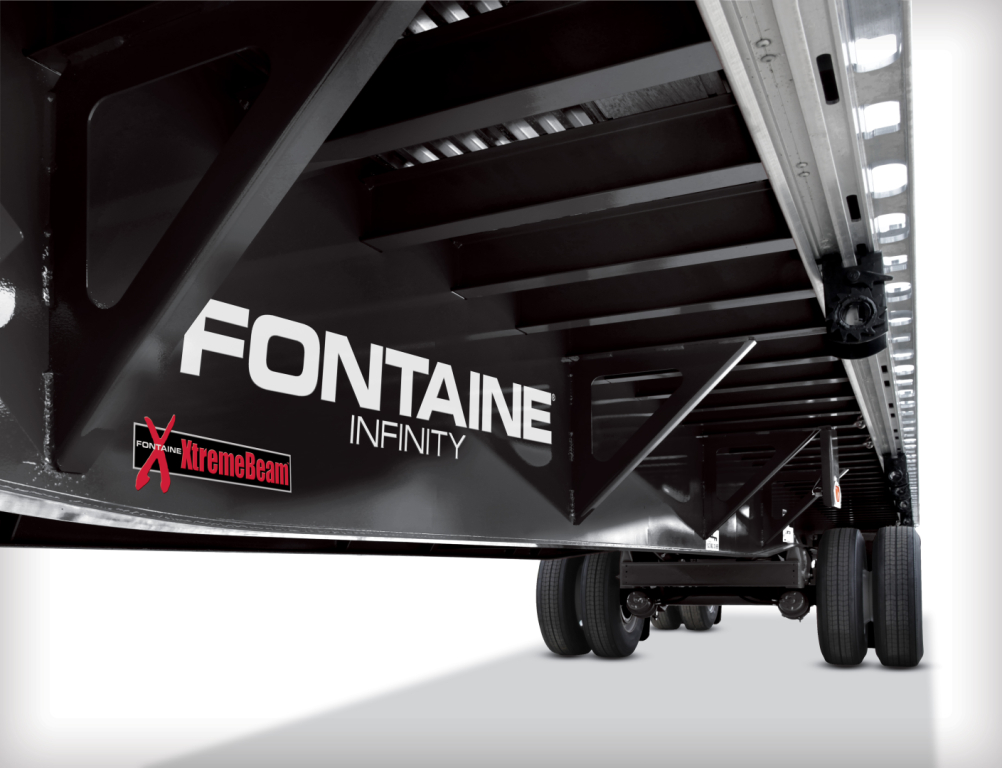
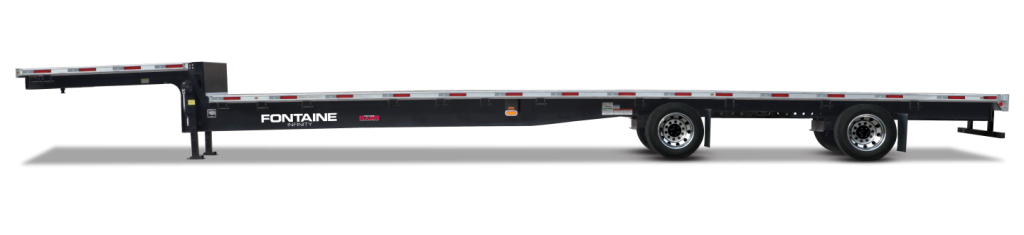
2027 Fontaine 53' Combo Flat - Rear Axle Slide
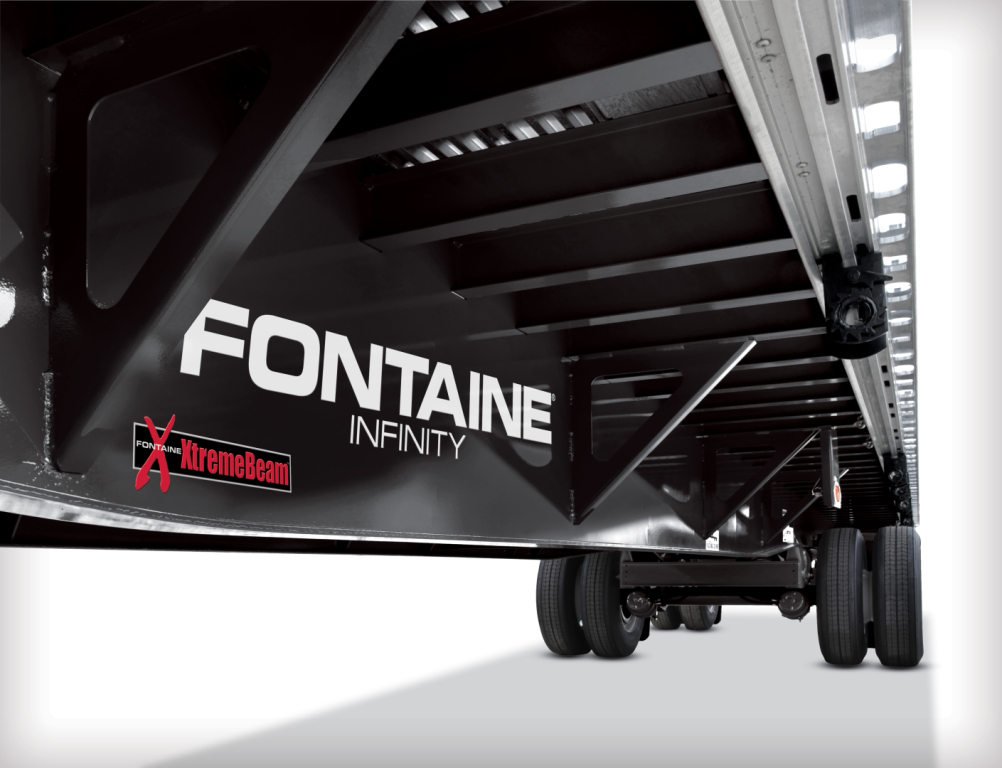
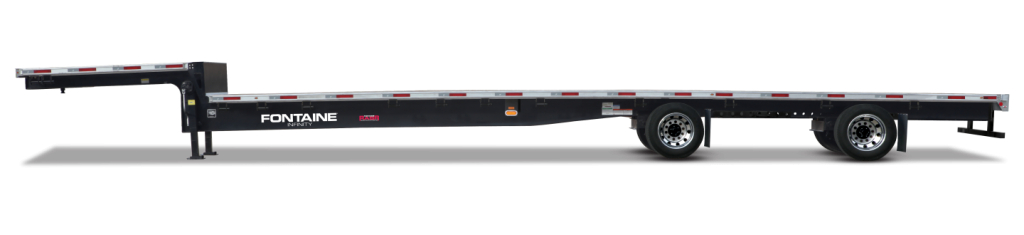
2027 Fontaine 53' Combo Flat - Rear Axle Slide
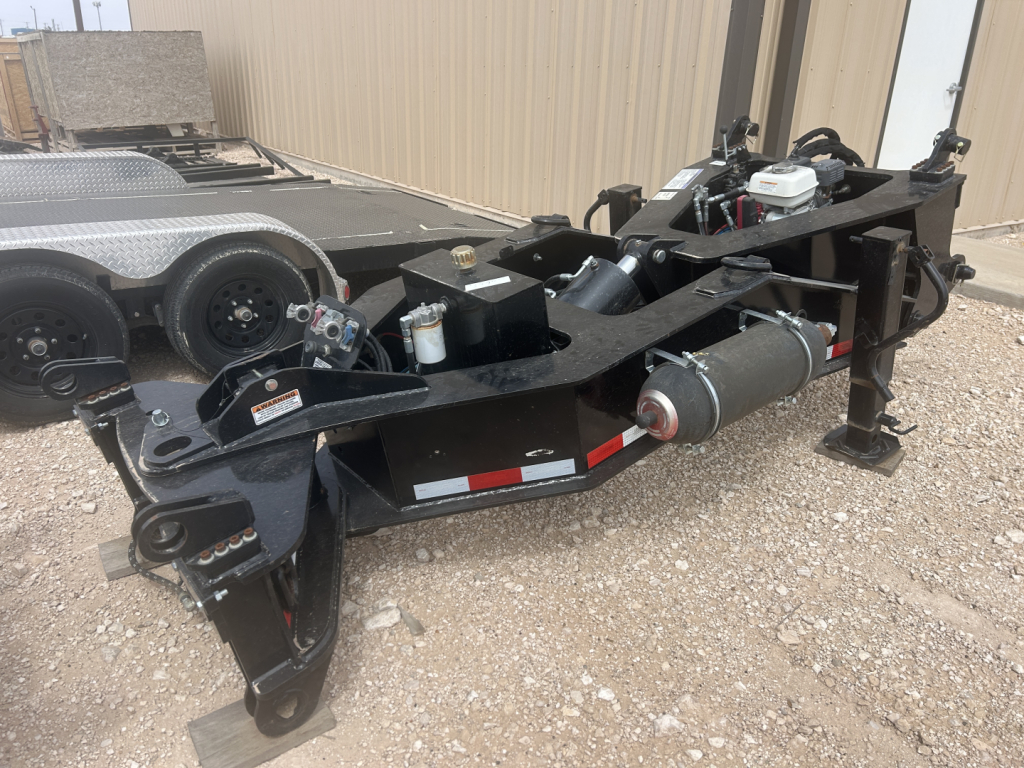
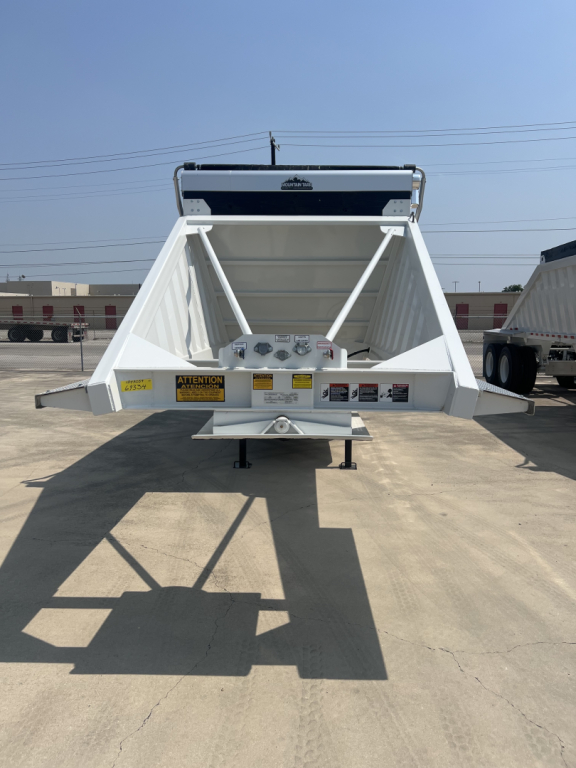
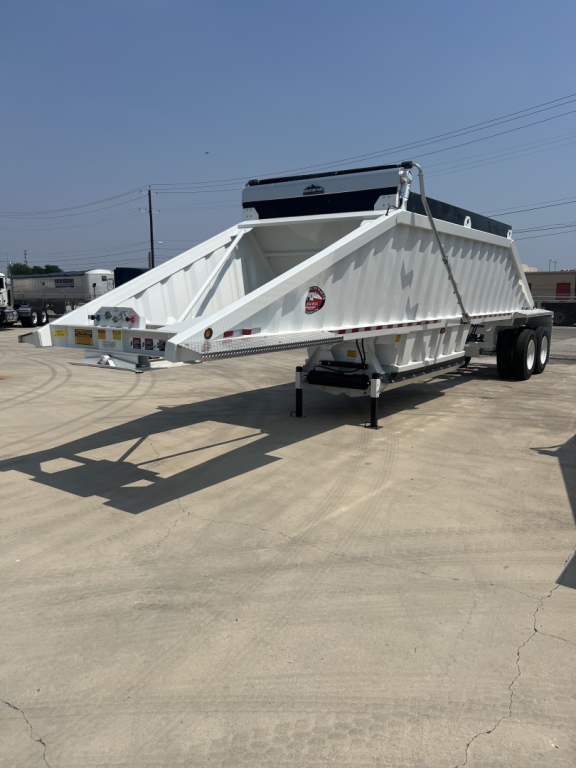
Showing 1 to 28 of 747 results
Selling a new trailer? List your new trailer for sale and reach thousands of commercial buyers.
New Trailers in Alabama
On many new trailer specs, Alabama buyers will see 48-foot and 53-foot lengths, 102-inch overall width, tandem or spread axle layouts, and air ride suspensions. Flatbeds in this market commonly come in all-aluminum, steel, or combination aluminum-steel construction. Aluminum trailers reduce tare weight and help maximize payload, while steel and combo designs can offer a different balance of durability, repair cost, and price point. Important spec details include kingpin setting, axle spread, sliding or fixed suspension, crossmember spacing, frame rating, coil package availability, winch track layout, chain tie spacing, landing gear style, and wheel-end package.
For open-deck work, the build details matter as much as the headline capacity. A buyer comparing new flatbeds and drop decks should pay attention to floor type, nail strips, side rail design, tie-down count, and how the trailer is reinforced in concentrated load areas. Spread axles can improve weight distribution and stability, while sliding tandems may offer more flexibility for bridge law compliance and dock positioning. Air ride suspension is common because it helps protect freight and improves ride quality on mixed Southern road conditions. Features like rear axle dump, widespread axle settings, pop-up chain ties, and integrated coil packages can make a real difference in day-to-day usability.
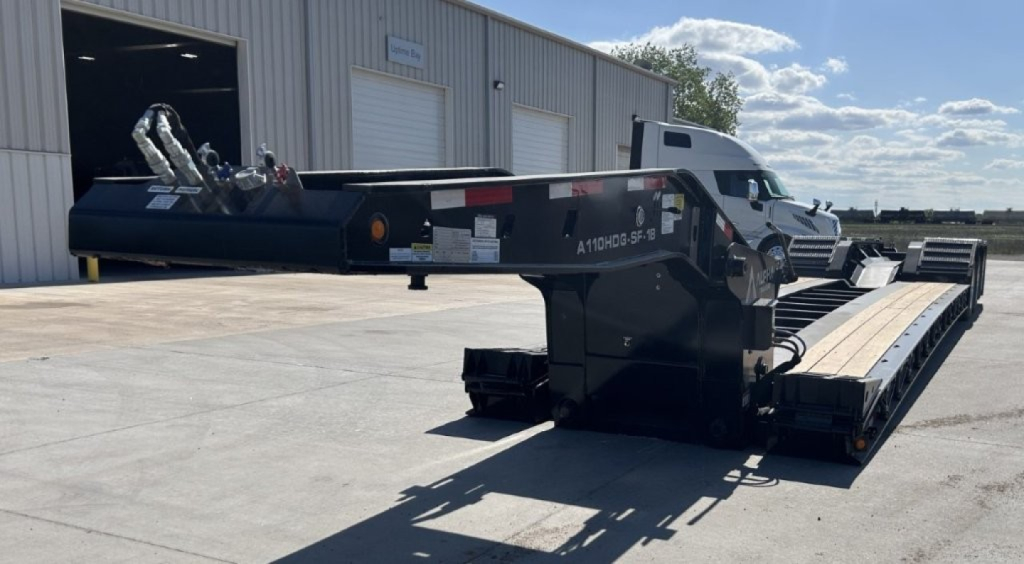
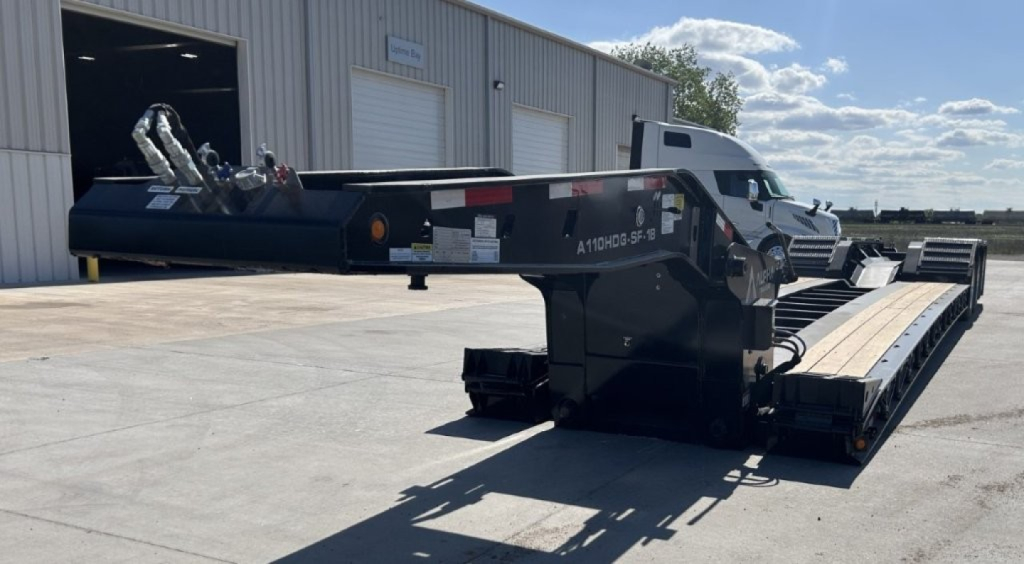
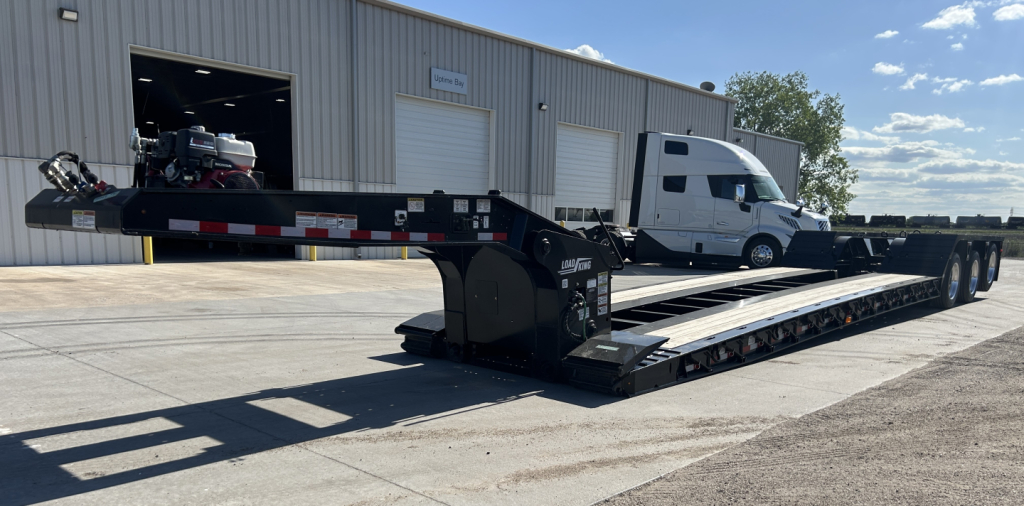
Heavy-haul buyers looking at new lowboys in Alabama should focus on loaded deck height, ground clearance, neck style, swing clearance, rear bogie design, and axle configuration. A 55-ton class lowboy, for example, is built for equipment hauling where deck length, axle spread, and ride height adjustment directly affect what can be moved and how easily it can be loaded. Flip axles, outriggers, covered wheel areas, front ramps, and air lift axles are common considerations depending on the machinery being hauled. For any new trailer purchase, the best fit comes from matching structure, tare weight, and securement package to the actual freight mix rather than buying only on length or brand.
Frequently Asked Questions about New Trailers in Alabama
What is the difference between a flatbed, drop deck, and lowboy trailer?
A flatbed trailer has a full-height straight deck and is used for general open-deck freight such as lumber, steel, pipe, and machinery. A drop deck trailer, also called a step deck, has an upper deck and a lower deck so it can haul taller freight while staying within legal height limits. A lowboy trailer has a very low deck and is designed for heavy equipment and concentrated loads that need lower deck height and higher axle capacity than a standard open-deck trailer.
Is an all-aluminum trailer better than a steel or combo trailer?
An all-aluminum trailer is usually preferred when payload matters most because it reduces tare weight and can improve revenue on weight-sensitive freight. Steel trailers are typically heavier but may appeal to buyers who prioritize a more traditional heavy-duty structure and straightforward repairability in certain applications. Combination trailers use aluminum and steel together to balance weight savings, strength, and cost, so the best choice depends on freight type, operating lanes, and how long the trailer will stay in the fleet.
Why do axle configuration and suspension type matter on a new trailer?
Axle layout affects weight distribution, bridge law flexibility, tire wear, and maneuverability. Spread axles are common on flatbeds because they can improve stability and help distribute weight, while sliding tandems can give operators more flexibility for load placement and legal compliance. Air ride suspension is widely used because it protects cargo better than mechanical suspension, improves ride quality, and is well suited to open-deck freight and equipment transport.
What specs should I look at first when buying a new open-deck trailer?
Start with length, construction type, axle configuration, and tare weight because those four items shape the trailer’s real working capacity. After that, review kingpin setting, crossmember spacing, frame rating, floor type, securement package, and any application-specific options such as coil packages, pop-up chain ties, winch tracks, dunnage storage, or sliding suspension. Buyers hauling machinery or heavier concentrated loads should also verify load ratings in specific deck sections rather than relying only on the gross rating.
What makes a lowboy trailer suitable for heavy equipment hauling?
A lowboy is built around low deck height, strong main beam construction, and axle group capacity that can support concentrated machine weight. Buyers should look closely at loaded deck height, neck design, swing clearance, deck length, rear bogie setup, and available add-ons such as flip axles, outriggers, and front loading ramps. Those specs determine how easily equipment can be loaded, how well the trailer carries weight, and whether the unit matches the dimensions and axle requirements of the machines being moved.