
New 2025 Trailers For Sale in South Dakota
Shop new 2025 trailers in South Dakota, including dry van and refrigerated models with current specs, aero options, and fleet-ready configurations.
Learn morePopular Trailers Categories
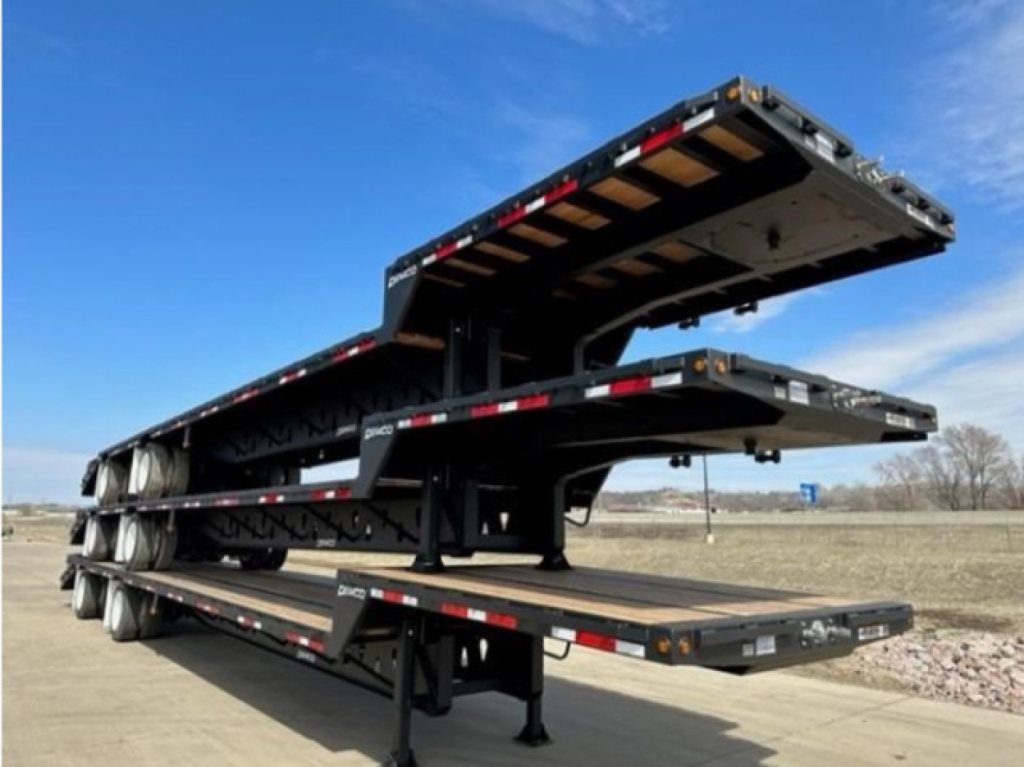
Have new 2025 trailer to sell? List it here to reach thousands of buyers.
About New 2025 Trailers in South Dakota
The spec decisions that matter most usually start with trailer body type, suspension, axle setup, and wheel package. Common new trailer specs include 22.5-inch tires, aluminum wheels, air ride suspension, and sliding tandems for kingpin and axle placement flexibility. On van and reefer trailers, roof construction, floor rating, sidewall durability, rear frame design, and door configuration all affect service life and operating cost. Buyers hauling dock freight often pay close attention to scuff liners, logistic posts, duct floors, and swing door hardware, while heavier freight applications may call for reinforced floors and higher-rated crossmember spacing.
For South Dakota operations, weather and route conditions should influence the build. Cold winters, crosswinds, and long interstate stretches make aerodynamic roof and side treatments, dependable seal integrity, and stable suspension performance more important. Reefer buyers should look closely at insulation thickness, unit brand support, fuel tank capacity, air chute design, and temperature recovery performance during frequent stop-and-go delivery work. Dry van buyers may prioritize cubic capacity, interior width, trailer weight, and corrosion resistance, especially if the trailer will see year-round exposure to snow, road treatment chemicals, and uneven rural approaches.
A new 2025 trailer also tends to bring advantages in warranty coverage, brake and lighting updates, and compatibility with modern fleet standards such as tire inflation systems, telematics prep, and ABS monitoring. The best choice comes down to freight profile, loading method, lane length, and how much flexibility is needed in axle positioning and interior configuration. A buyer comparing new trailers should weigh tare weight against durability, match suspension and tire specs to operating terrain, and confirm that the trailer is built for the dock height, cargo securement, and maintenance intervals the business actually runs.
Frequently Asked Questions
What should I look for when buying a new 2025 trailer in South Dakota?
Start with the freight you haul and the conditions you run. In South Dakota, trailer buyers often need a spec that handles interstate mileage, winter weather, temperature swings, and a mix of rural and urban loading environments. Key items include suspension type, axle spacing, tire size, wheel material, floor rating, corrosion resistance, and trailer weight. For enclosed vans and reefers, roof construction, door seals, and sidewall durability also matter because they directly affect long-term maintenance and cargo protection.
What is the difference between a dry van trailer and a refrigerated trailer?
A dry van trailer is an enclosed trailer designed for general freight that does not require active temperature control. It is commonly used for packaged goods, retail freight, dry food products, and palletized shipments. A refrigerated trailer includes insulated walls and a reefer unit to maintain a controlled temperature for frozen, chilled, or temperature-sensitive cargo. Reefers usually weigh more and cost more to operate, but they are necessary when product quality depends on a stable temperature range.
Are sliding tandems important on a new trailer?
Yes. Sliding tandems give the operator more flexibility in axle placement for bridge law compliance, load distribution, and loading dock maneuverability. They can help balance steer, drive, and trailer axle weights depending on the cargo and kingpin setting. For fleets and owner-operators running multiple states or varying load lengths, sliding tandems are often a practical spec because they make the trailer more adaptable across different lanes and freight types.
Why are 22.5-inch tires, aluminum wheels, and air ride suspension common on new trailers?
These are common because they support a strong balance of durability, ride quality, and operating efficiency. 22.5-inch tires are standard across much of the over-the-road market and are easy to support through normal service networks. Aluminum wheels reduce weight and resist corrosion better than steel, which can help appearance and long-term upkeep. Air ride suspension improves cargo protection and ride stability compared with more basic suspension designs, which is especially valuable for higher-value freight and rougher road conditions.
Do new 2025 trailers offer advantages beyond cosmetic updates?
Yes. A new trailer can offer meaningful improvements in warranty support, component standardization, lighting systems, brake technology, and fleet compatibility. Many new builds are better suited for telematics integration, tire inflation systems, and current maintenance programs. Newer materials and designs can also improve tare weight, seal integrity, and corrosion resistance. For buyers focused on uptime, those changes can matter more than appearance because they affect maintenance intervals, cargo protection, and total operating cost.