
Lowboy Trailers For Sale in New Jersey
Shop lowboy trailers for heavy equipment hauling. Compare deck height, axle setup, capacity, ramp style, and legal dimensions in New Jersey.
Learn moreBrowse Lowboy Trailers by Make
Have lowboy trailer to sell? List it here to reach thousands of buyers.
About Lowboy Trailers in New Jersey
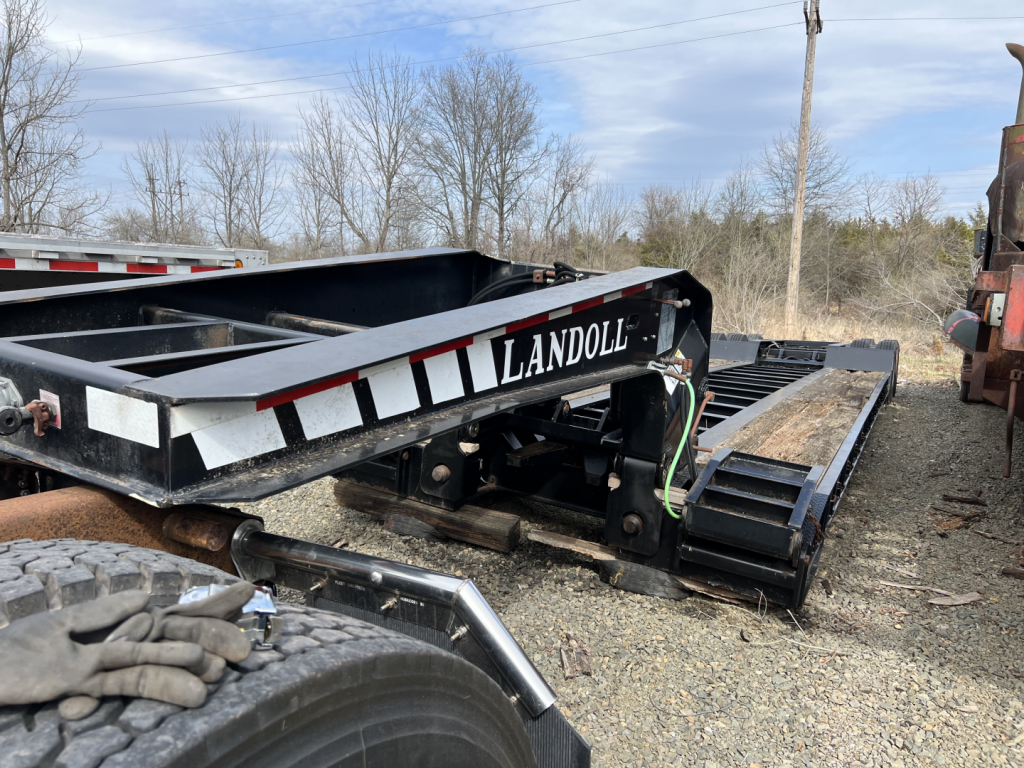
One of the first buying decisions is trailer style. Fixed-neck and detachable gooseneck lowboys each serve a different operation. A detachable gooseneck, often called an RGN in some configurations, speeds loading of tracked equipment because the machine can drive onto the deck from the front. Fixed-neck designs can be simpler and lighter for certain applications. Buyers should compare overall deck length, loaded deck height, neck length, deck width, and whether the trailer has outriggers or deck extensions for wider machines. Apitong wood decking is common because it handles concentrated equipment loads well and is repairable, while features like traction cleats, swing-out outriggers, and heavy-duty ramps can make a major difference in daily use.
Capacity is only part of the axle conversation. A lowboy with tandem axles may suit many compact and mid-size equipment moves, but heavier iron often pushes buyers toward tri-axle, jeep, booster, or specialized axle group setups depending on state regulations and target payloads. Suspension choice also matters. Air ride can help with ride quality and deck height adjustment, while mechanical suspensions remain popular for durability in severe service. Look closely at tire size, brake condition, hub and wheel type, frame condition, crossmember integrity, and signs of deck or neck stress. On used lowboys, worn pivot points, ramp damage, cracked welds, and uneven tire wear usually tell you more than paint ever will.
The best lowboy trailer is the one that fits the equipment mix you actually move and the permitting environment you work in. In New Jersey, buyers often pay close attention to legal width, kingpin setting, axle spacing, and how easily the trailer can be matched to available road tractors. A trailer that is excellent for occasional agricultural equipment may not be ideal for daily commercial construction hauling. If your work includes skid steers, compact excavators, and occasional larger machines, a versatile lowboy with a practical deck length, durable wood floor, and straightforward loading setup can be the better investment than simply chasing the highest published capacity.
Frequently Asked Questions
What is the difference between a lowboy trailer and a regular flatbed trailer?
A lowboy trailer has a much lower deck height than a regular flatbed, which allows taller equipment to be hauled without exceeding legal overall height as quickly. That lower center of gravity also improves stability for heavy machinery. Flatbeds are better suited for palletized freight, building materials, and general cargo, while lowboys are designed primarily for machines with high operating weights and tall profiles.
What equipment is commonly hauled on a lowboy trailer?
Lowboy trailers are commonly used for excavators, bulldozers, wheel loaders, compact track loaders, paving machines, rollers, backhoes, and other construction or agricultural equipment. They are especially useful for tracked machines and equipment with tall cabs, booms, or attachments because the lower deck helps keep the load within height limits. The right trailer depends on machine weight, track width, attachment length, and how often loading and unloading occurs.
How do I choose the right lowboy capacity and axle configuration?
Start with the heaviest machine you plan to haul, then consider attachment weight, fuel, chains, binders, and any future equipment growth. After that, match the trailer to the legal axle requirements and permit environment in the states where it will operate. Tandem axle lowboys can handle many lighter jobs, but heavier construction equipment often requires tri-axle or more specialized configurations to distribute weight properly and stay compliant.
Are detachable gooseneck lowboys better than fixed-neck lowboys?
A detachable gooseneck lowboy is often better for frequent equipment loading because the front of the trailer drops to the ground, letting machines drive directly onto the deck. That can improve safety and save time with tracked equipment. Fixed-neck lowboys can be simpler, lighter, and sometimes less expensive to maintain, so they still make sense for certain fleets and hauling patterns.
What should I inspect on a used lowboy trailer before buying?
Pay close attention to the gooseneck structure, main frame, deck crossmembers, outriggers, suspension components, brakes, tires, and all ramp or neck attachment points. Look for cracked welds, uneven tire wear, bent rails, worn bushings, and decking that shows concentrated load damage. A careful inspection should also confirm axle spacing, VIN plate details, title status, and that any modifications were done correctly for the trailer's intended capacity.