
Atoka Lowboy Trailers For Sale in Oklahoma
Browse Atoka lowboy trailers for sale in Oklahoma. Compare RGN specs, well length, axle setups, frame construction, and heavy-haul features.
Learn more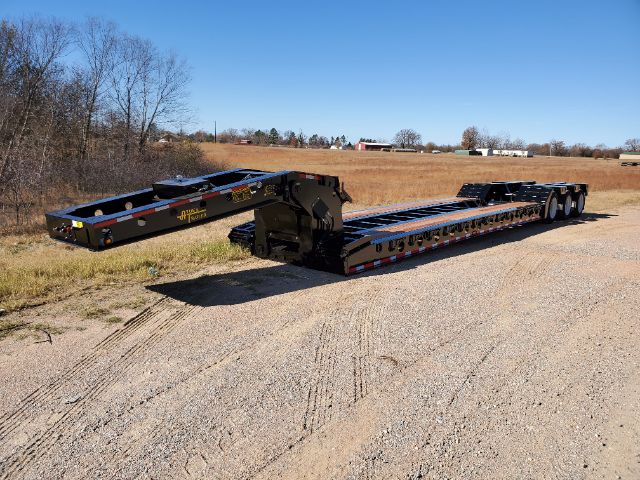
Have atoka lowboy trailer to sell? List it here to reach thousands of buyers.
About Atoka Lowboy Trailers in Oklahoma
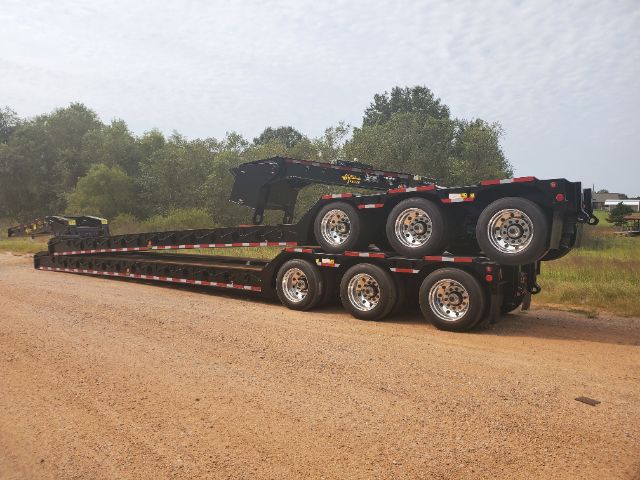
A typical Atoka lowboy in this class may include a 26-foot well, 53-foot overall length, and 102-inch width, which is a common footprint for general heavy equipment transport. Buyers should pay close attention to frame construction and material quality, especially on the main beams, neck area, crossmembers, and axle connection points. Features like a T1 high-tensile steel frame, Apitong wood decking, LED lighting, and a pony motor for hydraulic neck operation are all practical spec points, not cosmetic upgrades. They affect durability, field serviceability, loading speed, and long-term maintenance costs. If a trailer has fourth axle provisions, that can be a major advantage for fleets anticipating heavier loads or changing state permit needs.
The best lowboy spec depends on what is actually being hauled. Excavators, dozers, wheel loaders, and directional drilling support equipment all place weight differently across the deck and axles. A buyer should verify loaded deck height, loaded axle spacing, neck capacity, rear bridge measurement, suspension type, tire size, and ramp or RGN approach angle. It is also worth checking for outriggers, D-rings, tie-down layout, and any reinforcement in high-stress load zones. These details have a direct impact on how easily the trailer handles repetitive loading cycles and how well it matches the fleet's tractors and routing patterns.
Atoka is a recognized name in the heavy-haul trailer market, and buyers comparing these lowboys should focus less on model code alone and more on how each trailer is configured. Two trailers in the same family can serve very different jobs depending on axle count, neck style, deck setup, and capacity rating. For Oklahoma operators, a well-specced lowboy can cover regional construction moves, oilfield support, and cross-state equipment hauling with fewer compromises. The right trailer is the one that balances legal transport, usable deck space, structural integrity, and ease of loading for the machines hauled most often.
Frequently Asked Questions
What is the main advantage of an Atoka lowboy or RGN trailer?
The main advantage is low deck height combined with easier equipment loading. An Atoka lowboy, especially in removable gooseneck form, allows tracked and wheeled machinery to be driven directly onto the deck from the front, which improves loading efficiency and reduces the need for separate ramps. That design is especially useful for heavy equipment that would be difficult or unsafe to load onto a standard deck trailer.
What specs matter most when comparing Atoka lowboy trailers?
The most important specs are rated capacity, well length, overall length, width, axle configuration, neck style, and deck height. Buyers should also look closely at frame material, axle spacing, suspension, decking type, lighting, and whether the trailer has provisions for an additional axle. Those details determine how the trailer will scale, how it will handle concentrated equipment weight, and how adaptable it will be to future hauling needs.
Why do fourth axle provisions matter on a lowboy trailer?
Fourth axle provisions give a buyer more flexibility if load demands increase later. Adding an axle can help distribute weight more effectively, support heavier machines, and improve compliance with bridge laws and permit requirements in certain states. Even if the trailer is not initially equipped with the extra axle, having the provisions in place can reduce future modification costs and downtime.
Is Apitong decking a good choice on a lowboy trailer?
Yes. Apitong is widely used in heavy-haul trailer applications because it holds up well under repeated equipment loading and offers good durability under concentrated weight and track contact. It is a practical decking material for fleets that haul construction and industrial equipment regularly. Buyers should still inspect deck condition, fastener integrity, and wear patterns, especially on used units.
Are Atoka lowboy trailers a good fit for Oklahoma hauling?
They can be a strong fit for Oklahoma operations because the market often includes construction equipment, agricultural machinery, and oilfield-related loads that benefit from low deck height and front-loading capability. The right fit depends on the exact trailer configuration and the machines being hauled. Buyers should compare the trailer's axle setup, bridge dimensions, and capacity against the routes, permits, and load types common in their operation.