
Utility Flatbed Trailers For Sale in Texas
Browse Utility flatbed trailers for sale in Texas. Compare 48x102 specs, combo construction, axle setups, and freight-ready features.
Learn more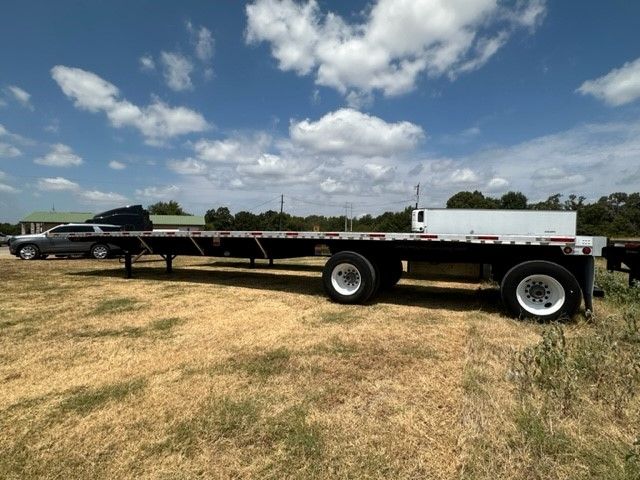
Have utility flatbed trailer to sell? List it here to reach thousands of buyers.
About Utility Flatbed Trailers in Texas
Construction matters on a flatbed because weight, durability, and repair cost all affect profitability. Many Utility trailers in this category use combo construction, typically blending aluminum and steel to reduce empty weight without giving up structural strength where it counts. A lighter trailer can improve payload capacity, but buyers should still inspect the condition of the main beams, crossmembers, flooring, rub rail, stake pockets, and rear frame. On used units, deck wear, tire condition, brake life, suspension type, and signs of impact damage around the landing gear and ICC bumper deserve close attention.
Axle configuration is another key buying decision. Spread axle flatbeds are popular for load distribution and can help with certain weight placements, but they are not ideal for every lane or every shipper yard. A tandem axle setup can be easier in tighter turns and congested delivery points. Tire size, wheel-end spec, brake type, and suspension package all influence long-term operating cost. In Texas service, it is also smart to consider how the trailer has been used, since oilfield freight, steel hauling, and heavy construction materials can create very different wear patterns than lighter dedicated pallet freight.
A good Utility flatbed trailer is less about brand alone and more about matching the trailer spec to the freight mix. Buyers comparing listings should look at overall trailer weight, deck condition, axle spacing, kingpin area integrity, lighting, ABS status, and the presence of useful features like chain tie-downs, sliding winches, toolboxes, and coil package capability. For fleets and owner-operators alike, the right flatbed should be easy to maintain, legal across common routes, and set up to secure freight efficiently without adding unnecessary tare weight.
Frequently Asked Questions
What is the most common Utility flatbed trailer size?
One of the most common Utility flatbed configurations is 48 feet long by 102 inches wide. A 48x102 flatbed fits a wide range of general commodity freight, works with standard load securement practices, and is widely accepted by brokers, shippers, and receivers. That size is especially common for building products, machinery, steel, and palletized freight that does not require enclosure.
What does combo construction mean on a Utility flatbed trailer?
Combo construction usually means the trailer uses both aluminum and steel in different structural areas. The goal is to reduce trailer weight while keeping strength in high-stress components. For a buyer, combo construction can mean better payload potential than a full steel trailer, but condition still matters more than material alone. Inspect welds, frame rails, crossmembers, and deck structure carefully on any used flatbed.
Is a spread axle Utility flatbed better than a tandem axle?
A spread axle flatbed can improve load distribution and may offer advantages with certain freight placements, but it is not automatically better for every operation. Spread axles can be less forgiving in tight turns and crowded yards, while tandems are often easier to maneuver. The better choice depends on your freight, routes, shipper requirements, and how often you run urban delivery points versus open highway freight.
What should I inspect first on a used Utility flatbed trailer?
Start with the structural and wear items that affect safety and operating cost. Check the main frame, crossmembers, flooring, rub rail, stake pockets, landing gear, suspension, brakes, tires, and wheel ends. Then look at the kingpin area, rear frame, lights, ABS system, and any signs of prior overloading or hard impact. Uneven tire wear, damaged deck sections, and repairs around the neck or axle areas can tell you a lot about how the trailer was used.
Are Utility flatbed trailers a good fit for Texas freight?
Utility flatbed trailers are a practical fit for many Texas applications because the state supports heavy movement of steel, pipe, lumber, equipment, construction materials, and oilfield-related freight. The right spec depends on the lanes and commodity mix. Buyers in Texas often prioritize durable deck condition, strong securement points, axle configuration, and a trailer weight that supports legal payload without giving up long-term durability.