
New Utility Flatbed Trailers For Sale in Colorado
Shop new Utility flatbed trailers for sale in Colorado. Compare 48' and 53' specs, combo construction, coil packages, axle setups, and weight.
Learn more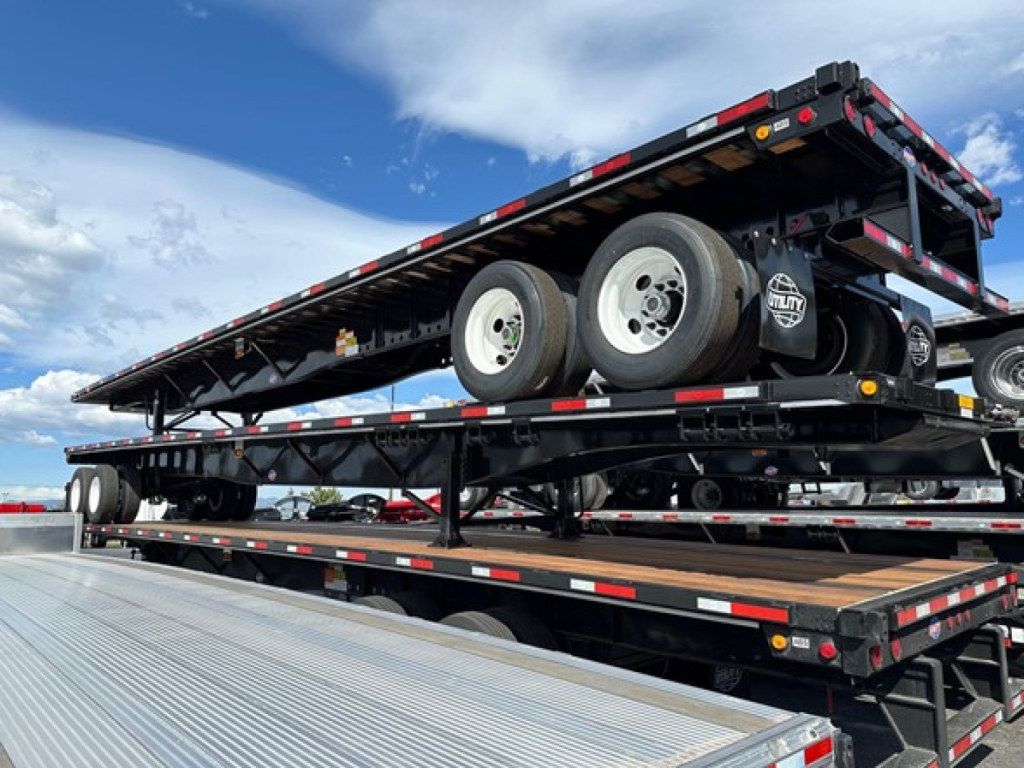
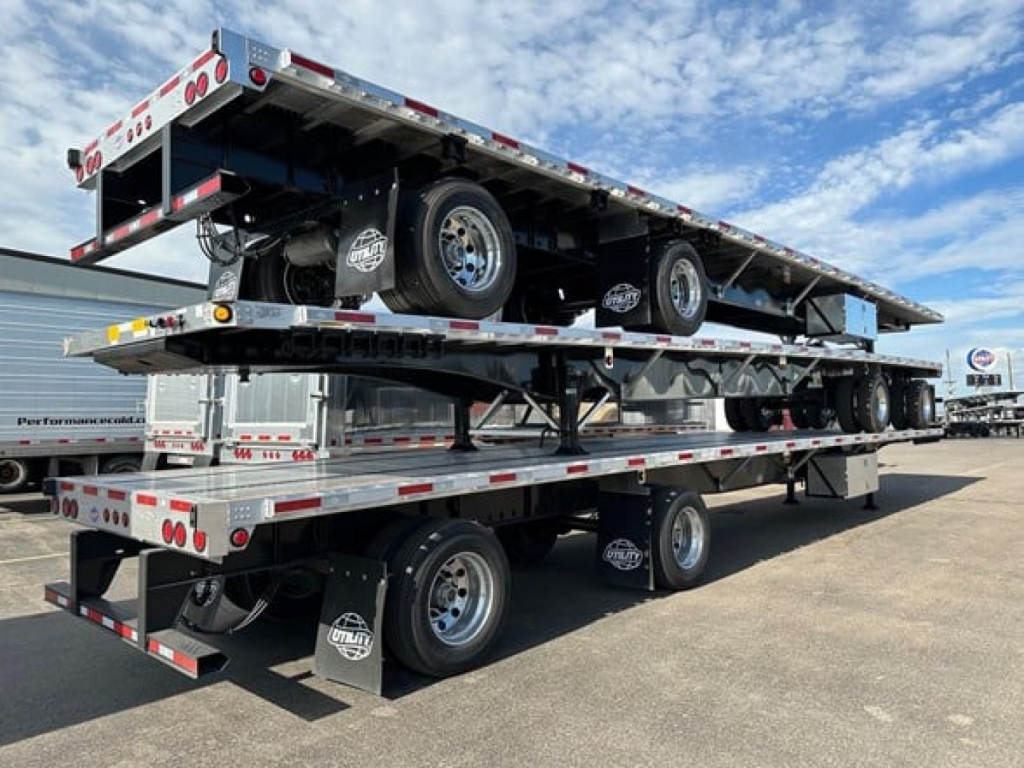
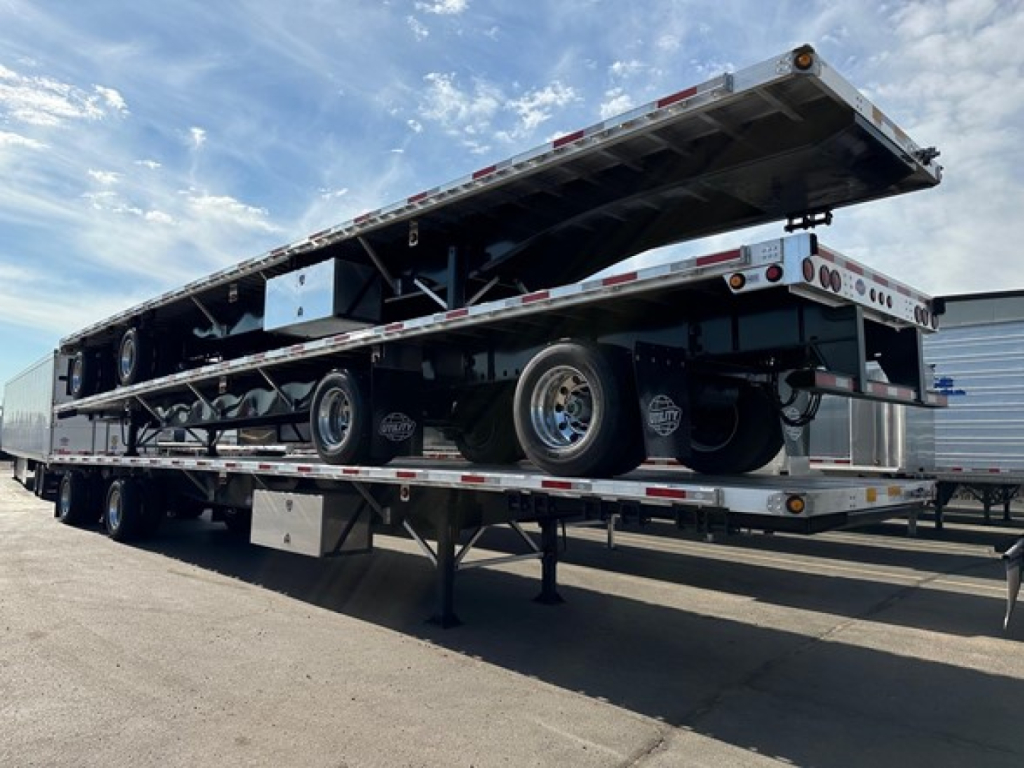
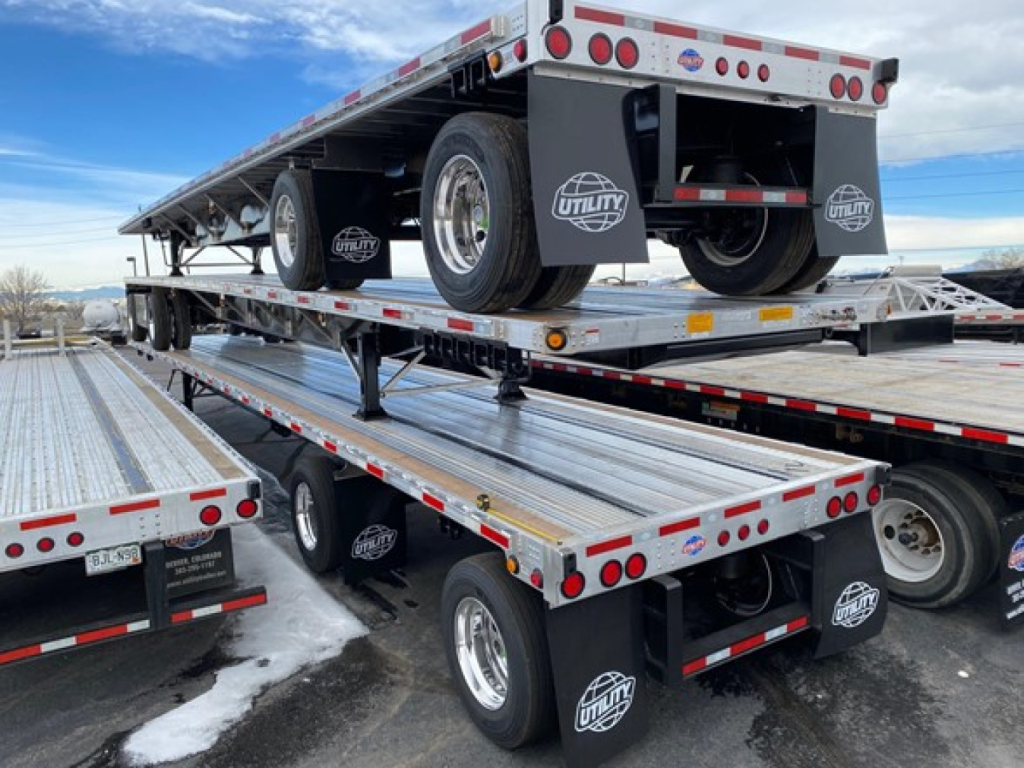
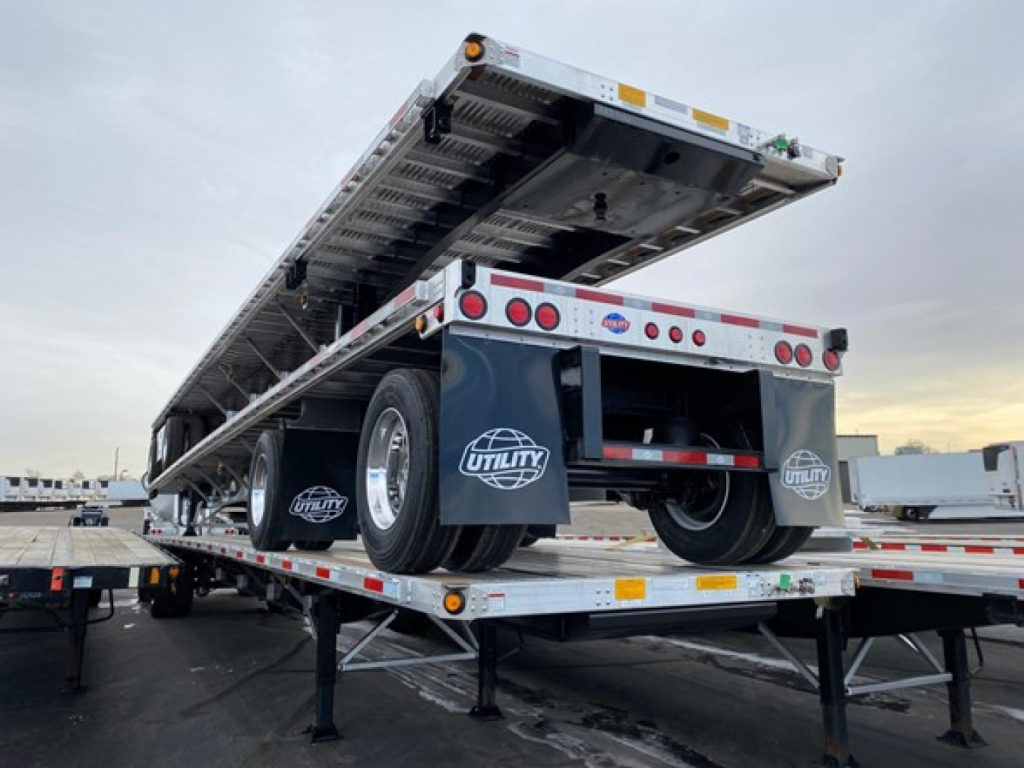
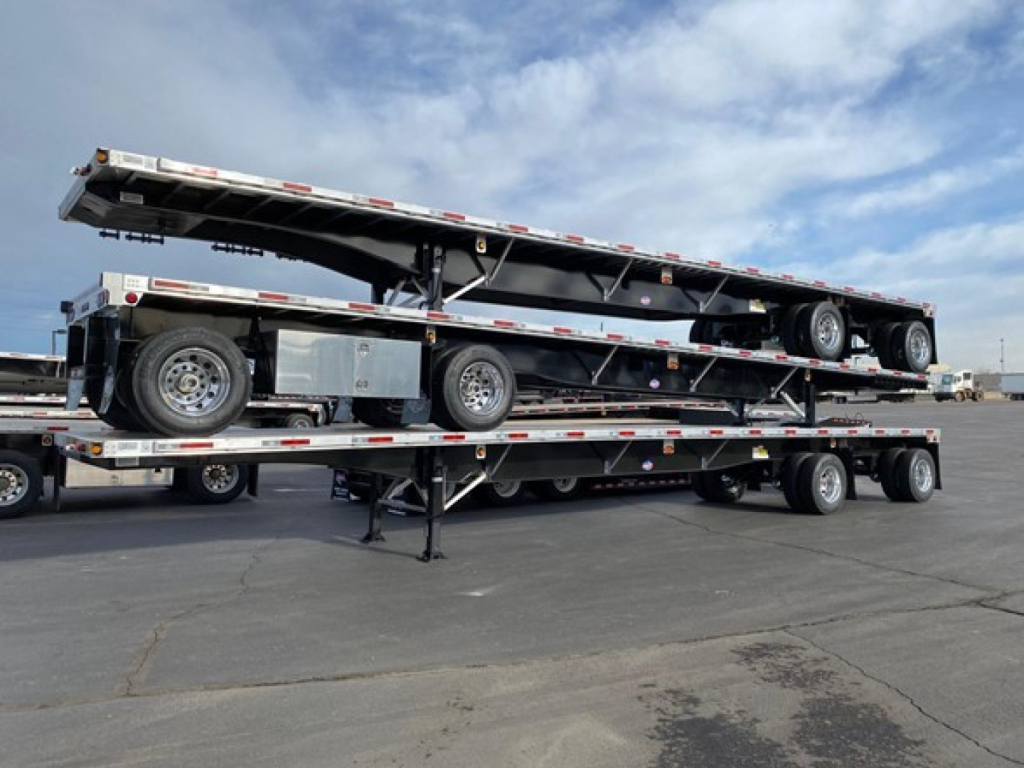
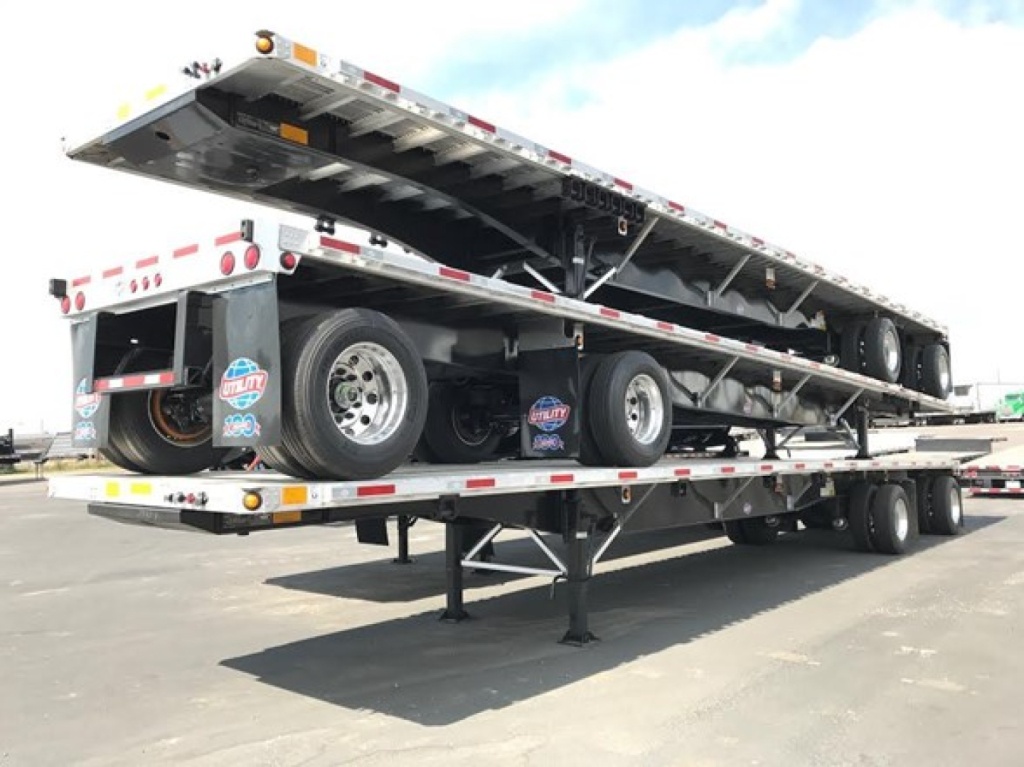
Have new utility flatbed trailer to sell? List it here to reach thousands of buyers.
About New Utility Flatbed Trailers in Colorado
One of the biggest buying decisions is construction type. A steel flatbed typically offers a lower entry cost and a very familiar repair profile, making it attractive for fleets that prioritize ruggedness and easy service. A combo flatbed, often built with steel main beams and aluminum crossmembers, deck, and rails, reduces trailer weight and can improve payload without giving up the structural backbone many operators want. Common deck configurations include apitong wood floors or aluminum flooring with nail strips, depending on the freight mix and how often chains, tarps, and forklifts will be used. If steel coils are part of the work, a 47,000-lb coil package is a key spec to verify, along with coil well configuration, crossmember design, and securement hardware placement.
Axle arrangement affects both legality and day-to-day versatility. Closed tandem sliders remain a dependable setup for broad freight applications and simpler docking, while spread air ride configurations can improve weight distribution and ride quality for certain loads. Some buyers will specifically look for rear slide axles or California-legal 53-foot combinations if they run multi-state lanes with length and bridge-law considerations. Air ride suspension is common on higher-spec flatbeds because it helps protect cargo and reduces shock through the deck, and options such as dump valves can make loading docks and axle transitions more manageable. Tire size, wheel material, and slider style also deserve attention because they influence maintenance cost, unloaded weight, and serviceability over the life of the trailer.
Securement and daily usability should be evaluated as closely as the frame. Sliding winches, full or partial winch track, stake pockets, pipe spools, tool boxes, and rub rail design all affect how quickly a driver can build a legal securement pattern. Low-profile 22.5 tires are common on these trailers and can help with deck height management, which matters when hauling taller freight through western routes. Buyers comparing new Utility flatbed trailers should look closely at empty weight, axle spacing, deck material, coil package rating, and how the trailer is configured for the freight they actually haul most often. A lighter combo trailer can add revenue on payload-sensitive lanes, while a heavier steel spec may be the better long-term choice for harsher loading environments and repeated concentrated loads.
Frequently Asked Questions
What is the difference between a Utility steel flatbed and a Utility combo flatbed?
A steel flatbed is built primarily with steel structural components and is typically chosen for durability, lower upfront cost, and familiar repair practices. A combo flatbed usually keeps steel main beams but uses aluminum crossmembers, deck, and rails to cut tare weight. That weight savings can improve payload capacity, which matters on dense freight. The tradeoff is that buyers should match the deck and rail construction to their loading environment, forklift traffic, and expected abuse level.
Is a 48-foot or 53-foot Utility flatbed better for Colorado freight?
It depends on the freight mix and routing. A 48-foot flatbed is often simpler for regional work, tighter delivery points, and certain commodity lanes. A 53-foot flatbed gives more deck space for longer freight, mixed shipments, and higher-volume lanes, but state length rules, bridge law, and axle placement become more important. In Colorado, where loads can range from construction material to machinery and steel, the right answer usually comes down to how often full deck length is needed and where the trailer will run outside the state.
Why is a coil package important on a flatbed trailer?
A coil package indicates the trailer is reinforced and configured for concentrated heavy loads such as steel coils. Buyers should verify the coil rating, commonly around 47,000 lbs on this class of trailer, because coil freight places very different stress on the structure than evenly distributed cargo. Even if a trailer has a strong overall GVWR, the coil package, securement layout, and deck design determine whether it is truly suited for repeated coil hauling.
What axle setup should I look for on a new Utility flatbed trailer?
A tandem slider is the most versatile choice for many fleets because it helps with axle weight adjustment across different loads and jurisdictions. A spread axle setup can provide stability and favorable weight distribution for some applications, but it may be less flexible in tight turns and certain dock situations. Air ride suspension is generally preferred for cargo protection and ride quality. Buyers should compare axle spread, slider travel, suspension type, and any dump valve or rear slide features against the freight they haul most often.
What securement features matter most on a flatbed trailer?
The most useful securement features are the ones that match your cargo and loading style. Stake pockets, sliding winches, winch track on both sides, double pipe spools, nail strips, and a practical rub rail setup all improve flexibility in the field. If drivers regularly haul lumber, machinery, steel, or palletized freight, the spacing and accessibility of these components can save time and make legal securement easier. A good flatbed spec is not just about deck length and weight. It is about how efficiently the trailer handles chains, straps, tarps, and changing load patterns.